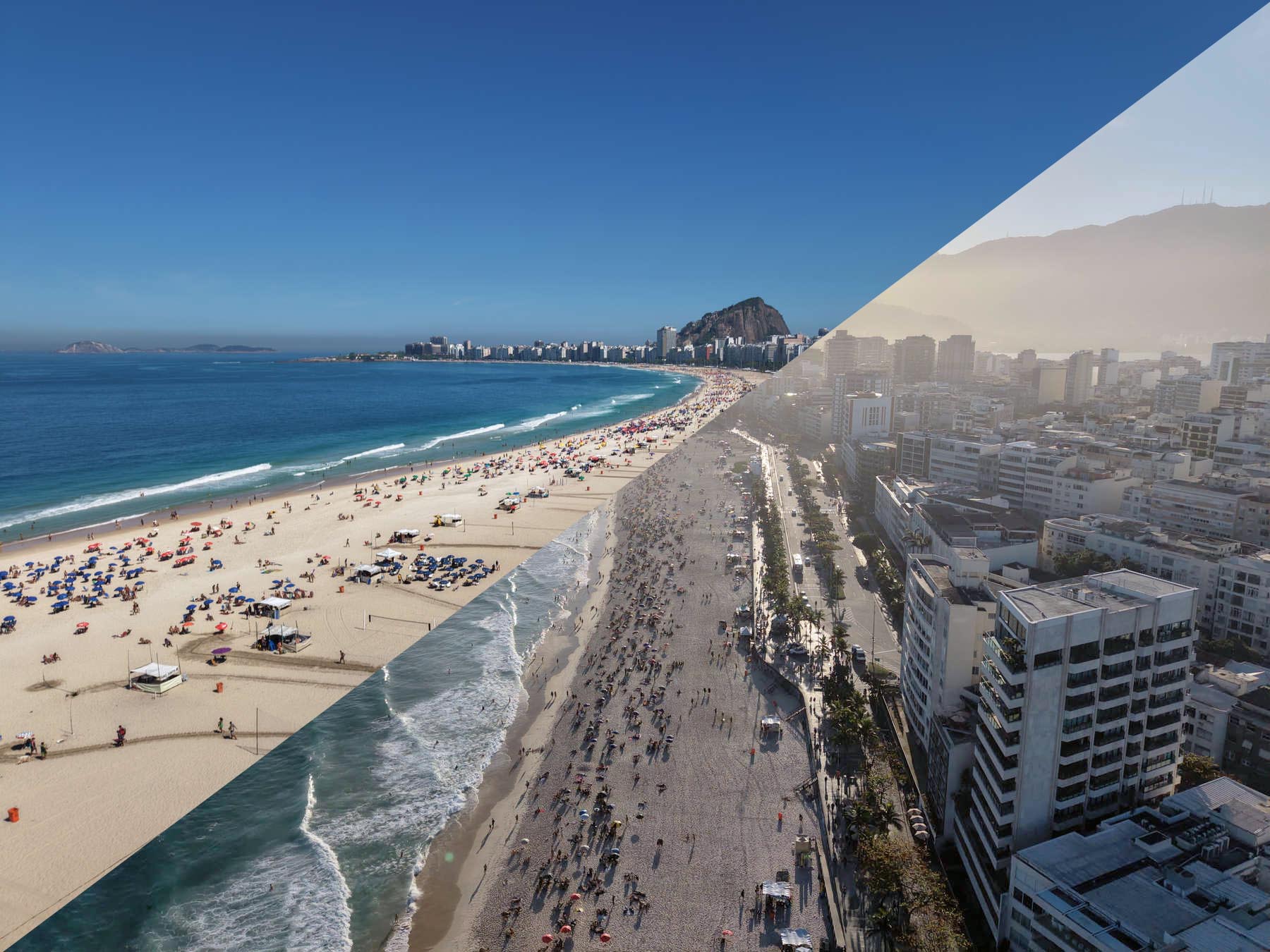
On a map, Copacabana and Ipanema look almost like one continuous strip of sand. In practice, they offer two different beach experiences: the waves, the crowds in each section, the range of services, and the walk from the metro all vary. Here is how to choose if your time in Rio is limited.
One coastline on the map, two different beach experiences
A first-time visitor looking at a map of Rio sees an almost unbroken coastline from Leme to Leblon and might assume that choosing between Copacabana and Ipanema is simply a matter of taste, like picking between two similar cafés. On the ground, the differences are clearer. Copacabana is longer and more tourist-oriented. Ipanema is more compact, its different sections have stronger identities, and it often feels more like a beach for locals.
The key is not to choose solely by the neighborhood's name. The stretch of beach, the sea conditions that day, and the distance from your hotel to your chosen lifeguard post matter more than either beach's overall reputation.
Geography and sea conditions
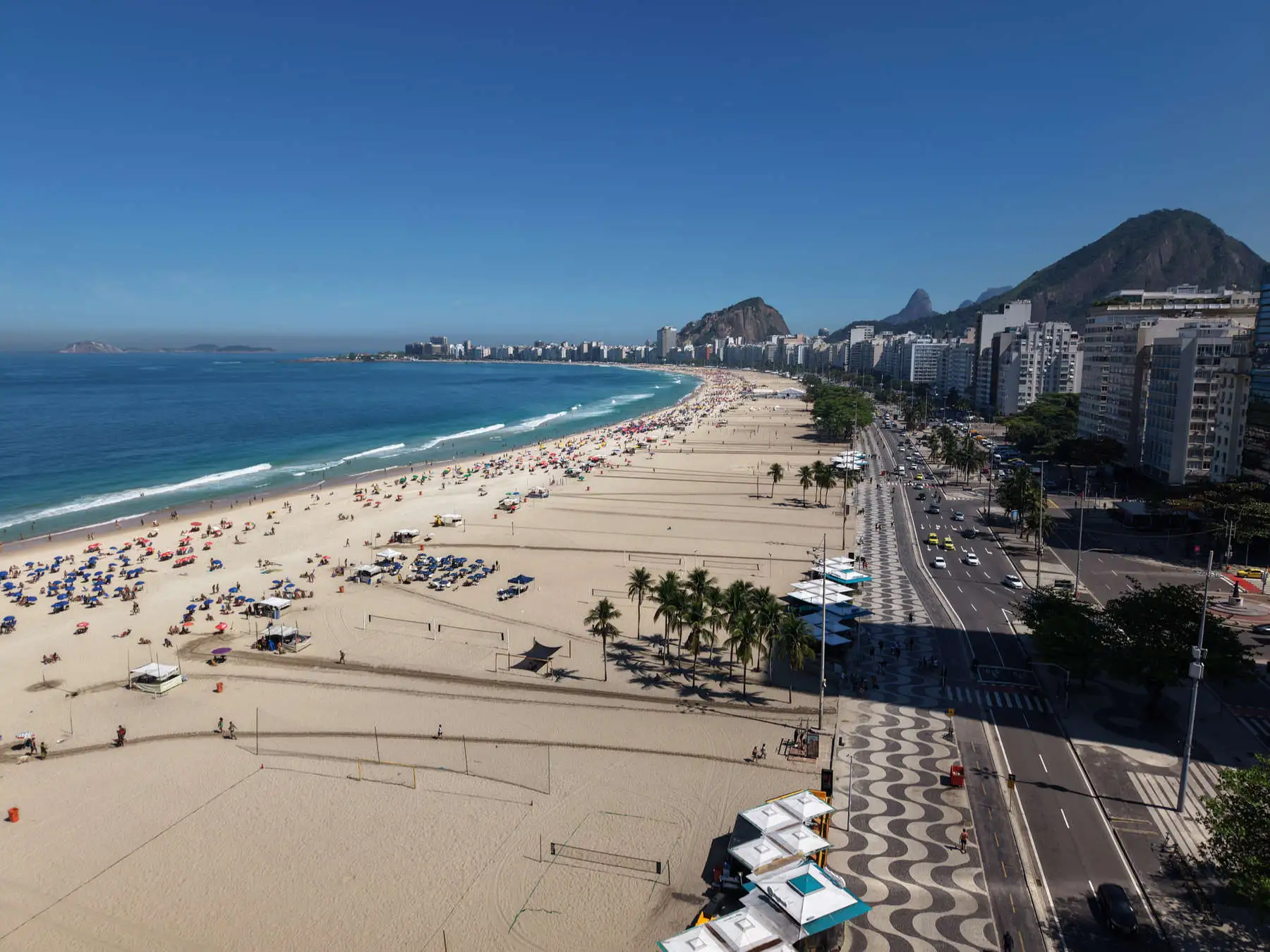
Copacabana stretches for almost 4 km from Leme to Copacabana Fort. It is an ocean beach, not a beach inside Guanabara Bay. At its southern end, near Posto 6 and the fort, the water can be more suitable for swimming and stand-up paddleboarding on a calm day. There are no guarantees, though: waves and currents change with the wind and swell.
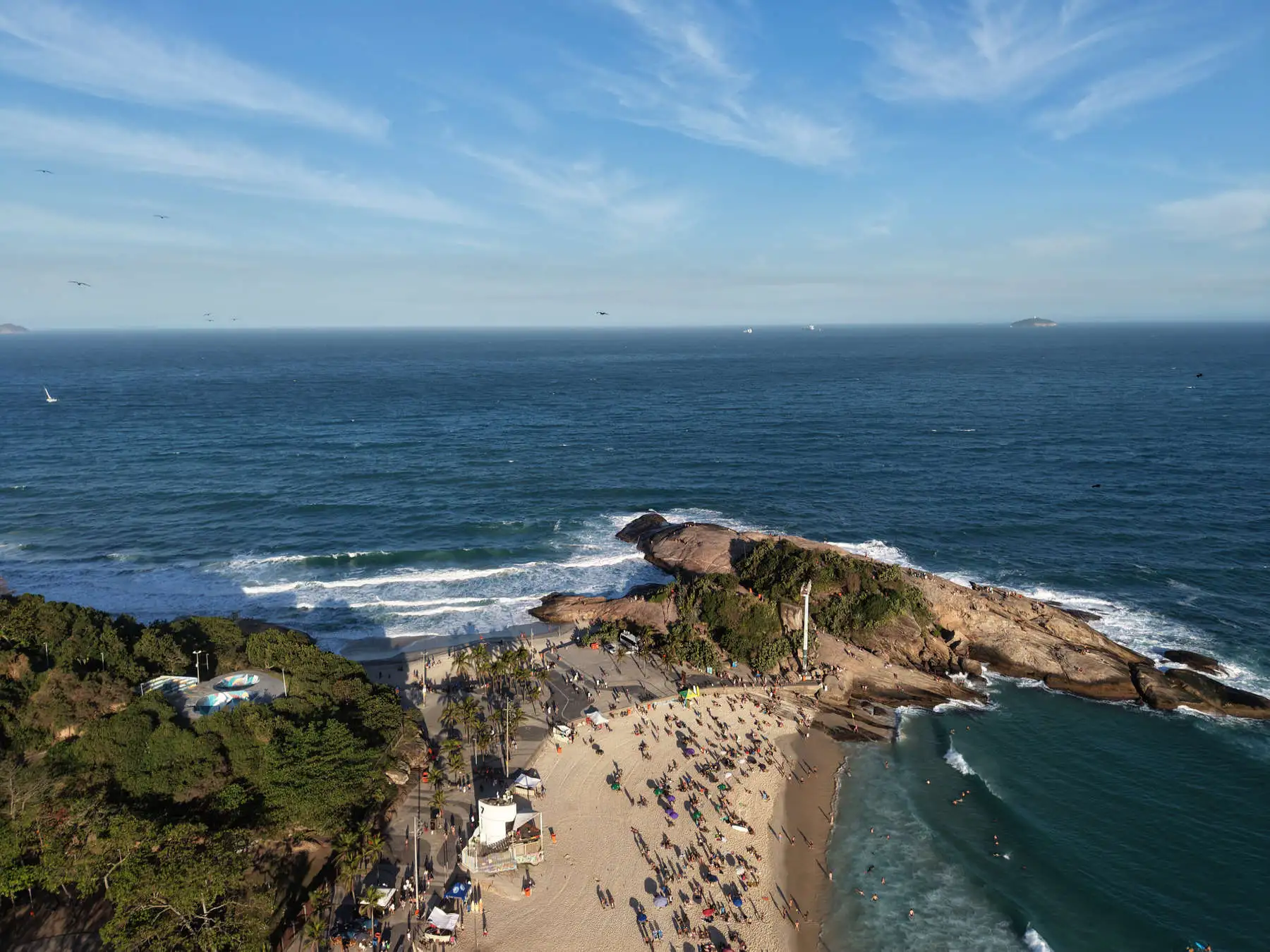
Ipanema faces the open ocean. Strong waves are more common here, and Arpoador is particularly well known for surfing. That does not mean “Copacabana is calm, Ipanema is dangerous.” One day, swimming may be comfortable at both; on another, lifeguards may restrict access to the water in particular sections.
Follow the flags and the instructions of the guarda-vidas, or lifeguards. A yellow flag means extra caution; red signals high risk, and it is best to stay out of the water near a red flag. Rio's lifeguards specifically warn that red flags also mark areas with rip currents. If you are unsure, ask a lifeguard before swimming.
Lifeguard posts: which stretch to choose
Rio's beaches are marked by numbered lifeguard posts, called postos. For visitors, these can be more useful than street names: a post number helps you arrange a meeting, choose a taxi pickup point, and understand the character of each stretch.
Copacabana
| Stretch | What to expect | Best for |
|---|---|---|
| Leme and Posto 1 | Less passing tourist traffic and a quieter atmosphere; usually a longer walk to the metro | Anyone seeking less bustle and willing to trade some transport convenience for it |
| Postos 2–3 | Classic central Copacabana, with plenty of hotels, kiosks, and people | First-time visitors and anyone who wants services close by |
| Postos 4–5 | A broad stretch of sand, easily reached from the central and southern parts of the neighborhood | Combining the beach, metro access, and a walk along the full promenade |
| Posto 6 | Near the fort and the route to Arpoador; popular for stand-up paddleboarding in calm weather | A short swim followed by a walk to Ipanema, provided the flags and waves allow it |
Ipanema
| Stretch | What to expect | Best for |
|---|---|---|
| Posto 7 and Arpoador | Surfing, views, and sunset; it quickly gets busy in good weather | Surfers and anyone wanting to end the day on Arpoador Rock |
| Posto 8, Farme de Amoedo | The beach's most visible LGBT section, lively and welcoming | Socializing, an open atmosphere, and a busy beach |
| Posto 9 | Young crowds, sports, and one of Ipanema's busiest social scenes | Atmosphere rather than solitude |
| Posto 10 | Closer to Leblon, with more space in some sections, but still exposed to the open ocean | Families and anyone looking for a quieter stretch of Ipanema, without assuming the water will be calm |

On your first visit to Ipanema, walk from Arpoador to Posto 10. There is no need to rush: stop at two or three sections and see where you feel most comfortable.
Beach services: what are barracas and quiosques?
You will hear two words at the beach that are easy to confuse. A barraca is a stand on the sand where you can rent a chair and umbrella and buy water, coconuts, mate tea, and simple snacks. A quiosque is an open-air café on the promenade with tables. Some serve only drinks and snacks; others are closer to small restaurants.
At Copacabana, these places line the long promenade, so it is easier to find water, food, and shade without heading back into the neighborhood. Ipanema also has plenty of services, but they are less continuous. There is little point choosing your beach for its fashionable restaurants: plan a proper lunch separately from your swim.
Chair and umbrella prices are negotiable at both beaches. Before settling in, agree on the price and exactly what it covers: just a cadeira (chair), a set with a small table, or a cadeira plus guarda-sol (umbrella).
The metro: which station for which post?
You do not need to memorize station names separately from your route. Choose your stretch of beach first, then save the relevant metro station on your map.
- Leme and Copacabana Postos 2–3 — Cardeal Arcoverde;
- Copacabana Postos 3–4 — Siqueira Campos;
- Copacabana Postos 5–6 — Cantagalo;
- Arpoador and Ipanema Posto 8 — General Osório;
- Posto 9 and central Ipanema — Nossa Senhora da Paz;
- Posto 10 and the border with Leblon — Jardim de Alah.
None of the stations opens directly onto the sand. Depending on the exit and the post you choose, allow around 7–15 minutes on foot. Before traveling, it is worth checking your route against the official MetrôRio station list.
How to walk from Copacabana to Ipanema
There is no direct path “over Arpoador Rock” between the beaches. From Posto 6, walk around Copacabana Fort using the streets toward Rua Francisco Otaviano, then head down to Arpoador Beach and the beginning of Ipanema. From the end of one stretch of sand to the other, allow around 15–20 minutes without stops.
Pedra do Arpoador itself is a separate climb to a viewpoint. It is worth visiting for the views and sunset, but you do not need to climb it to walk between the beaches.
A quick note on safety
Both beaches are in Rio's South Zone, but being on a tourist street does not remove the city's everyday risks. Take as little as possible onto the sand, do not leave your phone on top of your towel, and avoid standing with it at the water's edge. Leave your identification document, a spare payment card, and large amounts of cash at your hotel.
In the evening, return along the well-lit promenade or book a car to a specific kiosk or hotel. For more practical situations, see our 10 Rio Safety Rules That Actually Work. If you are choosing where to stay rather than a beach for the day, read our separate guide to neighborhoods, transport, and safety.
Which beach suits you?
- A short first trip and a classic Rio setting — Copacabana, with its long promenade, wider choice of accommodation, and convenient services.
- Sunset, people, and atmosphere — Ipanema, finishing the day at Arpoador.
- Surfing — Arpoador; beginners are better off going with an instructor than choosing a wave on their own.
- LGBT travelers — Posto 8 in Ipanema, around Farme de Amoedo.
- Fewer crowds — Leme or Posto 10 on a weekday morning. Posto 9 is not the right choice for this.
- Families with children — choose a stretch near lifeguards on a day with safe sea conditions, rather than relying on a “family-friendly post.” Posto 6 is often convenient, but make the decision based on the flags when you arrive.
- A tighter accommodation budget — Copacabana has a wider choice of hotels and apartments, although individual prices depend on your dates.
How to see both beaches in one day
If you have one day for the beaches, you do not have to choose. Start in the morning at the southern end of Copacabana, near Posto 5 or 6. After swimming, walk around the fort via Rua Francisco Otaviano, reach Arpoador, and continue along Ipanema to Posto 9 or 10.
Return to Pedra do Arpoador for sunset. The sun sets toward Dois Irmãos, and people gathered on the rock often applaud the last rays. On weekends, arrive early: a good spot with a clear view disappears faster than the daylight.
Which should you choose?
Copacabana is the more convenient all-round choice for a first visit: it is longer, has more services along the seafront, and offers more ways to reach it from the metro. Ipanema is more appealing if you are looking for a particular crowd, surfing, a walk toward Leblon, or sunset at Arpoador.
But the condition of the ocean matters more than the beach's name. Check the waves and flags in the morning, choose a section with lifeguards, and then decide where to swim. If you want to see both beaches, the route from Posto 6 to Arpoador connects them without a taxi or an imaginary shortcut across the rocks.