
Rio presents two very different kinds of risk. One is opportunistic theft: someone removes a wallet from your back pocket while you are watching the sunset. The other is a direct threat: someone approaches and demands your belongings. The correct response is almost the opposite in each situation, yet much of the advice online treats them as the same problem. These ten rules cover what to do before, during, and after both.
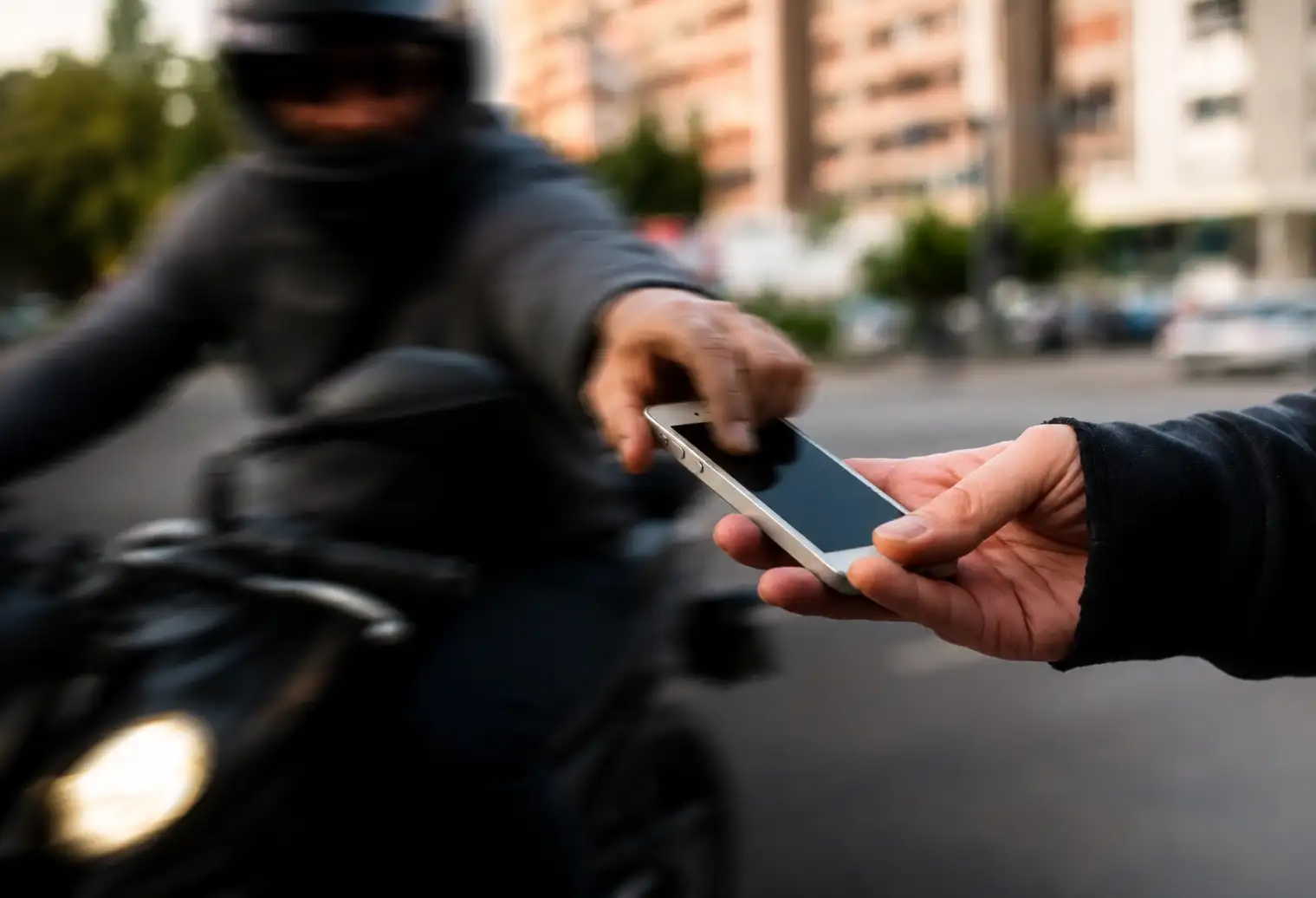
1. A phone in your hand is the easiest thing to lose
A common scenario takes less than a second. A visitor stands near the curb waiting for a ride or walks along the pavement while looking at a phone. A motorcycle passes, one hand reaches out, and the phone is gone before there is time to react.
When you need your phone outside, hold it with both hands and stay away from the edge of the pavement. Avoid standing in the middle of a walkway with an unlocked phone. Step into a café or shop, or stand with your back to a wall, before checking a route or answering messages.
2. Take local warnings seriously
In Rio, a passerby may tell you to put away your phone or camera. Do not take this as rudeness or dismiss it. If someone who does not know you takes the time to warn you, they have probably seen what happens to distracted visitors on that street.
3. Use the right pockets and carry bags deliberately
Do not keep a phone, wallet, or documents in a back trouser pocket or the outer pocket of a backpack. Those are the first places a pickpocket can reach in a crowd. Carry a backpack in front of you in a packed metro carriage or busy event. Keep cards and cash in zipped inner pockets rather than open tote bags or beach bags.
Metro doors create a specific opportunity. A phone can be grabbed just as the doors are about to close: the thief steps out and the passenger remains inside. Put the phone away before the train reaches the station.
4. Do not leave belongings unattended on the beach
A bag can disappear while you are in the water, even if you swim for only 10–15 minutes. When traveling with another person, take turns watching your things. When alone, bring as little as possible: no jewelry, no unnecessary cards or documents, and only the cash you expect to use that day.
5. At night, choose activity and lighting over the shortest route
After dark, plan a route around lighting and the number of people nearby rather than distance alone. The beachfront in Copacabana and Ipanema usually has pedestrians late into the evening. A deserted side street is not worth using simply because it saves five minutes.
Warning signs that a route may not be a good place to walk include:
- there are no pedestrians at all;
- windows have bars, fences have razor wire, and entrances have armed security—evidence that people who live there also take the area seriously;
- a nearby shopkeeper or passerby hesitates or discourages you when asked whether the route is suitable for walking.
6. Use taxis and ride-hailing carefully
If you take a car from the street rather than through an app, photograph the licence plate before entering. It helps if you leave something in the vehicle and makes it clear that the car has been identified. During the ride, do not hold your phone beside an open window. In slow traffic, a pedestrian or motorcycle passenger can reach inside.
For more detail, see our guide to taxis and Uber in Rio.

7. Watch food, drinks, and unfamiliar company
Do not accept an already opened drink or food from a stranger in a bar or club. This is standard nightlife safety in any large city. If you leave a drink unattended, even briefly, replace it rather than continuing to drink it.
8. When there is a direct threat, hand over the property
This is a different situation from preventing pickpocketing. If someone demands your belongings, do not argue, run, or make sudden movements. Show that you are not resisting. Trying to negotiate or escape can turn the loss of a wallet into a physical injury.
If your passport is inside the bag or wallet and you can remove it without creating risk, do so. If not, let the document go. A passport can be replaced; your safety cannot.
9. After a phone theft, protect your accounts
The loss may not end with the device. A person holding an unlocked phone can request an email password reset, intercept verification codes, and then reach messaging and banking apps within minutes.
Reduce that risk before the trip:
- add a separate Face ID, biometric check, or passcode to email and messaging apps rather than relying only on the phone’s main lock;
- do not keep passport or bank-card photos in an ordinary gallery or unprotected notes—move them into protected storage;
- after a theft, use another device as soon as possible to change your email password and the passwords of important connected services.
10. Know where to report a theft or robbery
Rio has a police station dedicated to visitors: Delegacia Especial de Apoio ao Turismo (DEAT) in Leblon. File a police report there after theft or robbery. The document may be required for an insurance claim or when replacing travel documents through a consulate.
The practical takeaway
Distraction and direct robbery require different responses. Prevent opportunistic theft by controlling where you use your phone, how you carry valuables, and which routes you choose. If someone directly threatens you, do not fight over property. Prepare your digital security before the trip, keep beach belongings under supervision, and choose a well-lit active route at night even when it takes longer.