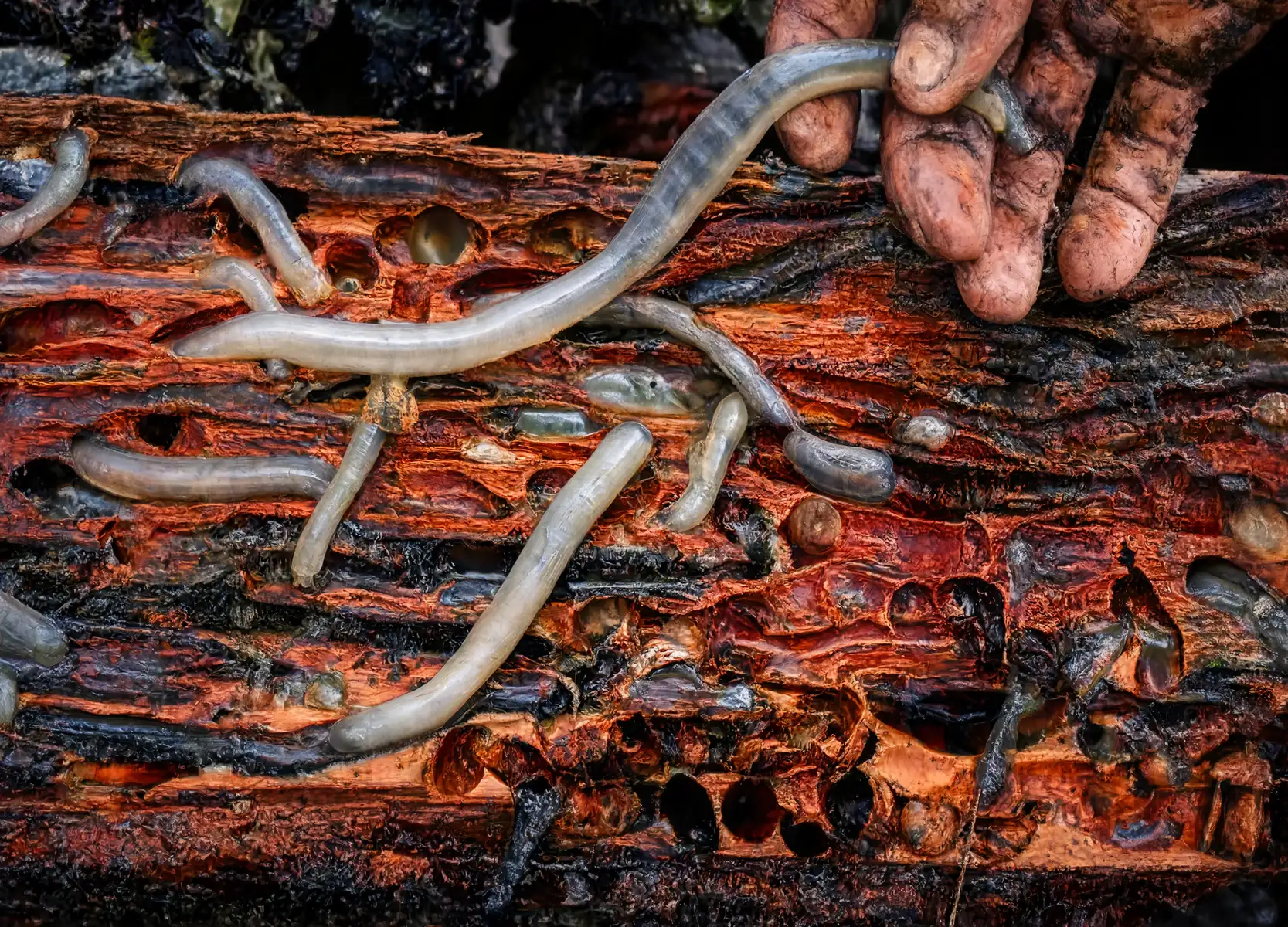
Brazil has a delicacy that can spark curiosity, surprise, and the urge to push the plate away—all at once. Turu is a mollusk that lives inside rotting wood in mangrove forests and is still considered an edible seafood specialty.
What turu is, and why it is called a “sea termite”
Turu does not look like familiar shellfish. It has a long, white, slippery body that resembles a worm more than a clam. For many people, the first encounter produces mistrust rather than appetite. In the Amazon, though—especially in the state of Pará and on Marajó Island—turu is well known and valued.
It is also called a “sea termite,” teredo, or gusano. The nickname is not accidental: the mollusk lives in tree trunks, rotting timber, and even wooden boats. It belongs to the teredinid family—bivalve mollusks, even though turu looks more like a long white worm.
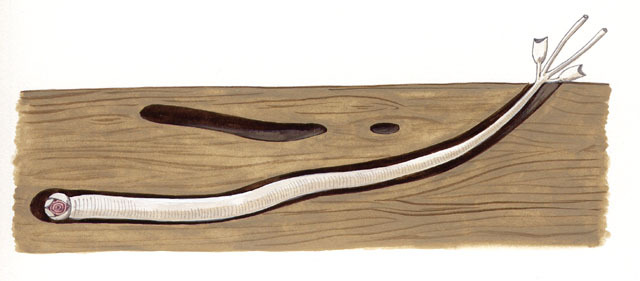
Turu has a hard section with “shells” that carry ridged teeth. Those teeth let it bore tunnels through wood, as if a drill had been taken to the timber.
Where it lives and how it is harvested
Turu is most common where mangrove forests grow. In Brazil that means Pará above all—including Marajó Island—as well as neighboring Amapá and Maranhão. The mollusks cut tunnels in trunks and fallen trees in the mangroves and form colonies there.
People harvest turu at low tide, when the mangrove wood is exposed and easier to reach. Coastal and island communities traditionally do this work. The harvest has its own logic: choose wood at the right stage of decay and remove the mollusk carefully so it is not damaged.
What turu tastes like, and how it is eaten
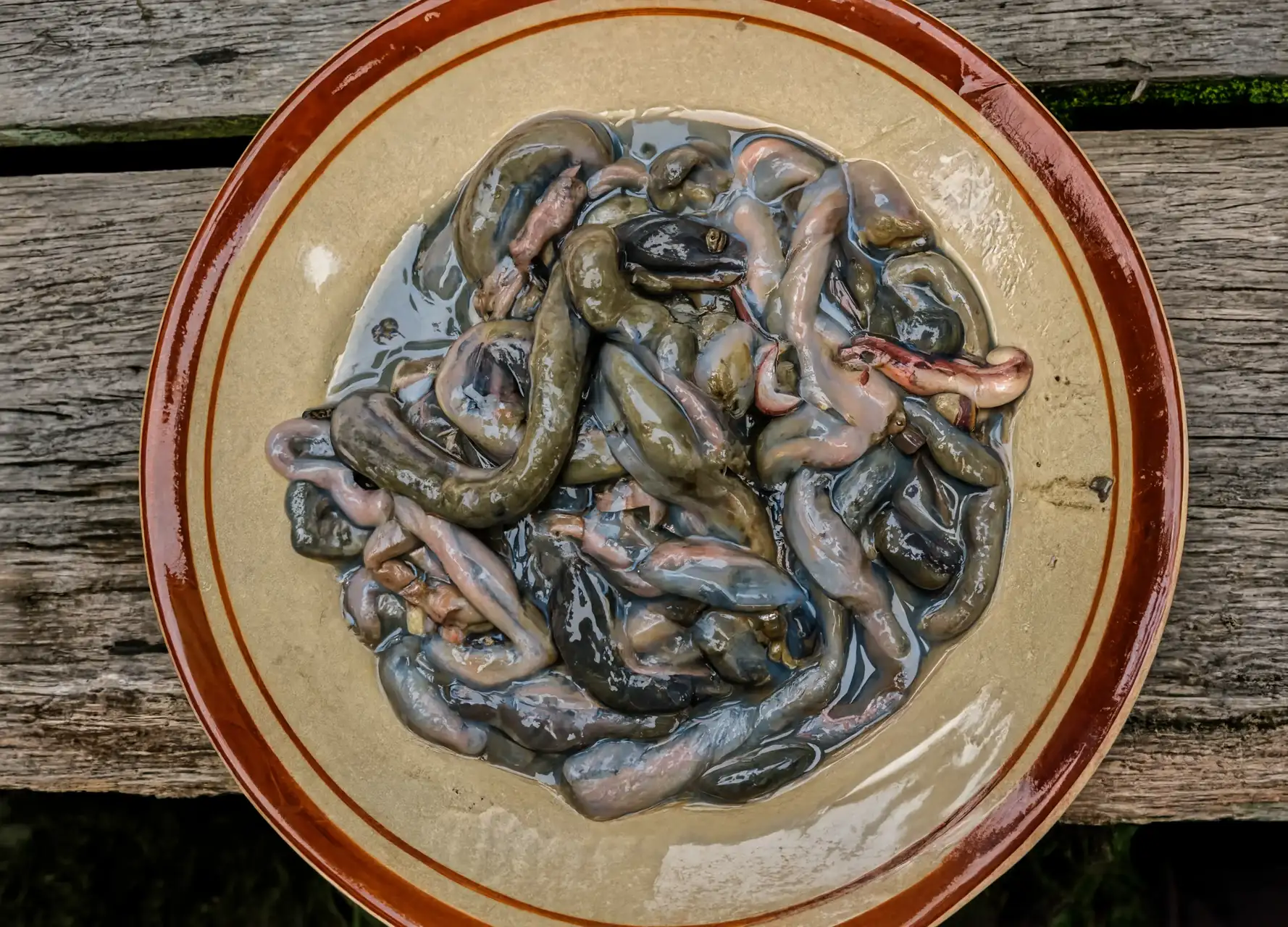
The edible part is the soft body taken out of the wood. Locals may eat turu fresh, sometimes right after extraction: it is removed from its wooden “home,” the head and organs are discarded, and lime or lemon and salt are added.
In flavor it is described as seafood closer to oysters, squid, or scallops: a marine freshness, light saltiness, and a nutty note. The texture is slippery and jelly-like.
Besides the raw version, turu is cooked in soups (caldo), fried in batter, or simmered in coconut-milk sauce. In the region it is also treated as an aphrodisiac, which has produced plenty of local jokes and stories around the dish.
Is turu worth trying for a visitor?
Turu is niche, regional food. It is not something you will easily find in Rio de Janeiro or São Paulo: it belongs to the Amazon, the mangroves, and the cuisine of northern Brazil. It makes sense to try it on a trip to Pará or Marajó, not to hunt for it elsewhere in the country. A more accessible introduction to local cooking is dishes made with Amazonian pirarucu.
For visitors, turu often becomes part of an unusual food experience—trying not just seafood, but a mollusk that lived inside wood. For some that is a challenge; for others it is a polite “no, thank you.” Either way, turu shows how varied Brazilian cuisine can be.
In short
Turu is not a worm or an insect. It is a wood-boring mollusk from the teredinid family. Look for it in northern Brazil: in Pará, on Marajó Island, and in neighboring Amapá and Maranhão—ideally where people still cook it traditionally. That is where you are most likely to taste it prepared properly, not as a rubbery curiosity.