This guide is for travelers who have already visited Rio and São Paulo and want to spend 2–4 days discovering a different side of Brazil: the south, where German settlers founded Blumenau in 1850. We cover how to choose your dates, what admission and beer cost in 2026, how to get there from Rio or São Paulo, and where to stay.
Palm trees, samba, caipirinhas — and suddenly, hundreds of thousands of people in dirndls and lederhosen, German brass bands, grilled sausages, and one-liter beer mugs. There really is a place like this in Brazil. Blumenau, in the state of Santa Catarina, hosts the largest Oktoberfest in the Americas. In 2026, its 41st edition runs for 19 days, from October 7 to 25. According to the organizers, each festival draws more than half a million visitors to the city.
The Brazilian press often describes Oktoberfest Blumenau as the world's second-largest, after Munich. The visitor numbers are very different, though: Munich welcomed around 6.5 million people over 16 days in 2025, while Blumenau attracts roughly a tenth as many.
It is easy to plan this trip badly. Blumenau has no airport with scheduled flights; the nearest is 55–59 km away. Admission to the festival park ranges from free to R$80, depending on the day, with free daytime entry on weekdays. The main street spectacle, the parade, takes place eight times during the festival, almost always in the city center, several kilometers from the park. Choose dates without checking the schedule and you could arrive on the most expensive day and miss the parade.
The short answer: if you have already seen Rio and São Paulo and want to experience a very different Brazil, this makes a good 2–4-day trip. Choose your dates around the parades, rather than the other way around.
How German settlers came to southern Brazil
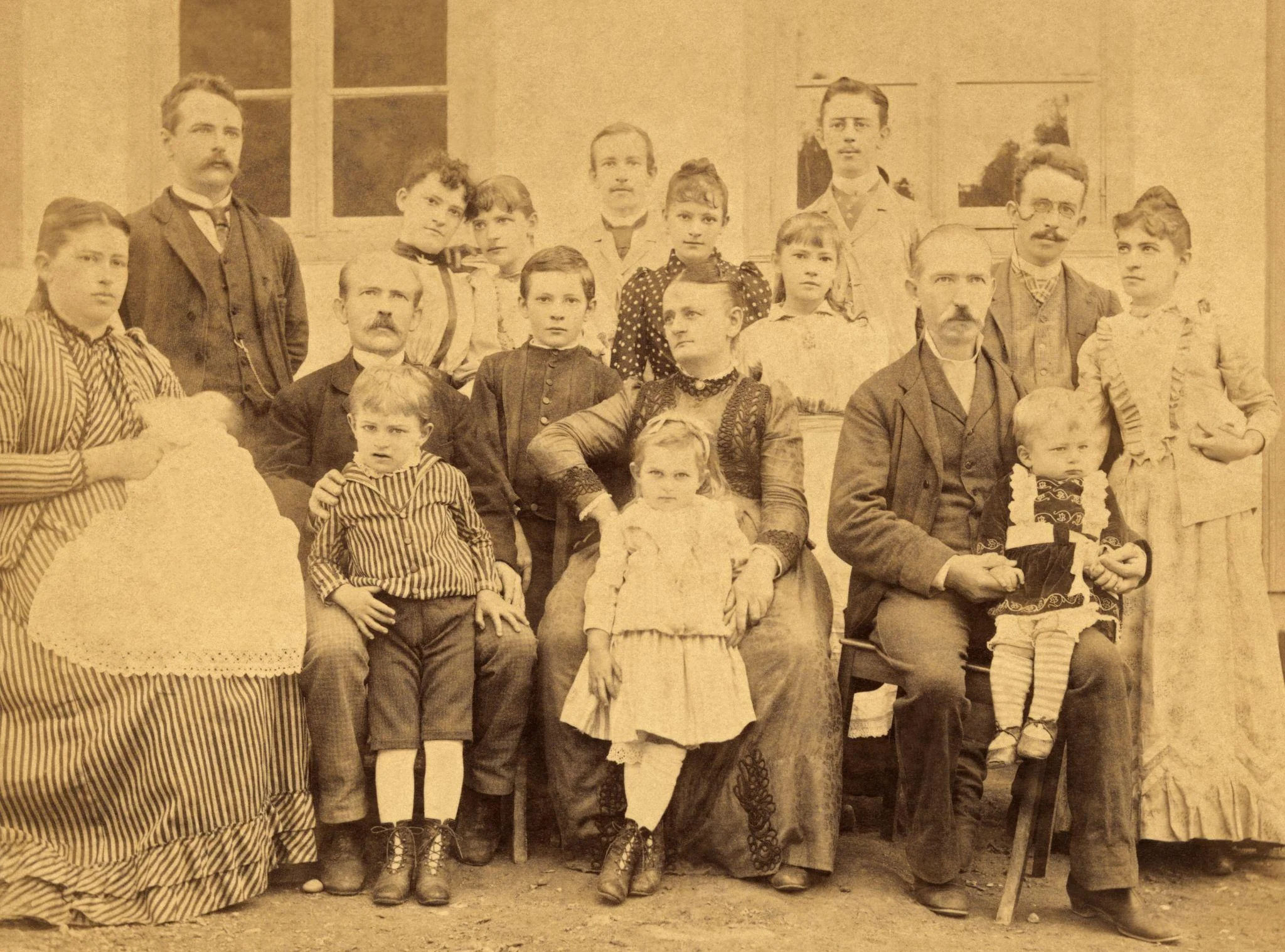
Large-scale German immigration to Brazil is usually dated to July 25, 1824, when the first families settled in the colony of São Leopoldo in Rio Grande do Sul. Settlements later appeared in Santa Catarina, and immigration increased in the second half of the 19th century. Most German settlers went to southern Brazil, although colonies also developed in other states, including Espírito Santo, Rio de Janeiro, and Minas Gerais.
The newcomers were not simply moved into existing Brazilian cities. They were allocated plots in remote forests, hills, and undeveloped land. These isolated agricultural settlements were officially known as “colonies.”
Nor did they come from a unified Germany: the country did not unite until 1871. The settlers came from different German states and regions, including Prussia, Pomerania, and Silesia. Their reasons were practical: crop failures and high taxes in the smaller states, political instability after the failed revolutions of 1848–1849, and the chance to obtain land in a colony.
They brought their language and dialects, Lutheran and Catholic congregations, singing and dancing societies, Schützenverein shooting clubs (known in Blumenau as clubes de caça e tiro, or hunting and shooting clubs), food, brewing traditions, crafts, and building techniques.
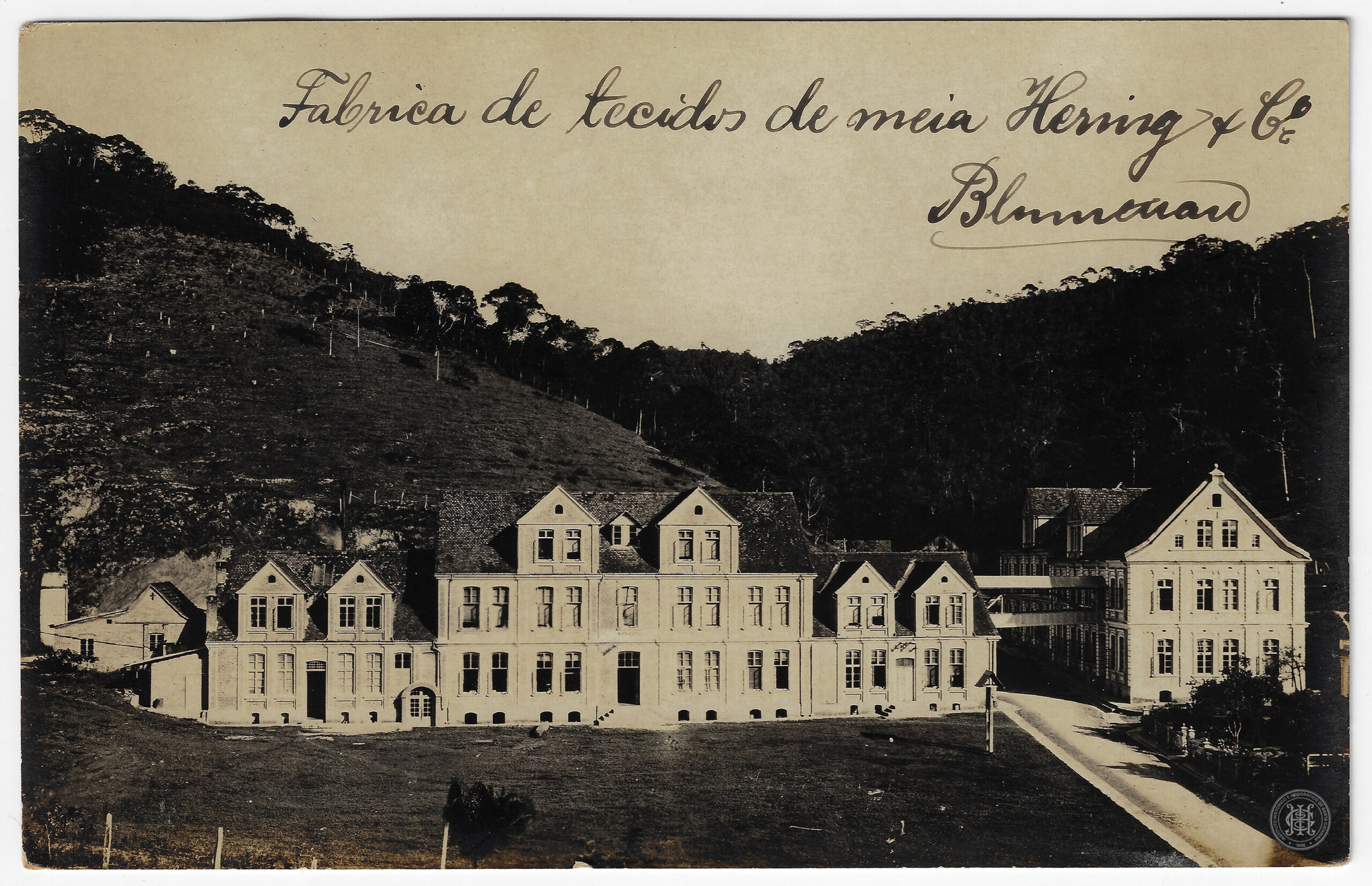
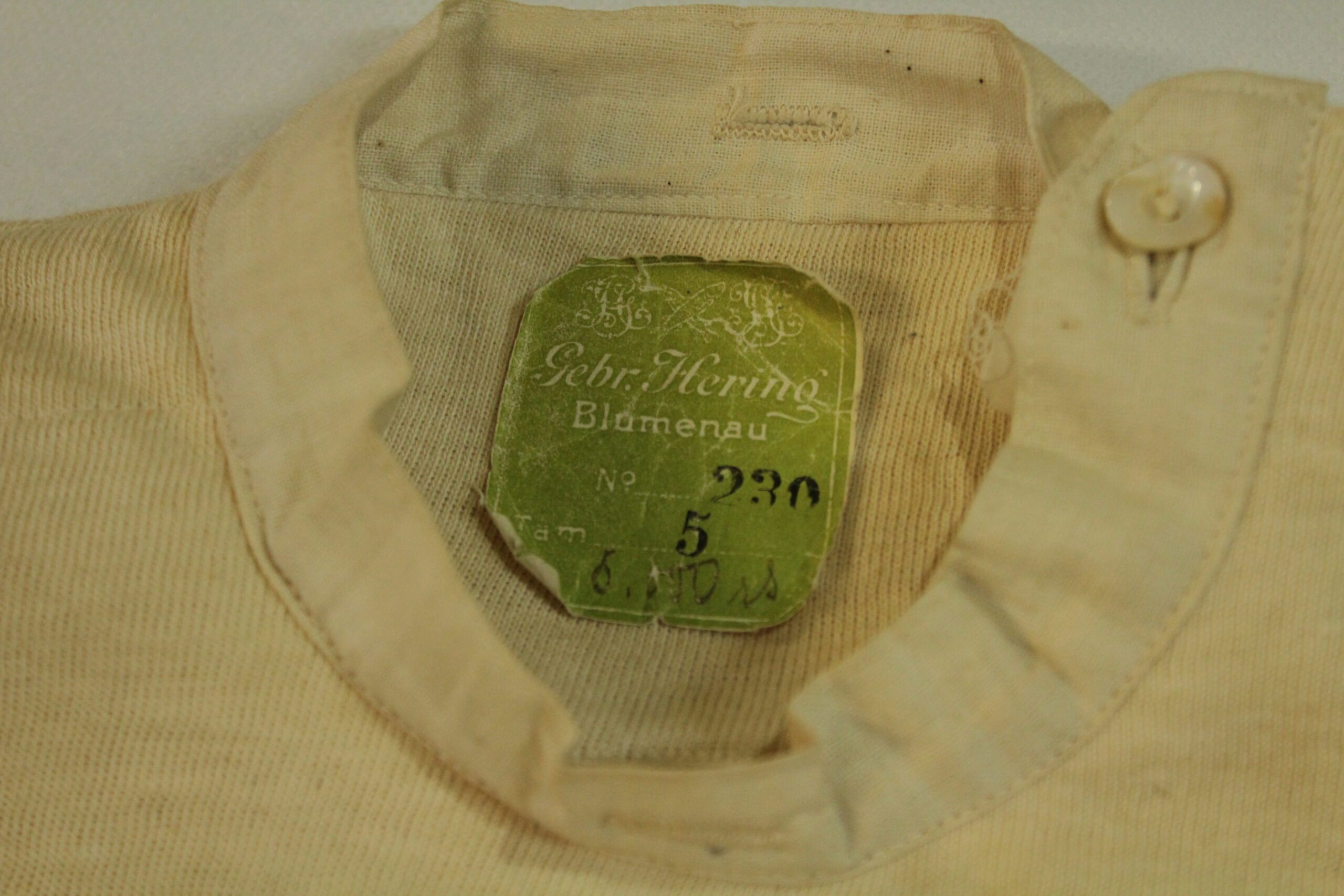
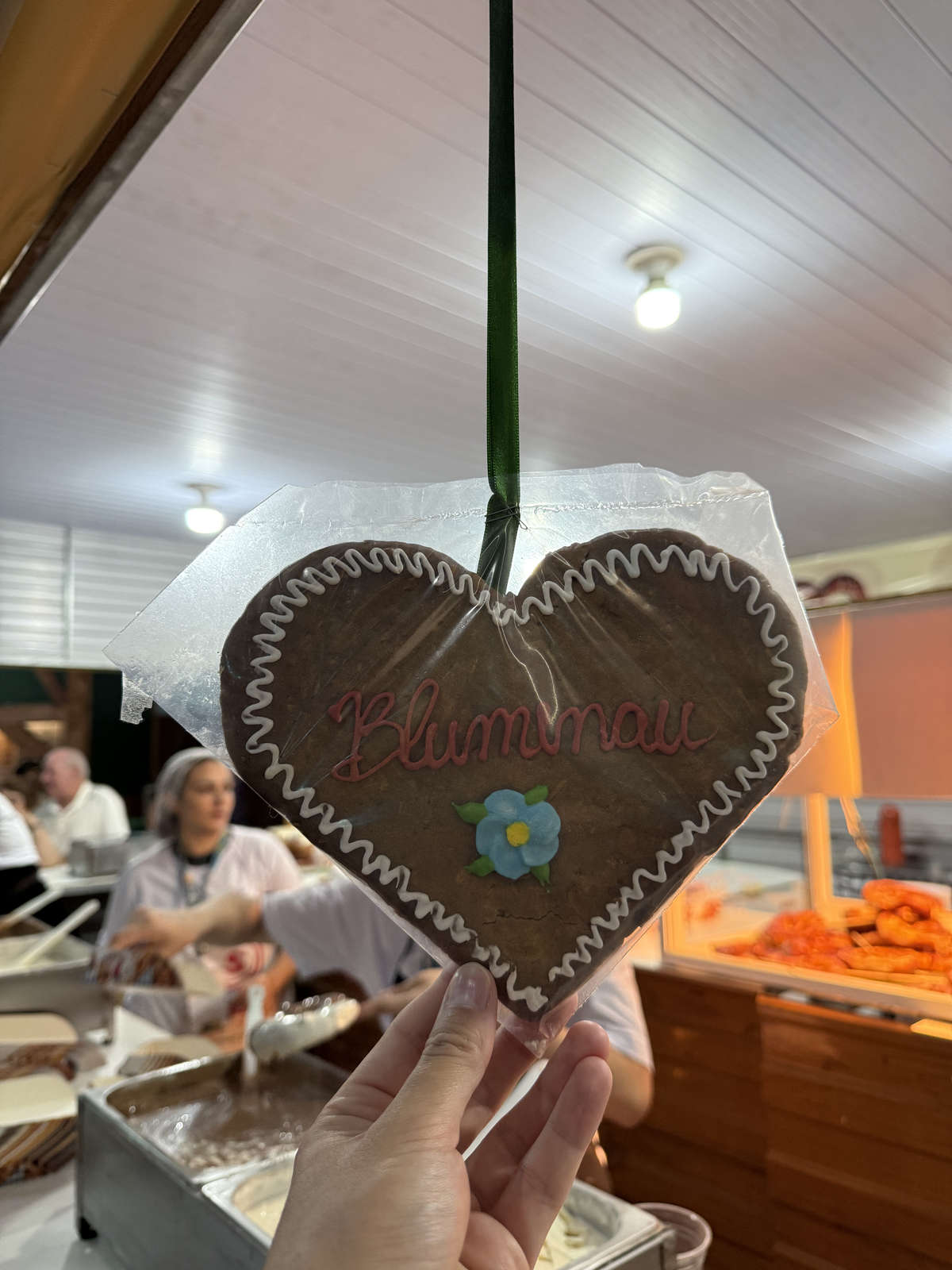
German heritage in Brazil goes well beyond sausages and half-timbered houses. The German community helped develop trade and industry, particularly textiles. One Blumenau example: in 1880, brothers Hermann and Bruno Hering founded a knitwear factory that grew into the Hering company. Its headquarters remain in Blumenau. Hering means “herring” in German, which explains the two fish in the logo, one for each brother.
Why Blumenau looks so different from the Brazil you might expect
The colony of Blumenau was founded in 1850 by Dr. Hermann Bruno Otto Blumenau. Its first 17 settlers arrived on September 2, 1850. In 1880, the colony became a municipality, and the city developed into an agricultural and industrial center in the Itajaí Valley.
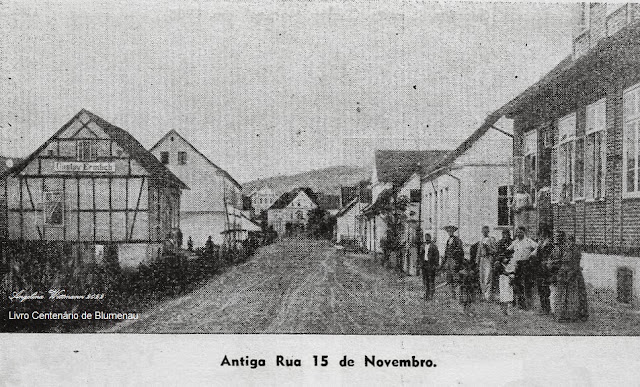
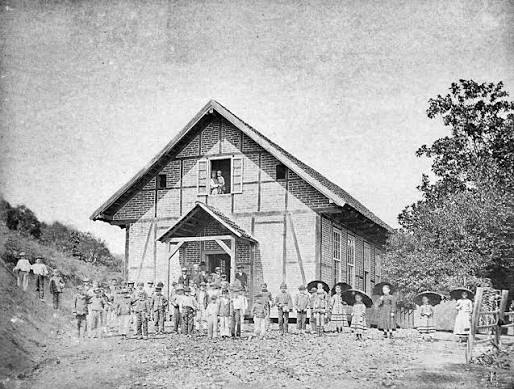
Blumenau's German traditions long predate the festival. Its clubs and societies had been active for decades. Traditional dress needs a little qualification, however. According to the organizers, it was rarely worn before the festival, apart from waistcoats. The hunting and shooting clubs, seen as custodians of German folk culture, helped popularize the costumes, and people began making and buying them after the first Oktoberfest. Today, dirndls and lederhosen are a familiar sight at the festival and can qualify you for discounted admission.
How the festival began
You will often read that the festival was invented after a flood. That is an oversimplification. A festival to attract tourists had been discussed since 1977, as the city government and local businesses looked for ways to bring visitors to Blumenau. Flooding accelerated the decision, and the first Oktoberfest Blumenau took place in 1984 as the city recovered. The organizers describe the festival as a symbol of the city's recovery.
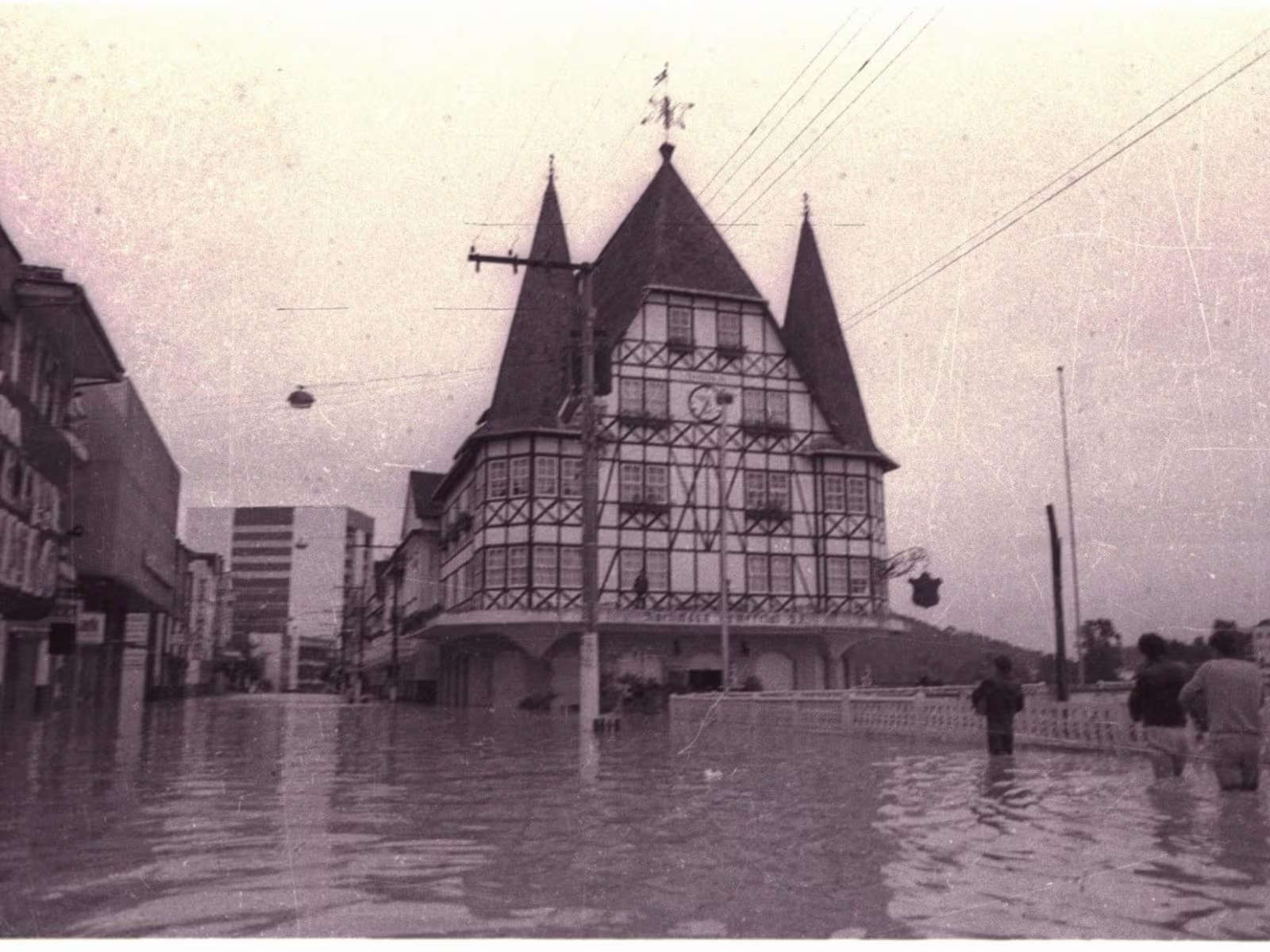

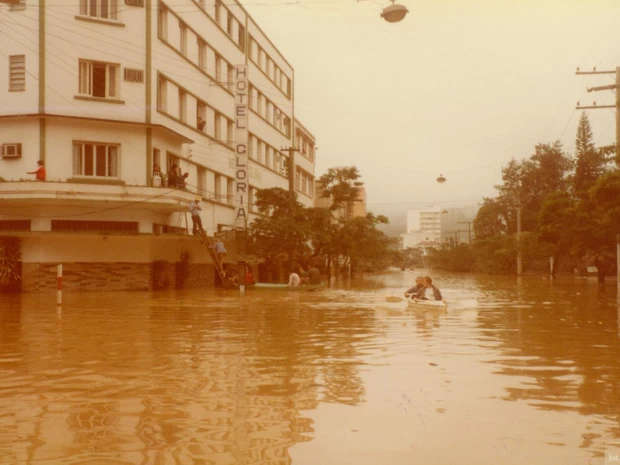
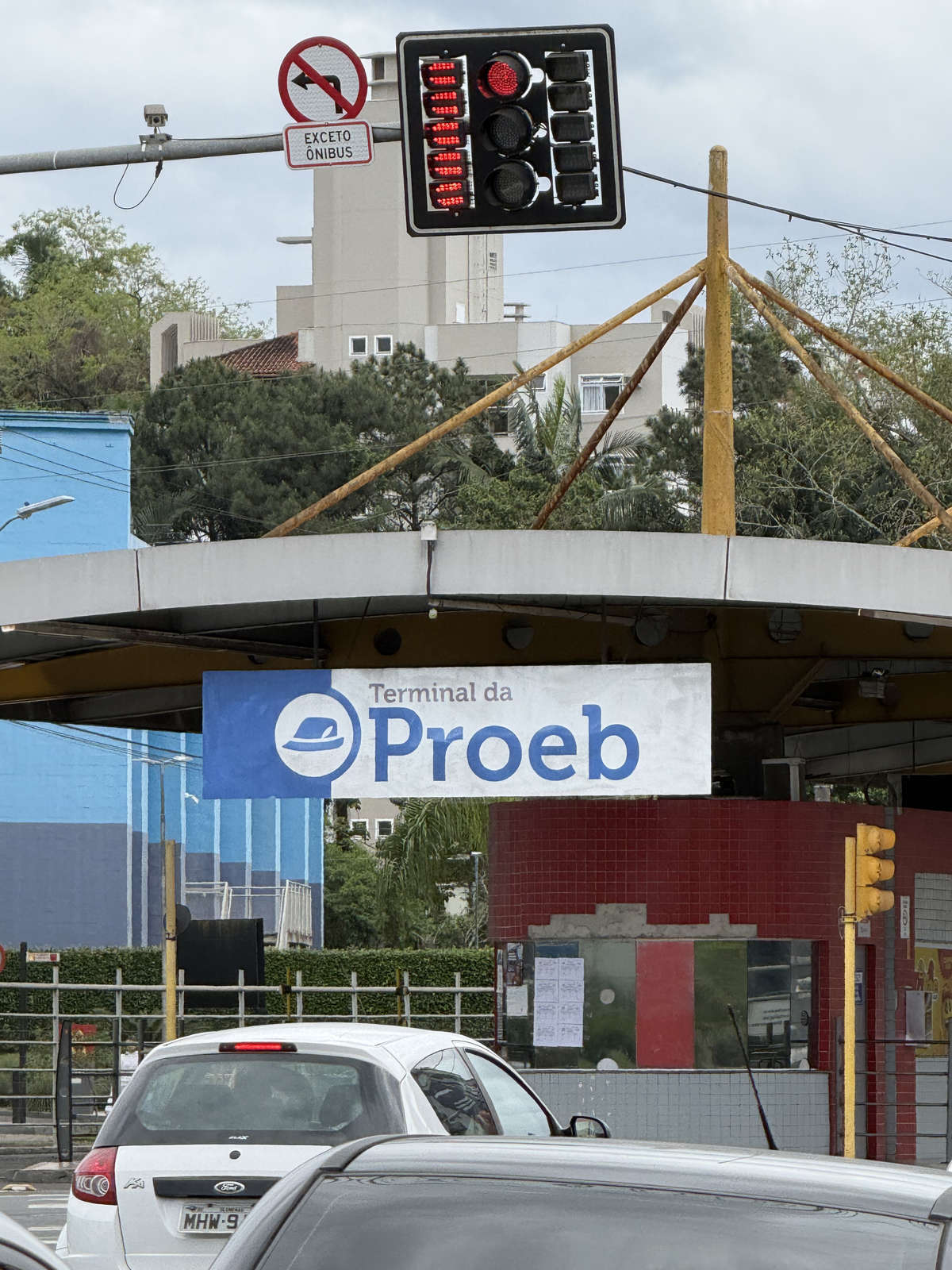
The first festival lasted 10 days and drew around 102,000 people to the old Proeb pavilion, more than half the city's population at the time. The first parade along Rua XV de Novembro took place on October 5, 1984. Traditions established then still survive today: the ceremonial tapping of the first beer keg, the festival queen competition, and a beer-drinking contest using a meter-long glass.
Over four decades, the festival has welcomed more than 25 million visitors, according to the organizers. It was canceled in 2020 and 2021 because of the pandemic.
Vila Germânica: where the festival takes place
The main festival takes place at Parque Vila Germânica, or “German Village,” at Rua Alberto Stein, 199, in the Velha neighborhood. It was not a separate town built from scratch for Oktoberfest. The park grew out of the Proeb exhibition complex, where the first festival was held in 1984. It opened in its current form in May 2006 and is a permanent events venue, also hosting the summer Sommerfest and the Osterdorf Easter fair.
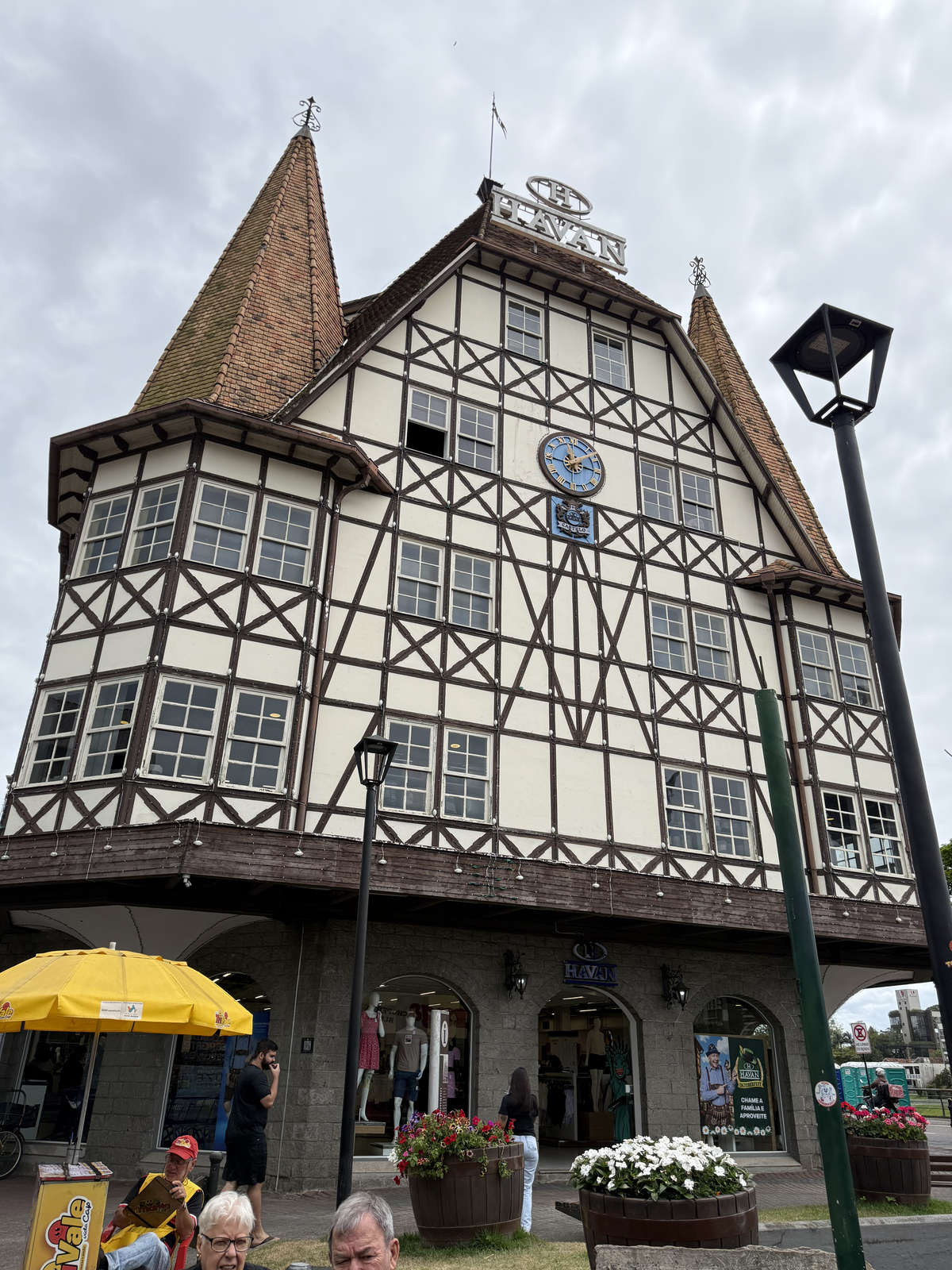
The park includes three large pavilions, called Sectors 1, 2, and 3 in the program; the neighboring Ginásio Sebastião Cruz sports hall, universally known as Galegão; and an outdoor area with shops, restaurants, and attractions, including a Ferris wheel. The facades imitate German half-timbered houses, a style called enxaimel in Portuguese. Sectors 1, 2, and 3 have around 30,000 square meters of covered space. During the festival, the park can hold just over 40,000 people at a time.
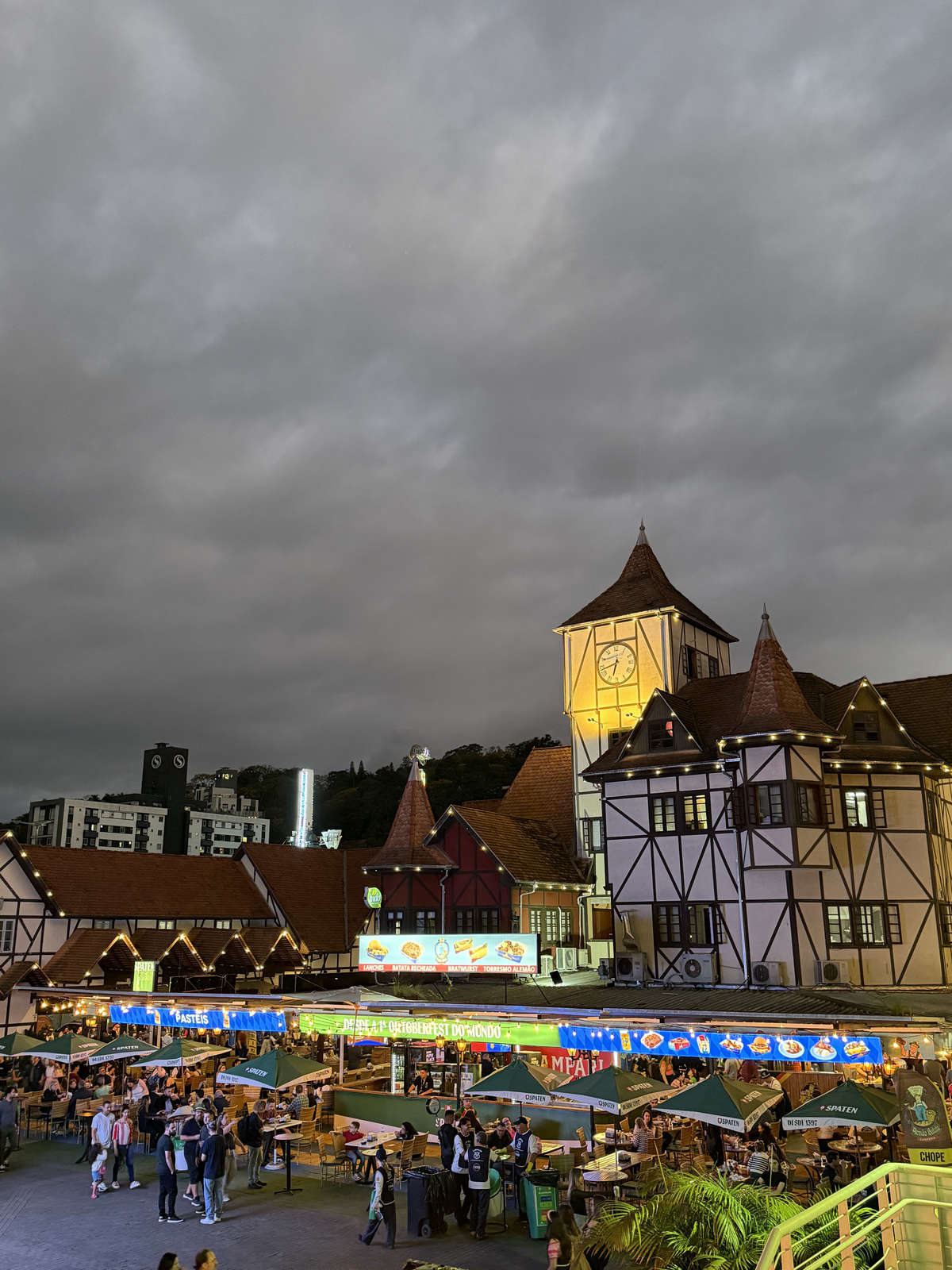
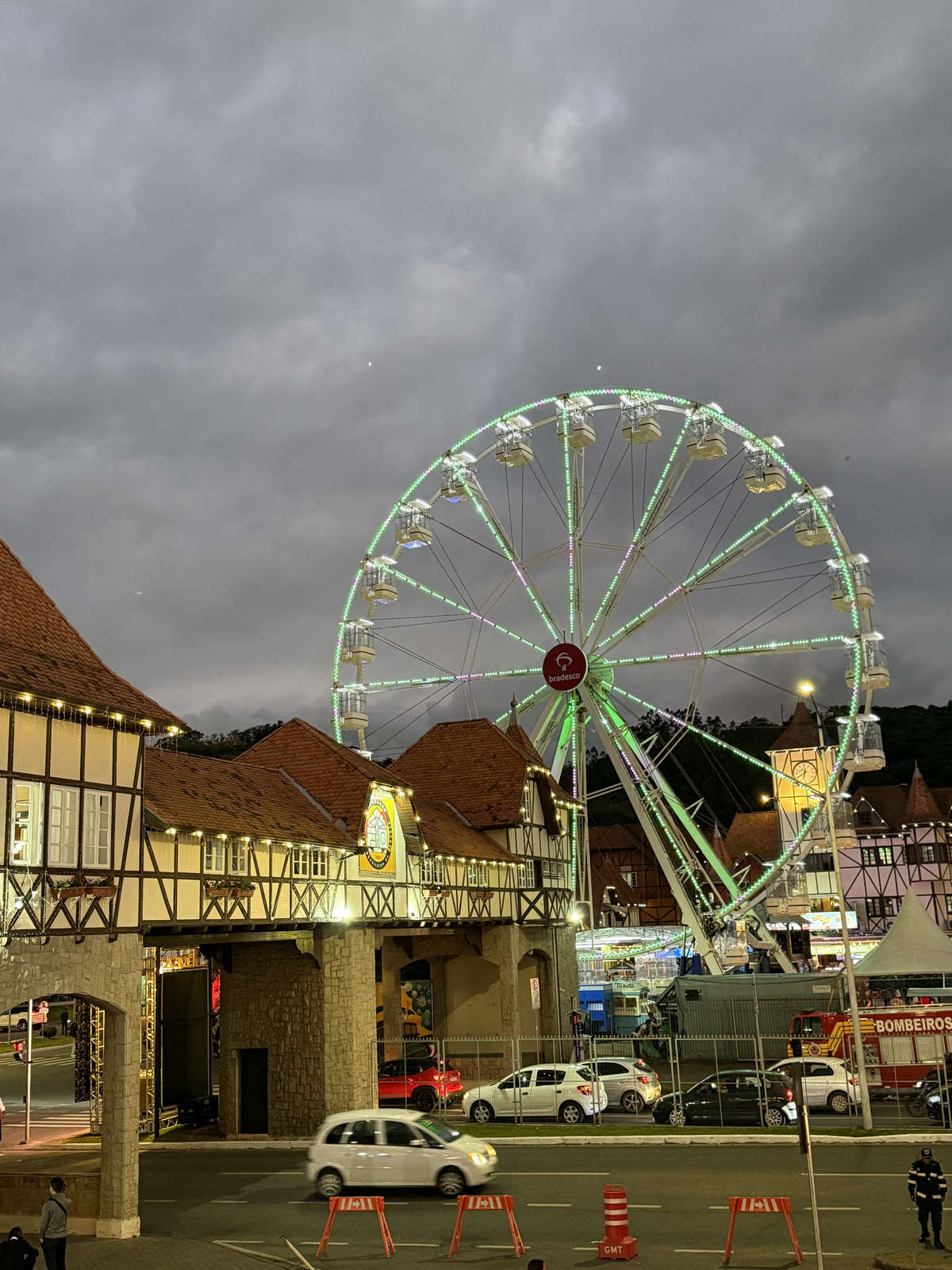
According to the official website, the park opens Monday and Tuesday from 11:00 to midnight, Wednesday and Thursday from 11:00 to 02:00, Friday from 11:00 to 03:00, Saturday from 10:00 to 03:00, and Sunday from 10:00 to midnight. On opening day, October 7, it is open from 18:00 to 03:00. The organizers publish the day-by-day festival program on the official website.
What happens inside
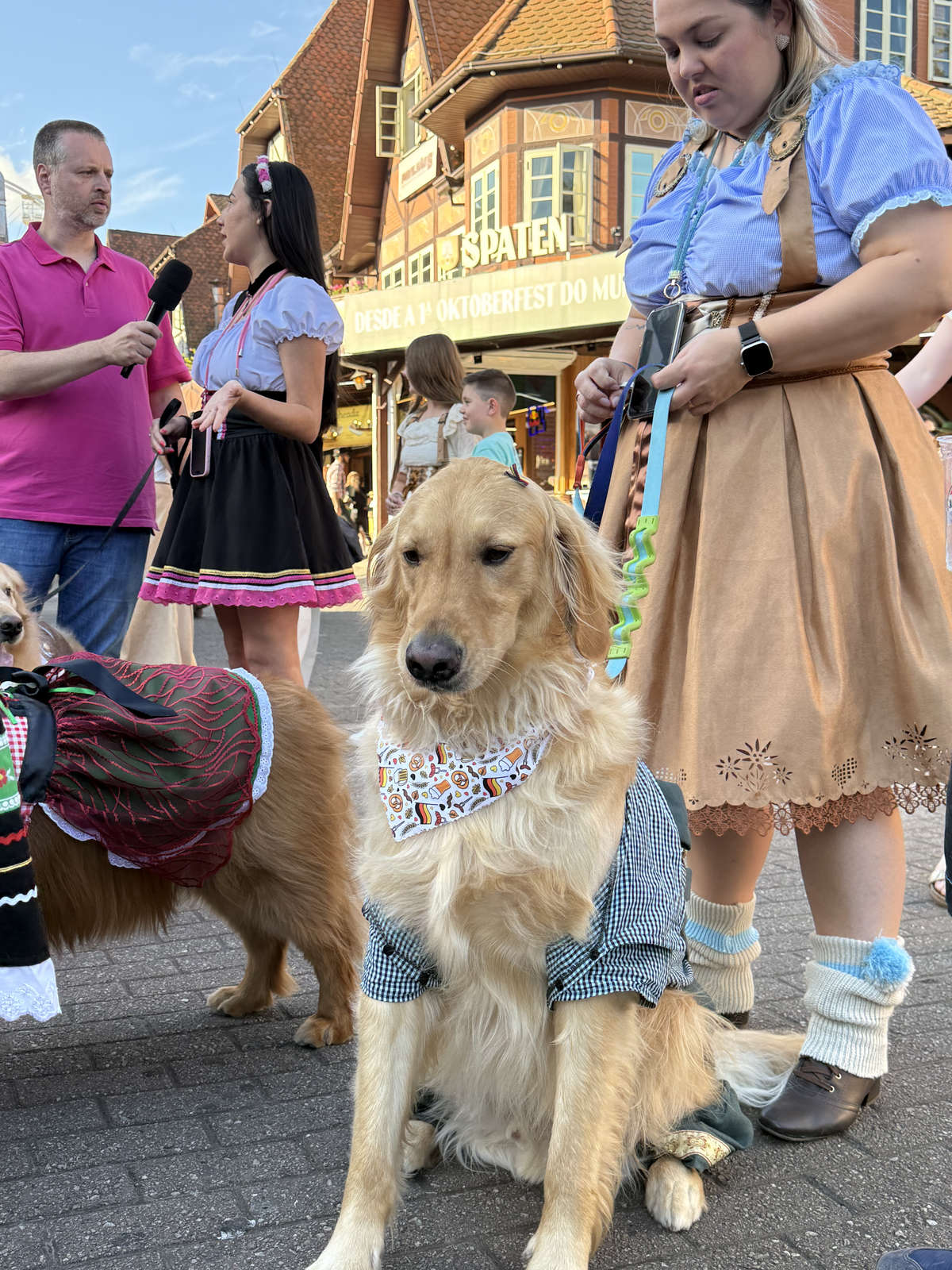
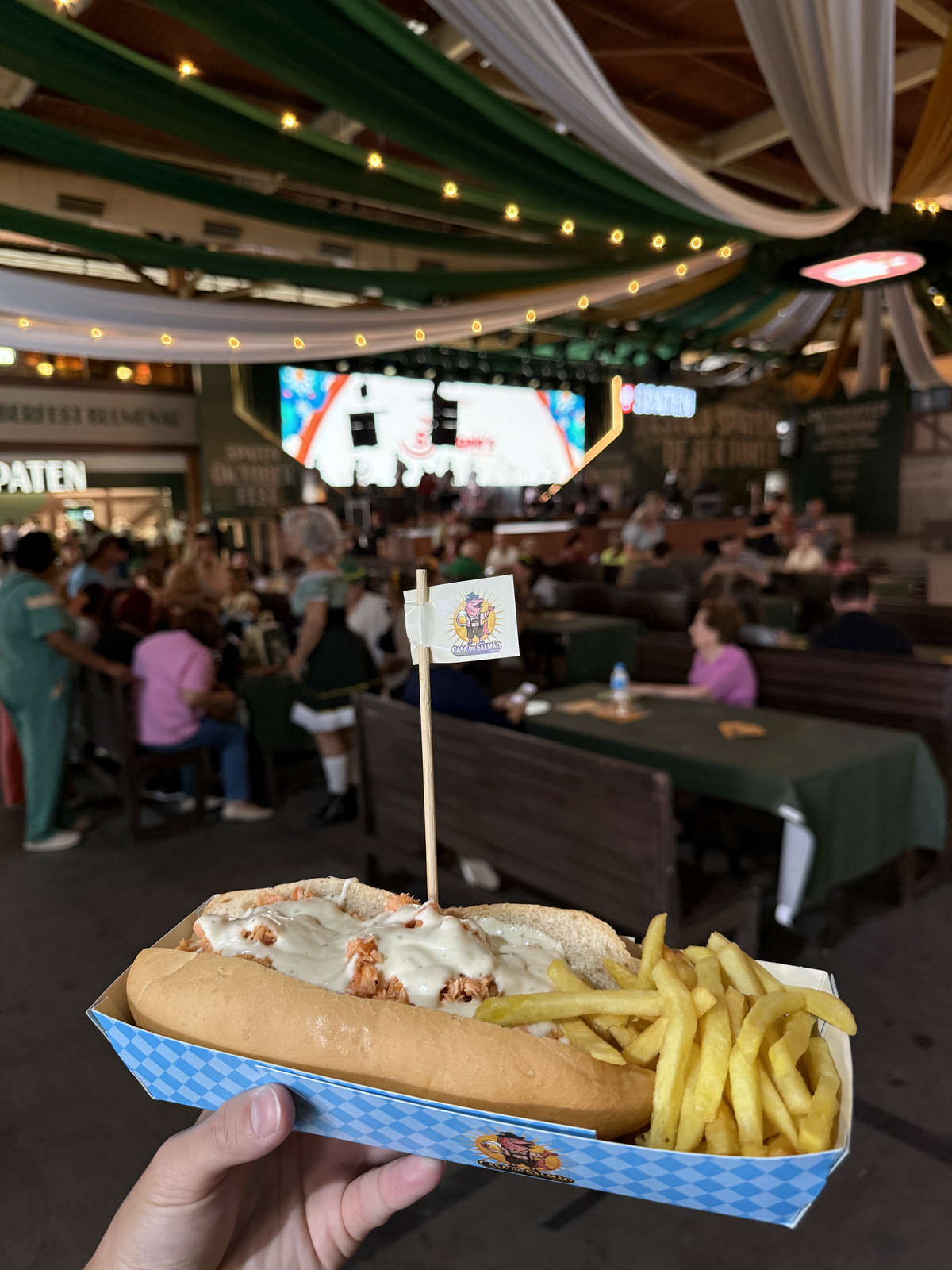
Inside, you will find several pavilions and stages running at the same time, rather than one enormous beer tent. German and Brazilian bands and orchestras perform alongside folk groups, with dancing, competitions, and games organized by the German clubs. Contests include drinking beer from a meter-long glass, speed log-sawing, balancing a tray suspended on ropes while drinking beer, eating rollmops, and tackling a meter-long bratwurst. On the first day, city officials ceremonially tap the first keg.
You collect food and beer from the counters and pay with an Oktober Karte, explained below. Unlike in Munich, you do not have to sit at a table to be served. The pavilions have long communal tables, with open space in front of the stages for singing and dancing.
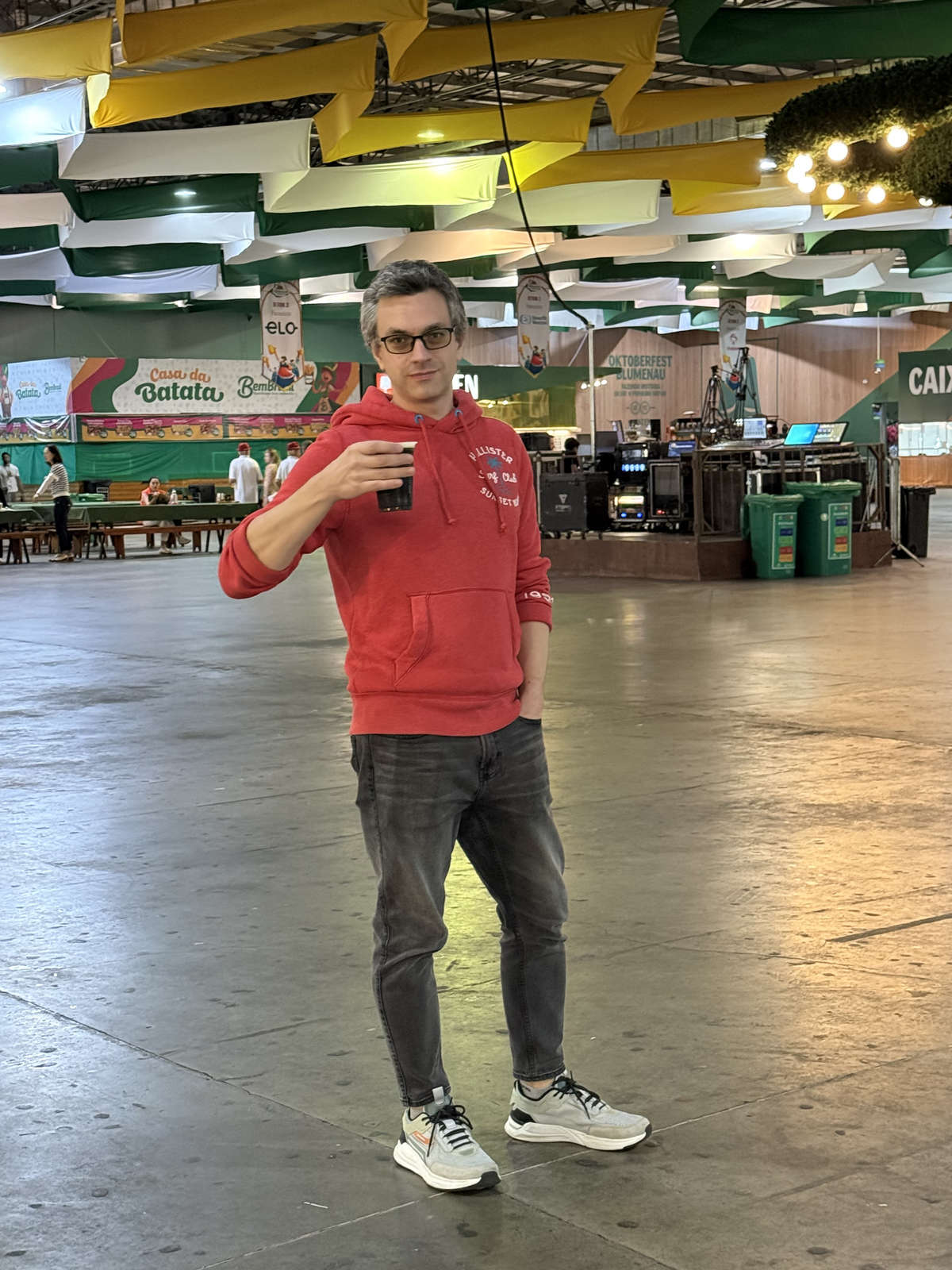
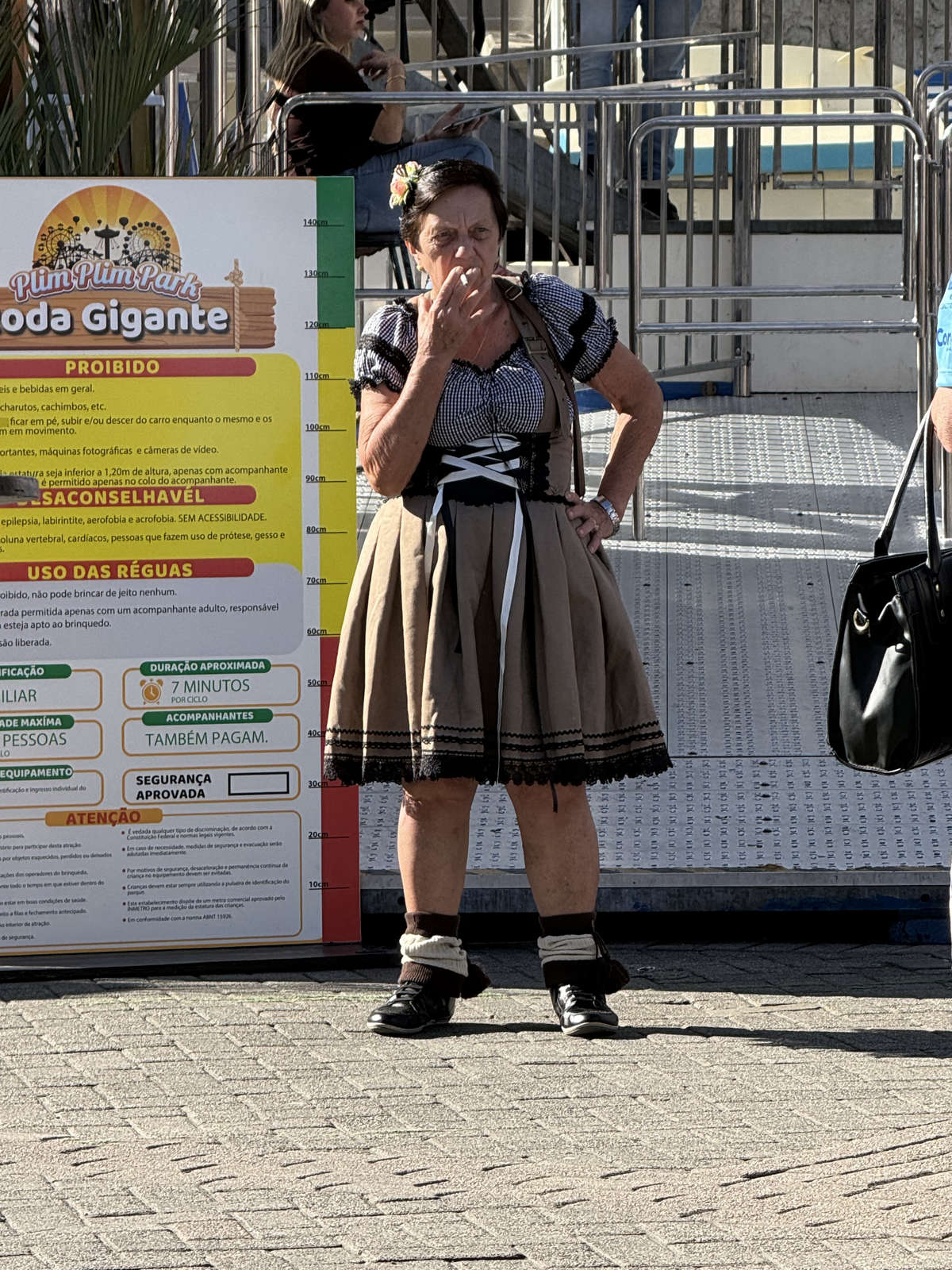
The atmosphere changes throughout the day. Daytime is quieter and more family-oriented. In the evening, especially on Fridays and Saturdays, it becomes a huge, noisy party, with the pavilions packed to capacity. Local residents quoted by the Brazilian travel blog Vambora recommend Thursday evening: lively, but without an exhausting crush of people.
Parades: plan your dates around them
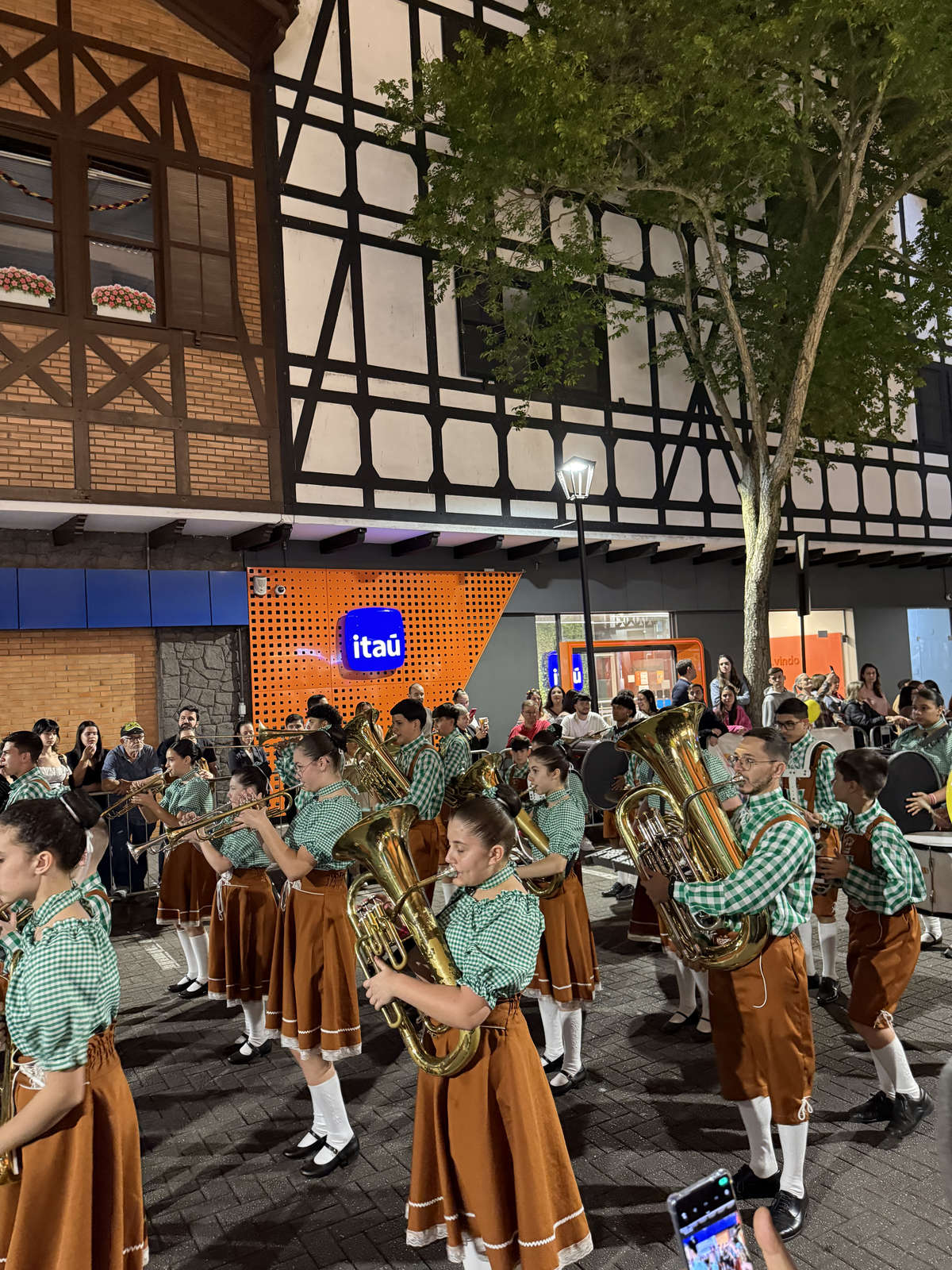
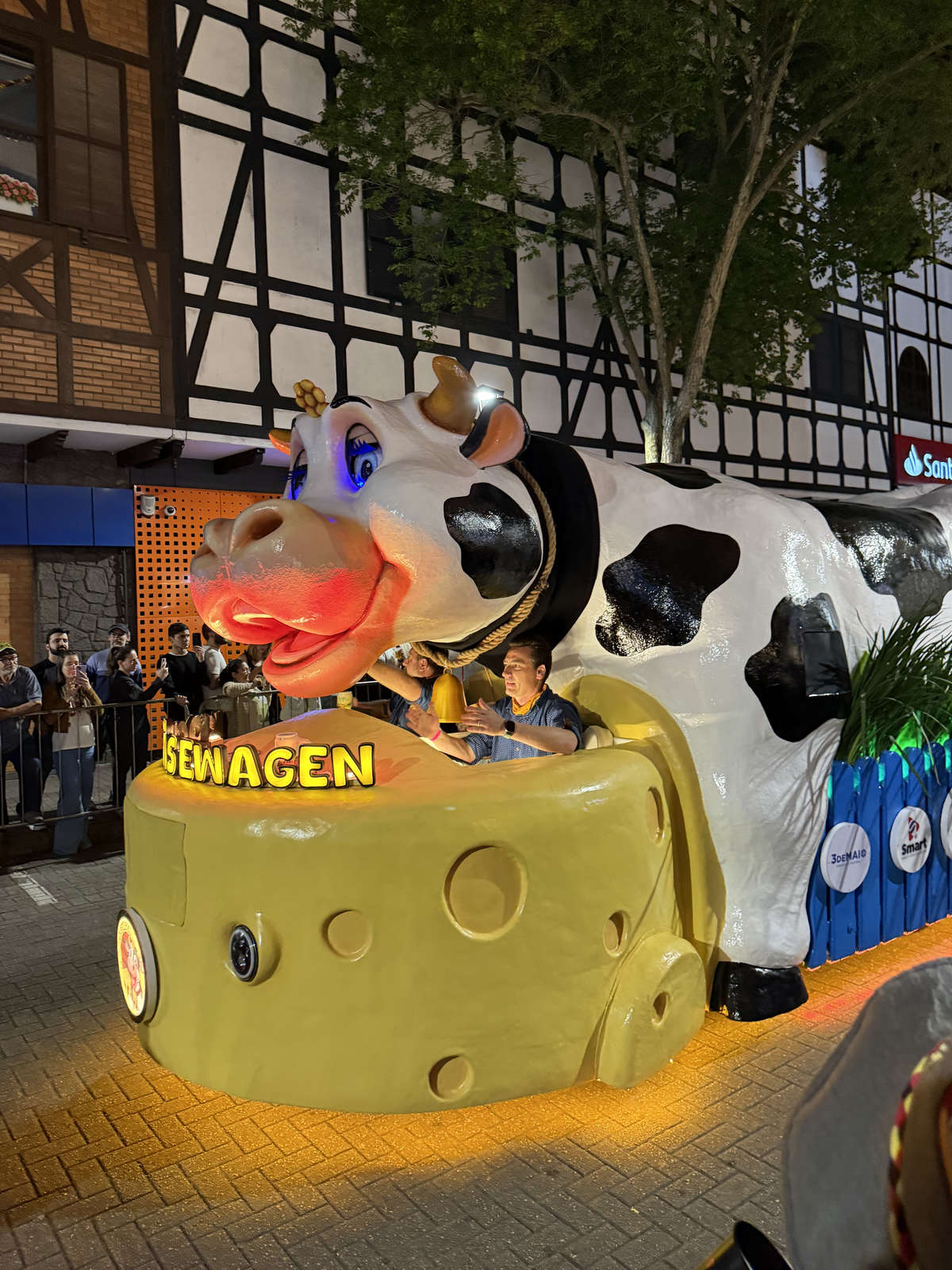
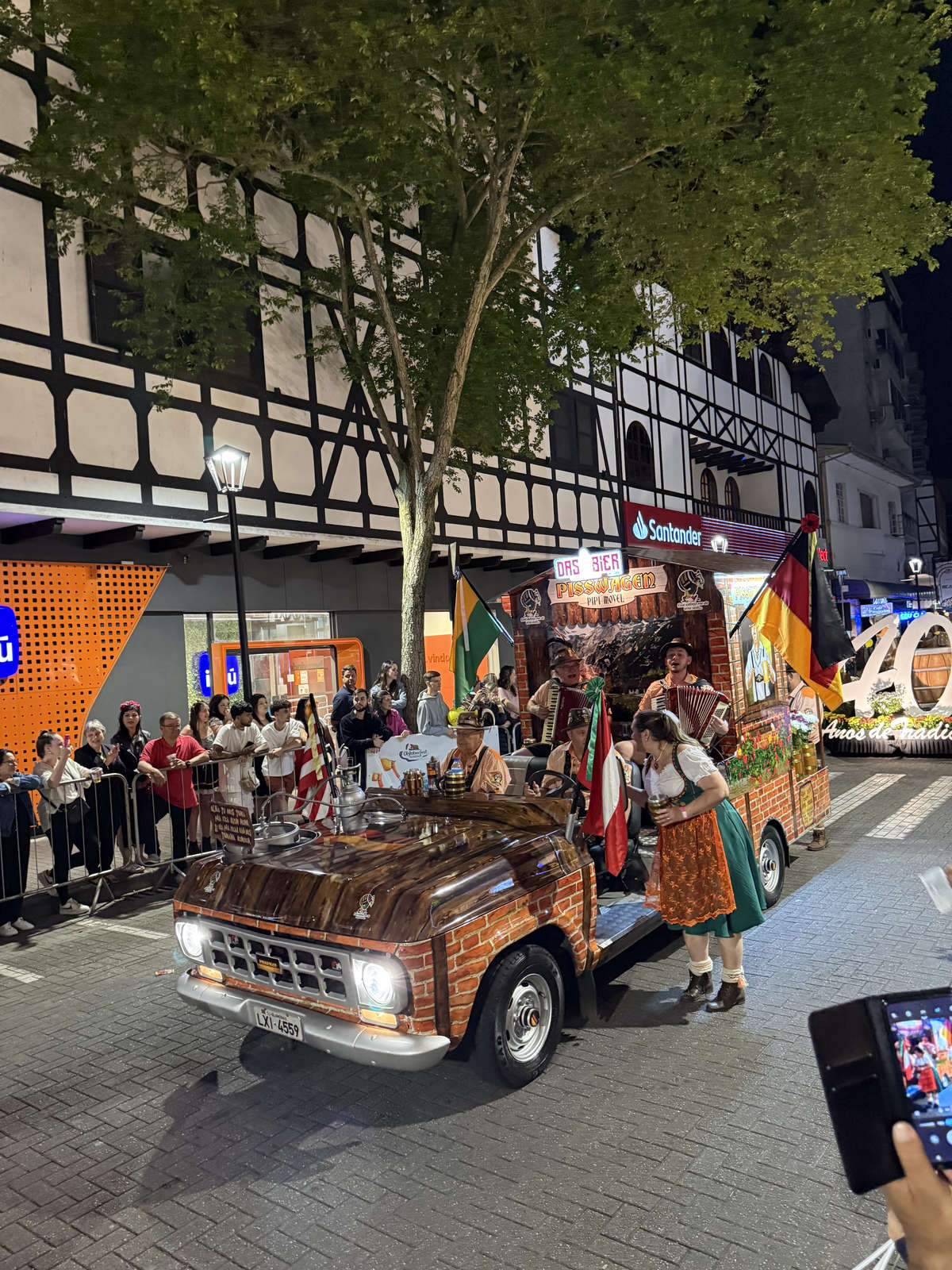
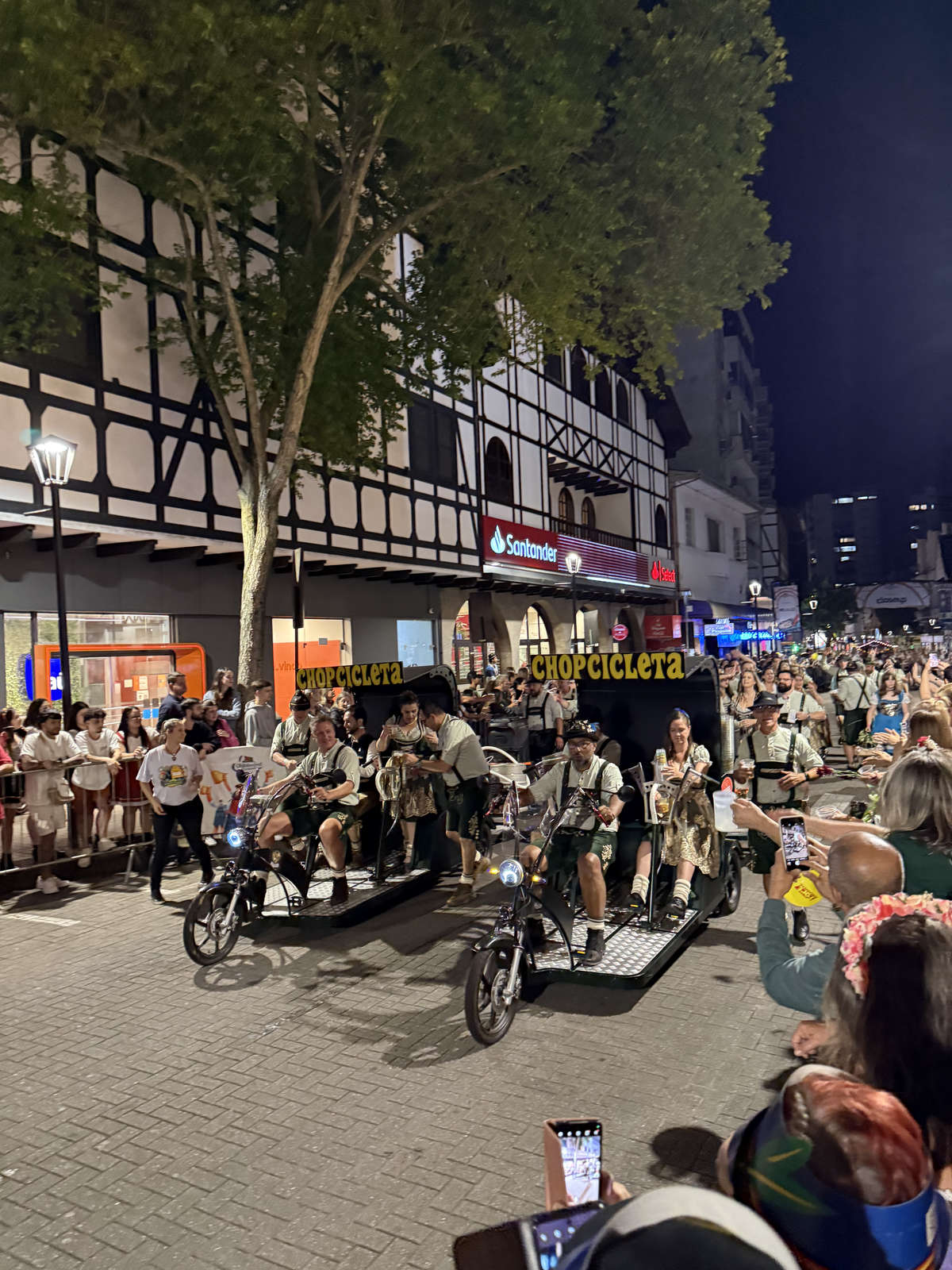
The main parades take place in the city center on Rua XV de Novembro, the principal shopping street, rather than at Vila Germânica. They are free to watch. The street closes to traffic beforehand, and the 1,400-meter route runs from Alameda Rio Branco to Rua Amadeu da Luz. At least 3,000 people take part in costume: clubs, folk groups, bands, decorated floats, and themed vehicles. These include Schweinwagen (the “pig vehicle”), Kochkäsewagen (the cheese-fondue vehicle), Kartoffelwagen (the potato vehicle), and Essenwagen (the food vehicle). Each group takes about 30 minutes to cover the route; the full parade lasts around two hours.
The 2026 parade schedule from the official parade page:
| Date | Day | Start | Location |
|---|---|---|---|
| October 7 | Wednesday | 19:00 | Rua XV de Novembro (opening parade) |
| October 10 | Saturday | 16:00 | Rua XV de Novembro |
| October 11 | Sunday | 10:30 | Vila Itoupava, Rua Henrique Conrad |
| October 12 | Monday (public holiday) | 10:00 | Rua XV de Novembro (morning parade) |
| October 14 | Wednesday | 19:30 | Rua XV de Novembro |
| October 17 | Saturday | 16:00 | Rua XV de Novembro |
| October 21 | Wednesday | 19:30 | Rua XV de Novembro |
| October 24 | Saturday | 16:00 | Rua XV de Novembro |
Check the Vila Itoupava parade date on the official page before traveling: earlier announcements gave a different date.
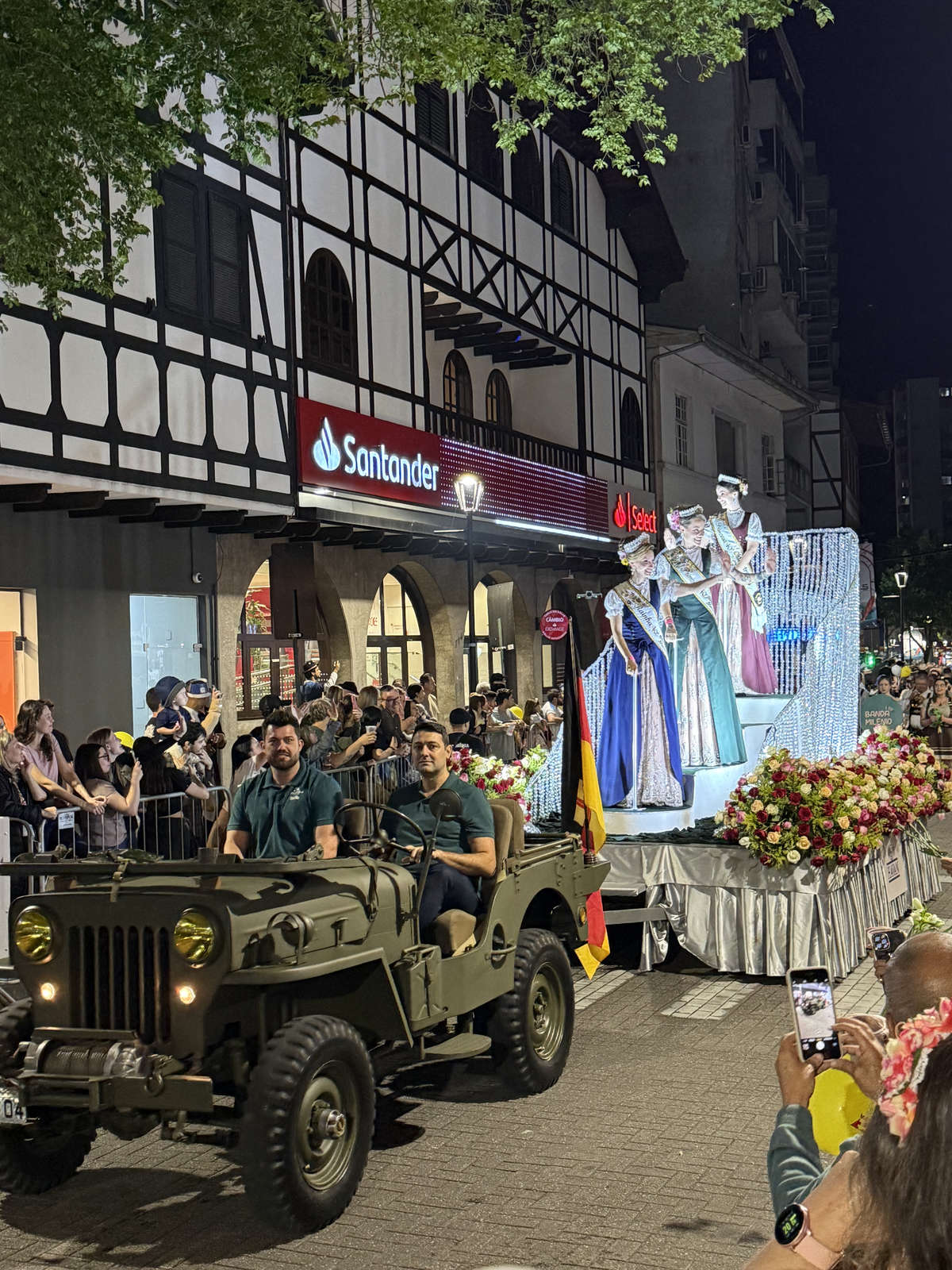
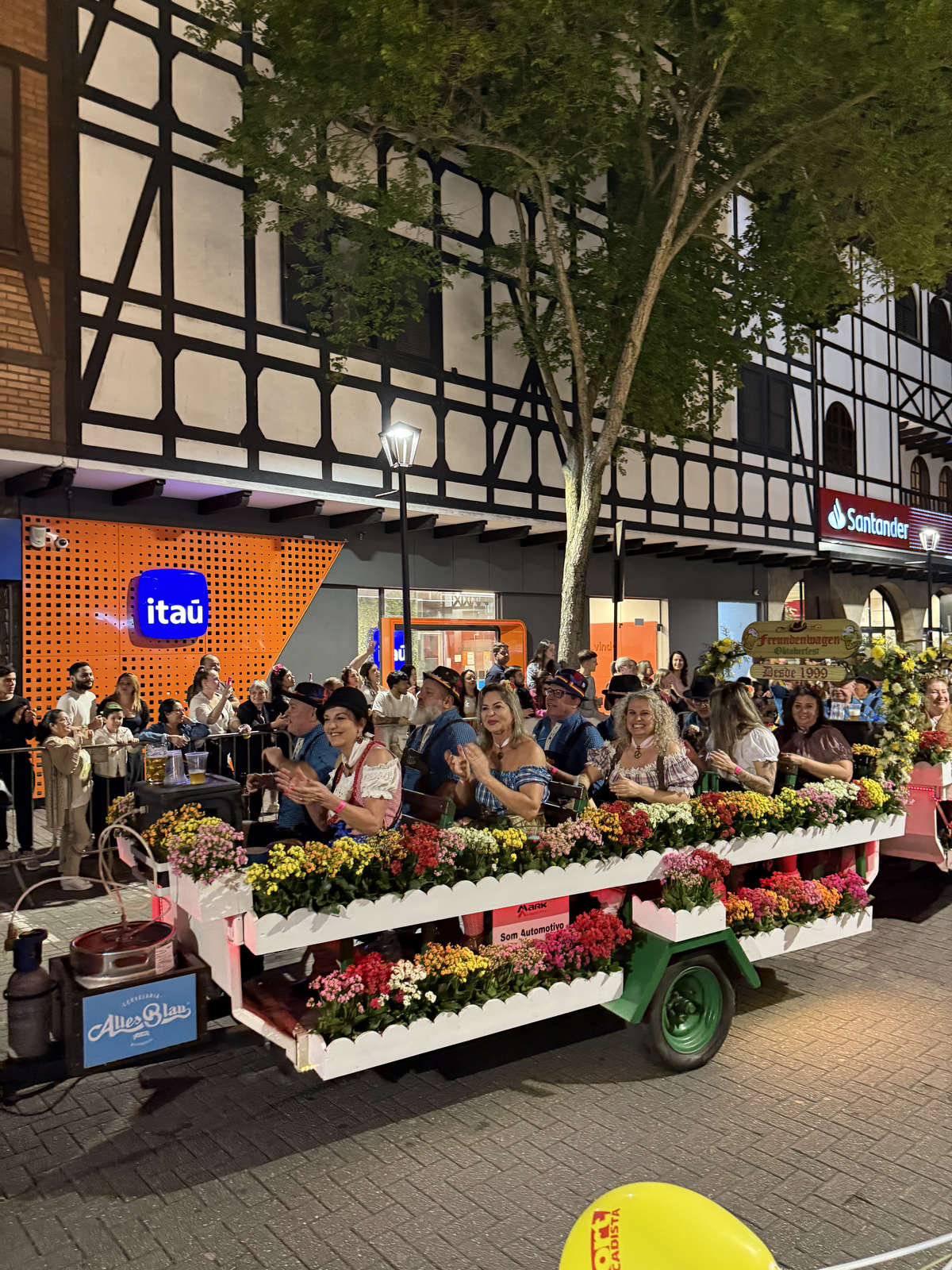
Watching the parade. Arrive at least an hour early. Spaces in the middle of Rua XV de Novembro fill first, while the start and end of the route tend to be quieter. You can bring folding stools or chairs to the street, as long as they do not obstruct other spectators. The steps of Catedral São Paulo Apóstolo are one popular viewing spot. In previous years, decisions about holding a parade in the rain were made about an hour before it began, so check the festival's official pages on the day.
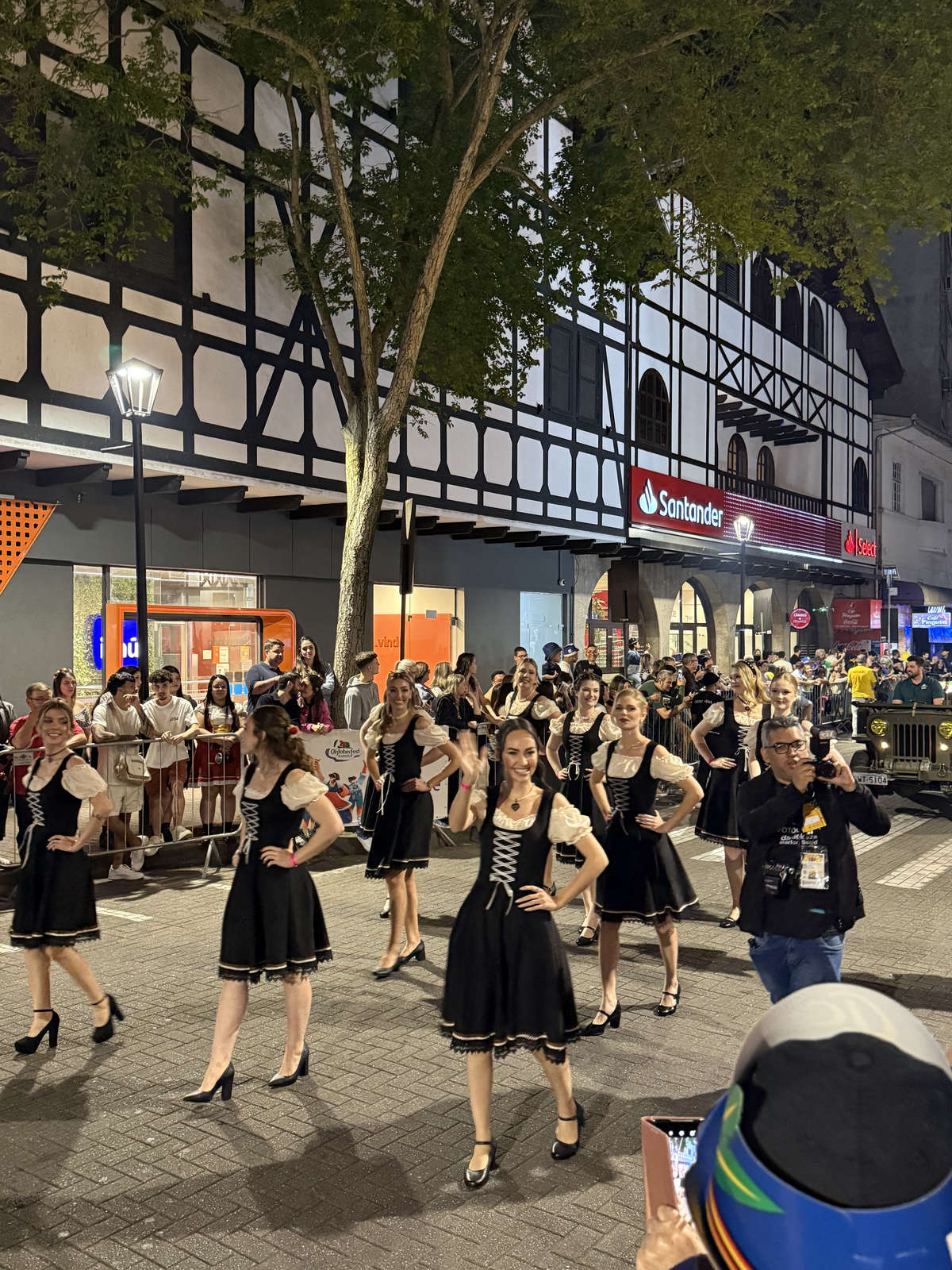
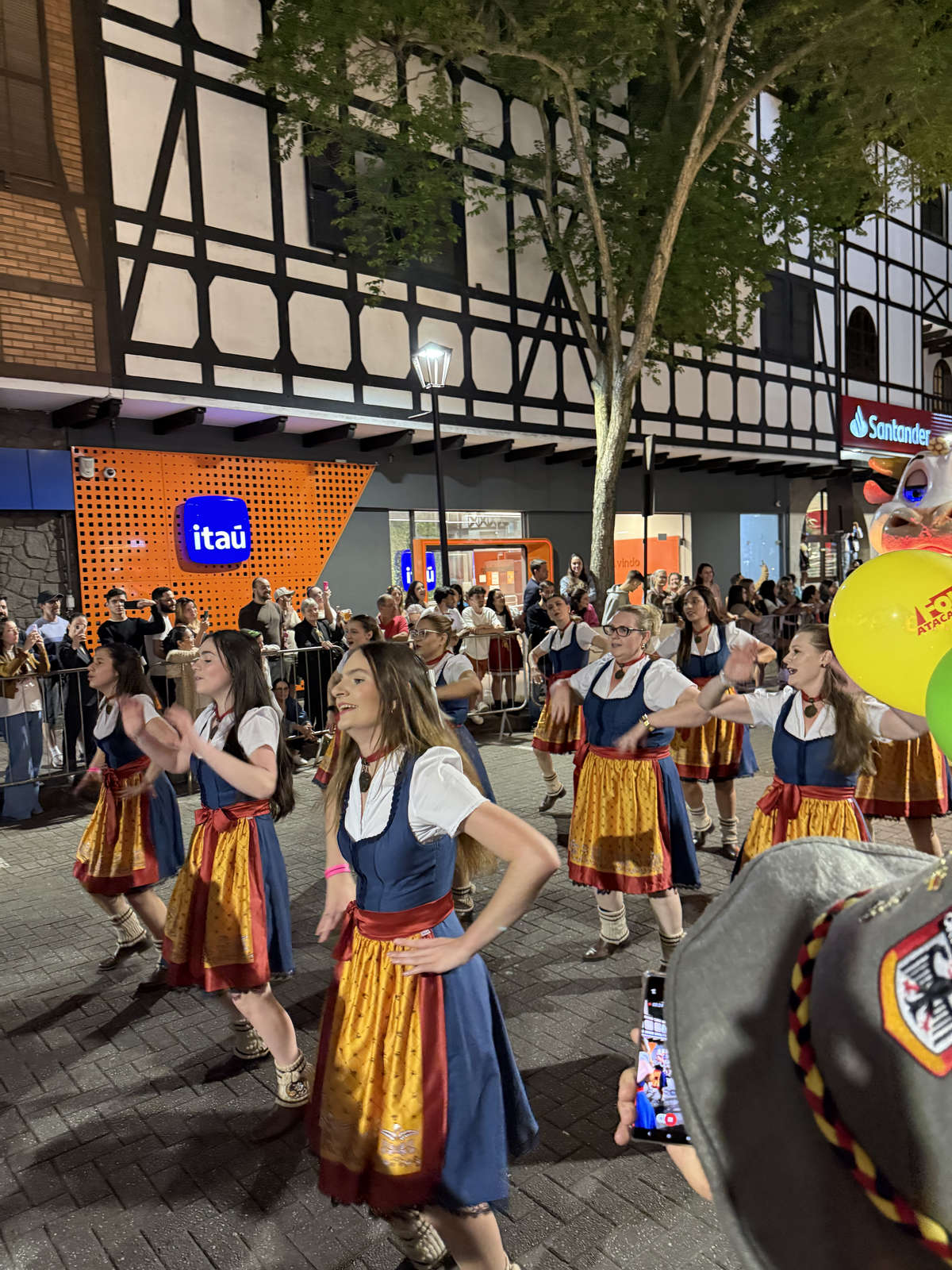
Vila Itoupava. This neighborhood, about 25 km from the city center, has particularly strong German traditions. Its parade follows Rua Henrique Conrad; more than 40 groups took part in 2025.
Joining the parade. Visitors can participate, too. The organizers offer free registration for Grupo Blumenau, with 900 places available. You need a costume that meets the festival rules and must register through the parade participant form. Preregistration opened on September 16, 2026; the form will show whether places are still available.
For a first visit, choose dates that let you catch at least one parade in the city center.
What to eat and drink
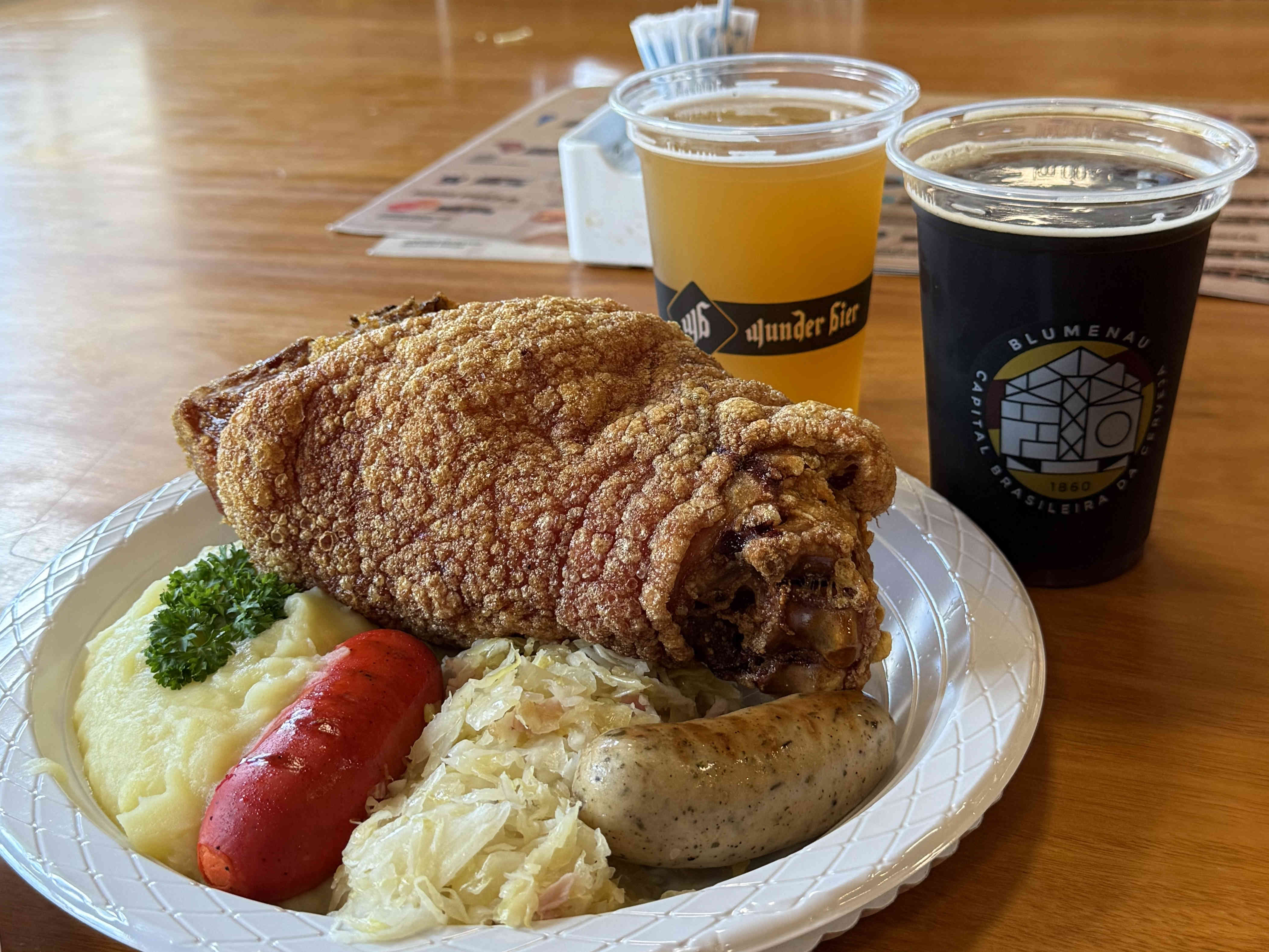
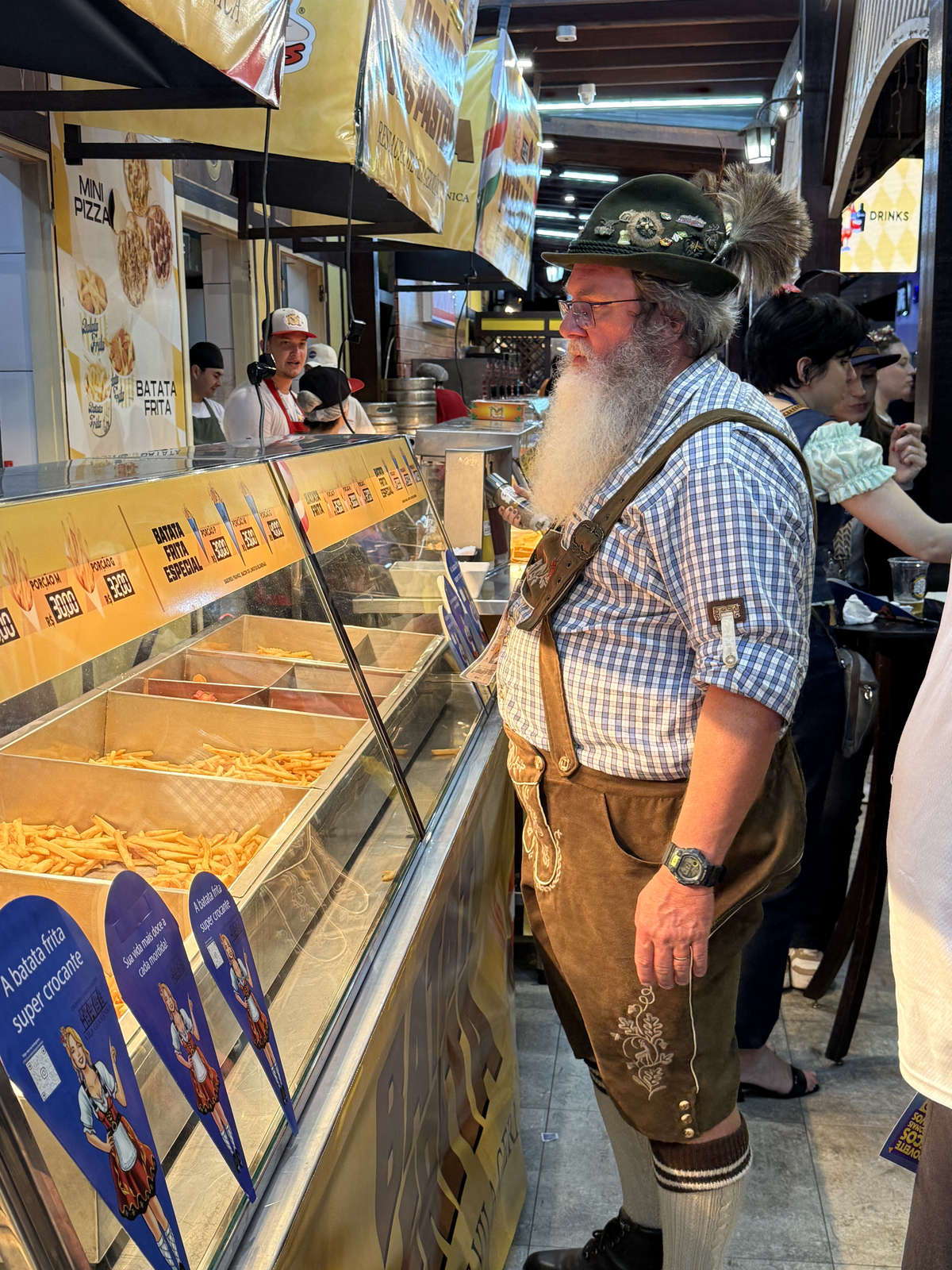
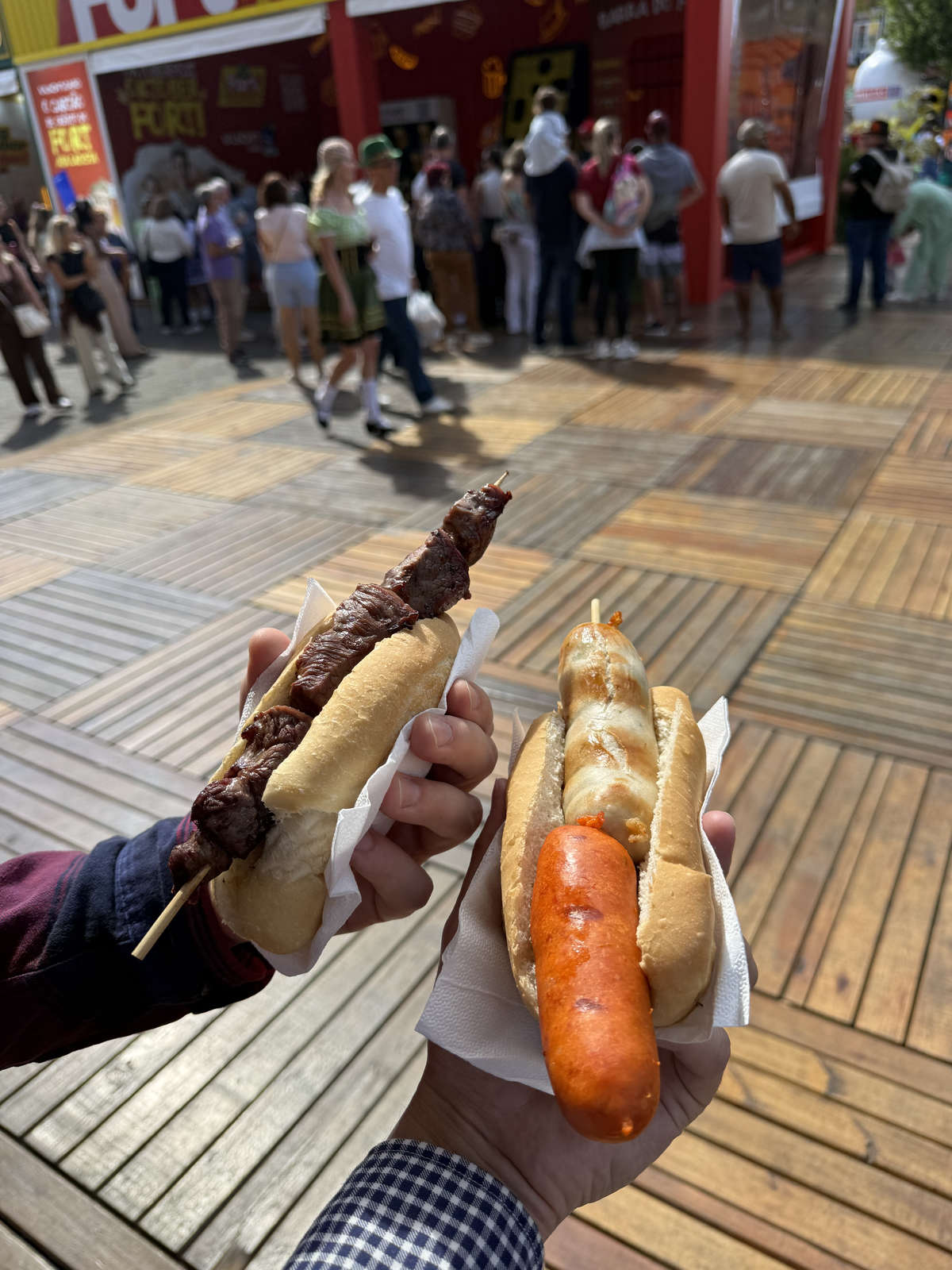
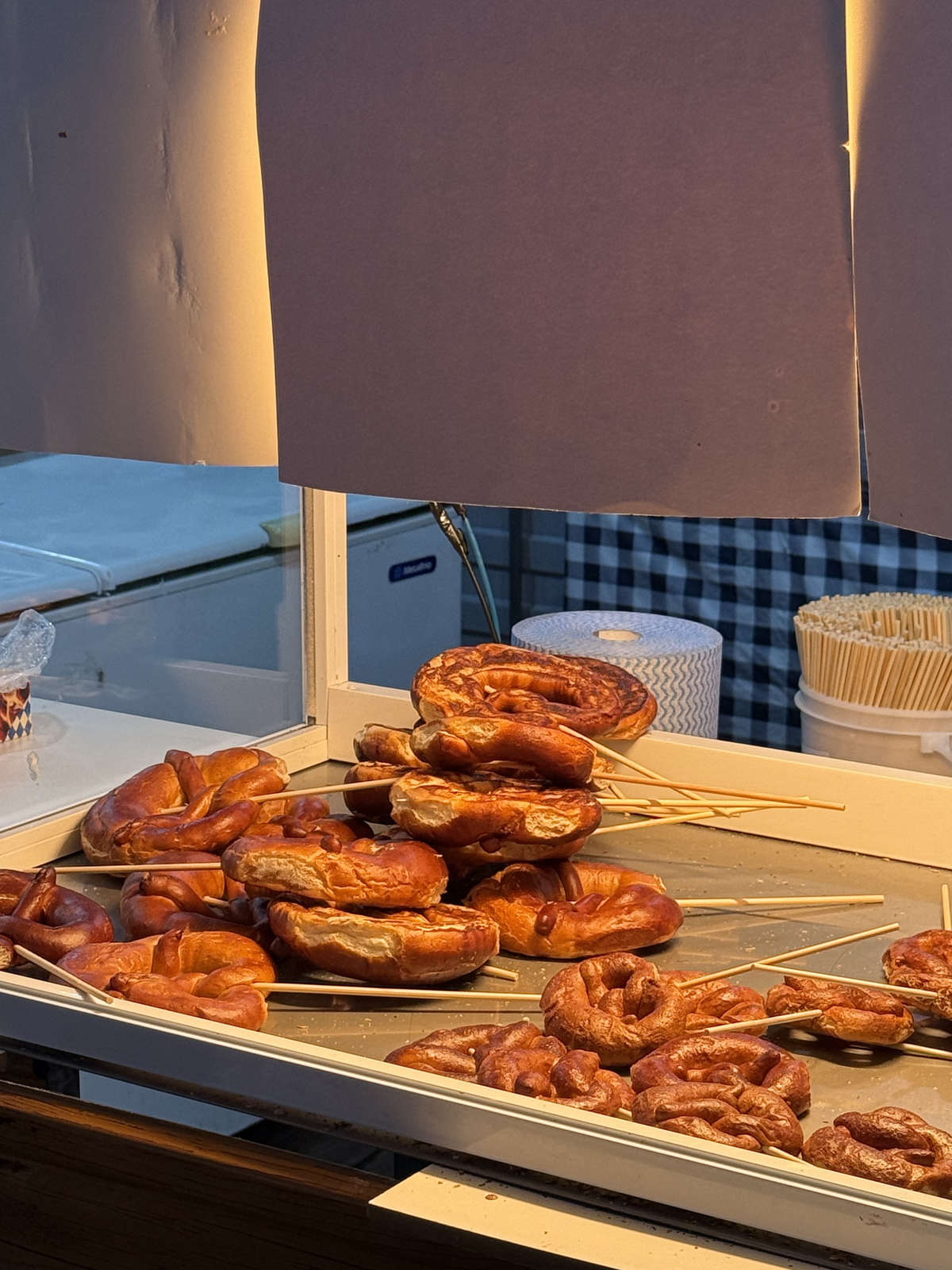
The organizers advertise more than 150 German dishes. You do not need a catalog of all 150, so here are seven food and drink options to start with. The foods appear among the specialties on the official festival page; chope de vinho is listed in the 2026 drinks price list.

| Name | What it is |
|---|---|
| Bratwurst | Grilled sausage |
| Spätzle de linguiça Blumenau | Spätzle (soft egg dumplings) with local linguiça Blumenau sausage |
| Joelho de porco com osso | Pork knuckle on the bone |
| Bretzel | Pretzel |
| Strudel de maçã | Apple strudel |
| Rollmops | Pickled herring rolled around onion or a pickled cucumber |
| Chope de vinho | A sparkling wine-based drink served from a tap, like draft beer |
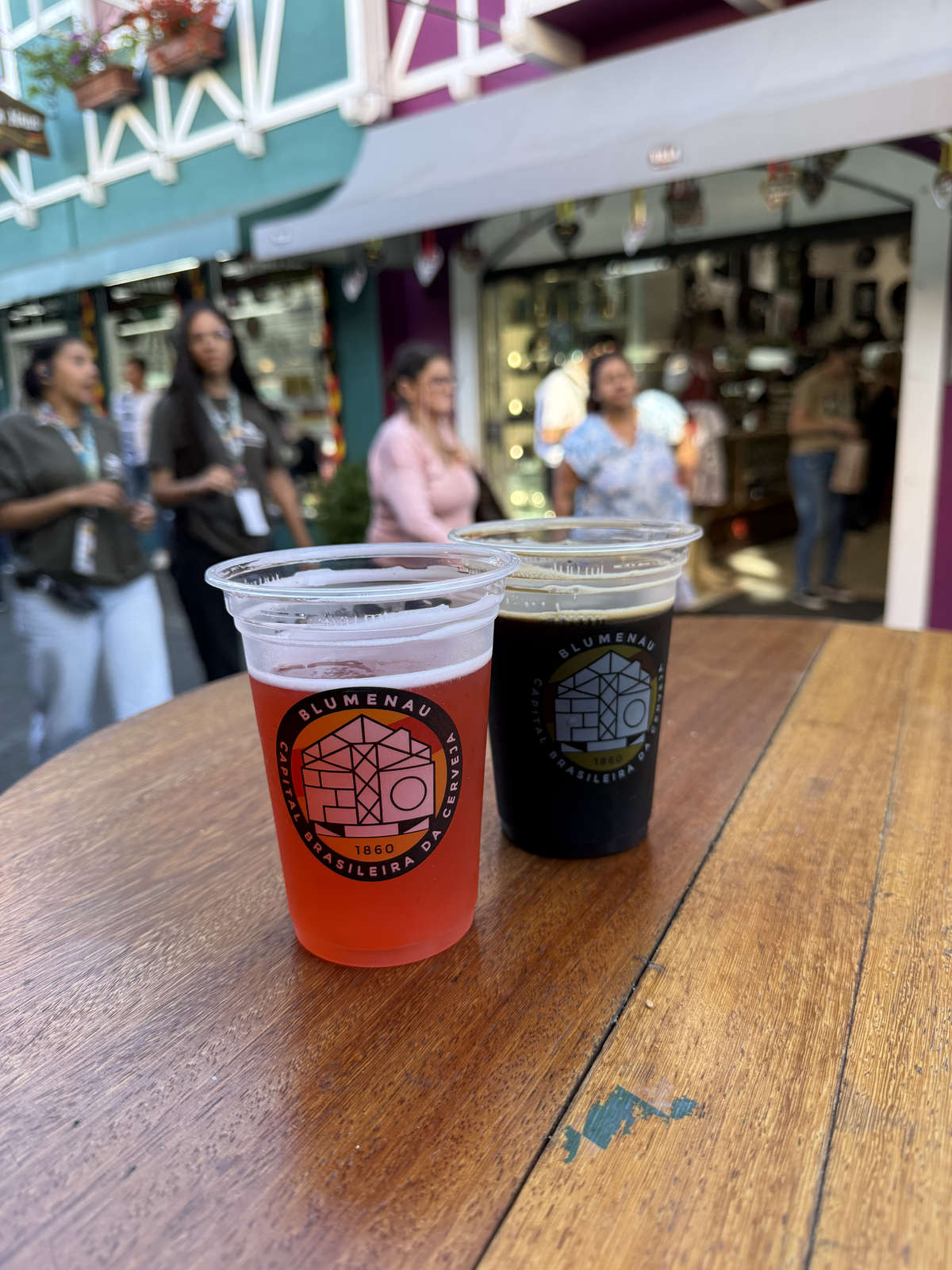
How to pay. In 2026, the cashless Oktober Karte is the only way to pay for food, drinks, and attractions at the festival. A R$10 deposit is deducted from your balance when you activate it. You can top it up at ticket offices and self-service terminals inside and outside the park. From September 17, 2026, advance online top-ups are also available through the “Ingressos” tab on the official website. If your balance is too low, the purchase will be declined. Remaining credit can be refunded if you return the card before the festival ends. Unused funds do not carry over to the following year: they go into a municipal fund.
Queues. Lines are longest in the evening, especially on Fridays and Saturdays. Vambora recommends arriving early, preferably before 20:00, and loading enough credit for the whole evening in one go.
How many days to allow
Allow at least two nights if you only want to experience the festival. Three nights, or roughly three full days, is ideal: one day for the city, one for a parade and an evening at Vila Germânica, and one for a second, more relaxed visit. Allow four nights if you add Vila Itoupava or Pomerode. Build the trip around the parade schedule.
A sample weekend with a Saturday parade, using 2026 dates:
| Day | What to do |
|---|---|
| Friday, October 16 | Daytime flight to Navegantes, transfer (1–1.5 hours), and check-in. Evening in the center: Rua XV de Novembro and dinner. On Friday, park admission is charged from 18:00 (R$60), so you can keep this evening free. |
| Saturday, October 17 | Museums in the center in the morning. Parade on Rua XV de Novembro at 16:00. Vila Germânica in the evening: paid admission starts at 13:00 (R$80). Arrive before 20:00 and top up your card straight away. |
| Sunday, October 18 | A second visit to the park or a trip to Pomerode. Park admission is charged from 13:00, at R$24. |
For a weekday option, consider Wednesday, October 14 or 21: park admission is free before 18:00, the parade in the center starts at 19:30, and entry to the park after 18:00 costs R$24.
What to see in Blumenau beyond the festival
The city center and Rua XV de Novembro are about 2.5 km from the park. Three museums near the street can be visited in around one and a half to two hours:
| Place | Location | Opening hours (2025–2026 information) | Admission |
|---|---|---|---|
| Museu da Cerveja | Rua XV de Novembro, 160 | Daily, around 09:30–16:00; closed on the last Sunday of the month (October 25 in 2026) | See the museum website for prices; children under 12 enter free |
| Museu da Família Colonial | Alameda Duque de Caxias, 67 | Tuesday–Sunday, 10:00–16:00; closed Mondays | R$12 / R$6 |
| Mausoléu Dr. Blumenau | Within the Museu da Família Colonial complex | Tuesday–Sunday, 10:00–16:00 | Free |
Museu da Família Colonial occupies three houses from the 19th and 20th centuries, the oldest dating to 1858. Its collection contains around 6,200 objects. Mausoléu Dr. Blumenau opened in 1974 and is the burial place of the city's founder and his family. Museu da Cerveja opened in 1996 and offers tours and tastings. Museum opening hours change, so check them the day before your visit.
If you have another day, there are two options. Vila Itoupava, about 25 km from the center, offers a look at German heritage in a residential neighborhood, while Pomerode is around 30 km from Blumenau. Do not try to fit twenty stops into one day: if you stay at the park until 02:00 or 03:00, one museum and a late breakfast are plenty for the next morning.
How to get there from Rio and São Paulo
Blumenau has no airport with scheduled flights. The nearest is Navegantes, airport code NVT, 55–59 km from the city. The drive takes around 1–1.5 hours, depending on traffic.
There are direct flights from Rio to Navegantes, taking about 1 hour 35 minutes. Check airlines and departure times for your specific dates: flight comparison sites differ on which carriers operate the route. There are also direct flights to Navegantes from São Paulo and Campinas. The bus from Rio takes around 18 hours, making flying the practical choice. Fares for festival dates usually rise in the final weeks, so booking ahead makes sense.
If flights to Navegantes are unavailable, alternative airports include Joinville, around 1.5 hours away by car; Florianópolis, around 2 hours; and Curitiba, around 3 hours.
The easiest ways to reach Blumenau from the airport are a prebooked transfer, a taxi, or a ride app. A shuttle bus also runs between the airport and the city; guidebooks name the operator as Transportes Executivo. Confirm its timetable and fare before traveling. You do not necessarily need a car for the whole stay: if the festival and beer are your priorities, you can manage without one. Brazil has zero tolerance for alcohol when driving, and the BR-470 road between Navegantes and Blumenau is known for serious accidents.
Where to stay
The best base is somewhere within walking distance of Vila Germânica or a short taxi ride away, in the Velha neighborhood. The other option is the center near Rua XV de Novembro, which is convenient for parades, with taxis or buses to the park. Guidebooks report that hotels near the park fill up weeks before the festival. According to Blumenau's hotel association, Sihorbs, average hotel occupancy during the 40th festival in 2025 was 83.85%, the highest figure in recent years.
Weather and what to pack
October is spring in Blumenau. Climate averages put the daily low at around 16°C and the high at around 23°C. Rain is common: the city's AlertaBlu warning system gives an October average of 136 mm. October 2023 was the wettest since records began in 1981, with 453 mm of rain and four floods. The festival was suspended on October 6–10 and 12, then extended through October 29. This is unusual, but it explains why accommodation with free cancellation is useful and why you should follow official announcements. Pack a light jacket for the evening and a raincoat.
You cannot bring glass items, food or drinks, electronic cigarettes, selfie sticks, professional cameras with interchangeable lenses, video cameras, or chairs into the park. Phones are allowed for taking photos. You cannot leave and re-enter the park on the same day.
Tickets and prices in 2026
Tickets are valid only for the selected date and are not issued in the holder's name. Buy online through the official ticket page, with a 10% service fee added. Payment is available through PIX and Brazilian Visa, Mastercard, and Elo cards; foreign cards often fail. Buying at a ticket office outside the park may be easier. The ticket offices around the park open from October 7, accept cash, and do not charge the service fee. Capacity is limited, so for weekends, buy ahead or arrive well in advance.
The table shows admission prices by date. Entry is free before the time listed.
| Dates | Paid admission starts | Full / half-price |
|---|---|---|
| October 7 and 8 (Wed, Thu), October 13 (Tue), October 19 and 20 (Mon, Tue), October 25 (Sun) | No charge; free all day | — |
| October 14, 15, 21, and 22 (Wed, Thu) | 18:00 | R$24 / R$12 |
| October 18 (Sun) | 13:00 | R$24 / R$12 |
| October 9, 16, and 23 (Fri) | 18:00 | R$60 / R$30 |
| October 12 (Mon, public holiday) | 13:00 | R$40 / R$20 |
| October 10, 17, and 24 (Sat), October 11 (Sun, eve of a public holiday) | 13:00 | R$80 / R$40 |
If you enter before paid admission begins, you do not have to pay extra to remain in the park afterward.
Children. Children under 12 enter free when accompanied by an adult. Children under 16 may enter only with a relative and a document proving the relationship. Teenagers aged 16–18 receive a wristband on entry; they are not allowed alcohol.
Drinks. The 2026 prices for draft beer and other drinks:
| Drink | Serving size and price |
|---|---|
| Chope pilsen (standard draft pilsner) | 400 ml — R$17; 600 ml — R$30 |
| Chope Spaten (the official festival partner's beer) | 400 ml — R$17; 700 ml — R$30; four 400 ml servings — R$66 |
| Specialty beers | 400 ml — R$19; 700 ml — R$33; four 400 ml servings — R$74 |
| Super-specialty beers (seasonal) | From R$21; 400 ml only |
| Chope de vinho | 400 ml — R$19; 700 ml — R$33 |
| Glass mug at Galegão and Festzelt | 500 ml — R$21; 1 liter — R$41 |
| Non-alcoholic / gluten-free beer | R$15 / R$16 |
| Water / soft drink / tonic water / energy drink | R$7 / R$9 / R$12 / R$20 |
According to the park, the festival features nine local craft breweries and more than 130 beers. Free ultrafiltered water stations are available throughout the grounds. Food prices vary by pavilion: check the menus on site and budget for meals separately.
A sample budget for one Saturday evening, excluding food: R$80 admission plus the 10% online fee comes to R$88; three 400 ml pilsners cost R$51, bringing the total to R$139. Buy your ticket at the park's ticket office and the total is R$131.
Who will enjoy it, and who might not
The festival caters to all ages. Daytime suits families and anyone interested in local traditions, food, and music. Evenings are better for those who enjoy crowds, loud music, and dancing in front of a stage.
If you dislike big events, queues, and loud music, visit during the day on a weekday. In 2026, admission is free all day on ordinary Mondays and Tuesdays, and before 18:00 from Wednesday to Friday. Guidebooks describe weekdays as noticeably quieter than weekends. On Saturday evenings, especially after 20:00, the pavilions fill to capacity.
Before you go: what to decide
If your picture of Brazil is Rio, waterfalls, and the Amazon, Blumenau shows another side: daytime temperatures around 23°C, German bands instead of samba, and bratwurst and draft beer instead of caipirinhas. Two to four days is enough to experience it.
Make five decisions before you go. Choose a day with a parade in the center: October 7, 10, 12, 14, 17, 21, or 24. Choose your park evening with admission prices in mind: in 2026, Wednesdays and Thursdays cost R$24, Fridays R$60, and Saturdays R$80. Book your flight to Navegantes and arrange a transfer. Reserve accommodation near the park or Rua XV de Novembro with free cancellation. Top up your Oktober Karte online. Before flying, check the official website for the Vila Itoupava parade date and the time paid admission begins.
If you would like to explore German food before heading to Blumenau, start with our German food route through Rio: four historic venues, dishes, prices, and a practical order of stops.