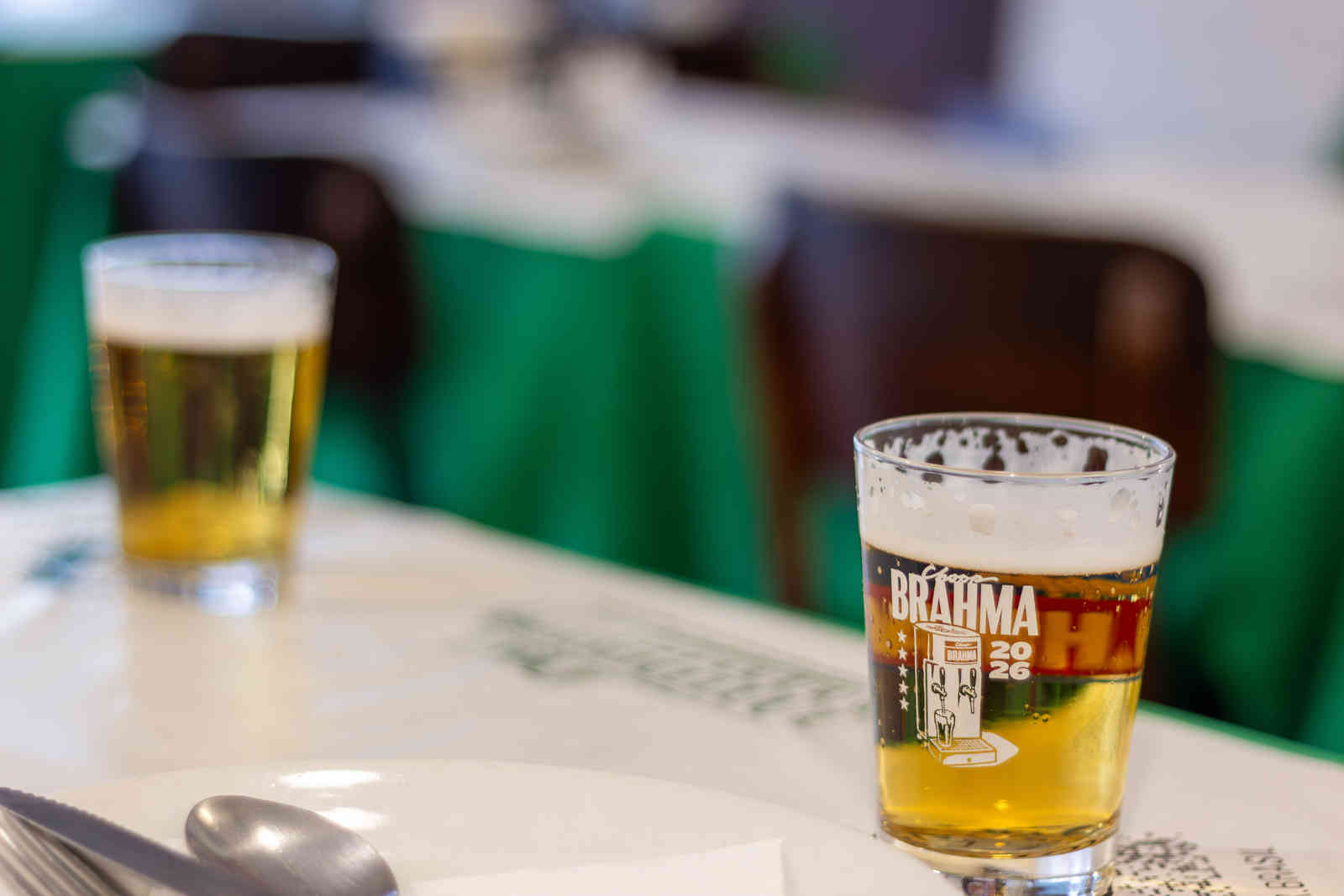
For anyone who has already seen Rio from the beach and wants another perspective on the city, this route visits four places in Centro, Lapa, and Santa Teresa where the menus have an unexpected German accent. Here is what to order, how much it costs, which days to go, and why German food took root in Rio in the first place.
In a single day, you can swap the ever-present rice, beans, and farofa for croquettes, smoked pork, sauerkraut, potato salad, strudel, and beer poured in two layers. This is no fine-dining expedition. Think old city restaurants, simple food, servers with decades of experience, and menus that stand out in Rio.
We followed the route ourselves: starting at Casa Urich, continuing to Bar Brasil, stopping for dessert at Ernesto, and finishing with layered beer at Adega do Pimenta. You can follow the whole route, change the order, or choose just one place. Below, we explain what works best for each kind of visit.
How the route works
The idea is simple: start downtown, continue through Lapa's old restaurants, and finish in Santa Teresa. All four stops are in neighboring districts, Centro, Lapa, and Santa Teresa, but that does not mean you have to walk from door to door. Casa Urich and Bar Brasil are a 20–25-minute walk apart through the center; Bar Brasil and Ernesto are practically on the same square in Lapa, just a couple of minutes from each other. The climb to Adega do Pimenta in Santa Teresa is another matter: the streets head uphill, and after kassler and strudel, taking an Uber makes more sense than walking up.
The main thing to check before setting out is the opening schedule. According to the published hours:
Casa Urich opens only on weekdays, Monday to Friday, and is closed on weekends;
Bar Brasil is closed on Mondays;
Ernesto is closed on Mondays and has shorter Sunday hours;
Adega do Pimenta opens every day, including weekends.
That means the only days when all four are open are Tuesday, Wednesday, Thursday, and Friday. If you go on Saturday or Sunday, you will need to leave out Casa Urich; on Sundays, Ernesto closes earlier than usual. Hours can change, so check each venue's website, Instagram, or Google Maps listing before heading out.
Our basic route:
Casa Urich — a starter and the atmosphere of an old restaurant.
Bar Brasil — smoked pork with side dishes.
Ernesto — apple strudel.
Adega do Pimenta — layered beer and sausages.
This is a starting point you can adapt, rather than a rigid itinerary. The German staples are similar at all four places: kassler, schnitzel, eisbein, pork knuckle, sausages, cabbage, potato salad, and strudel. It is easy to change the order or swap dishes between stops.
1. Casa Urich: the easiest place to start
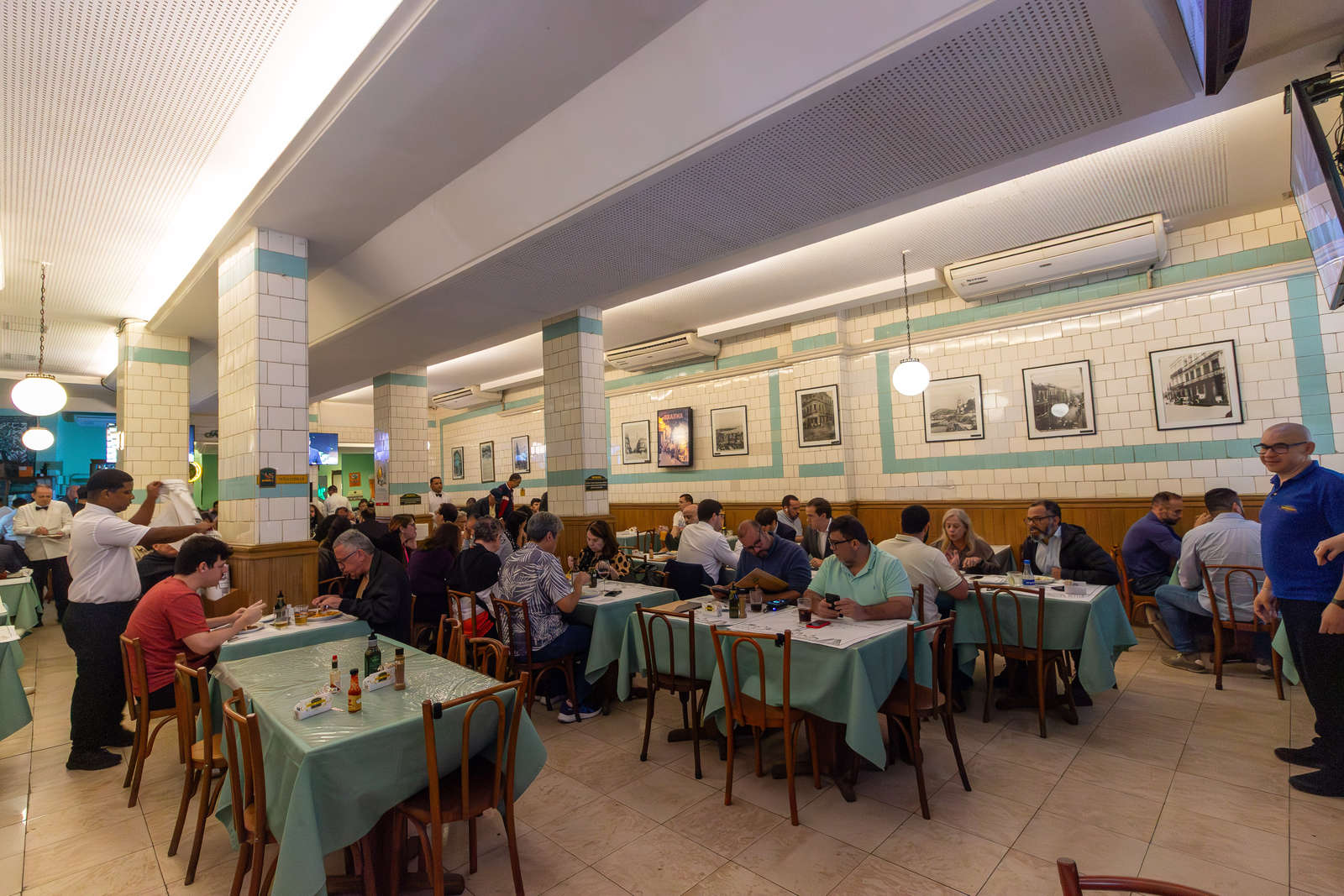
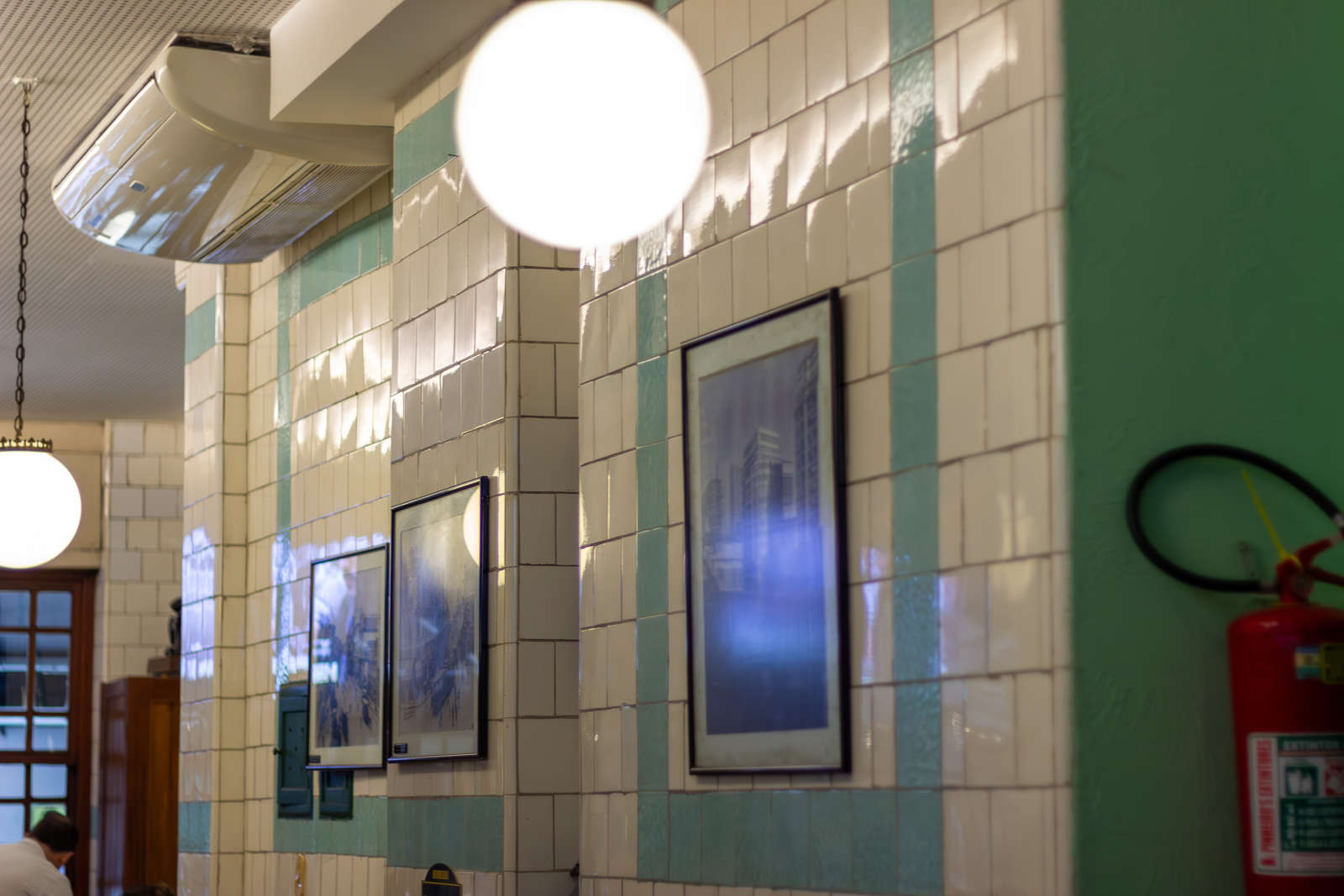
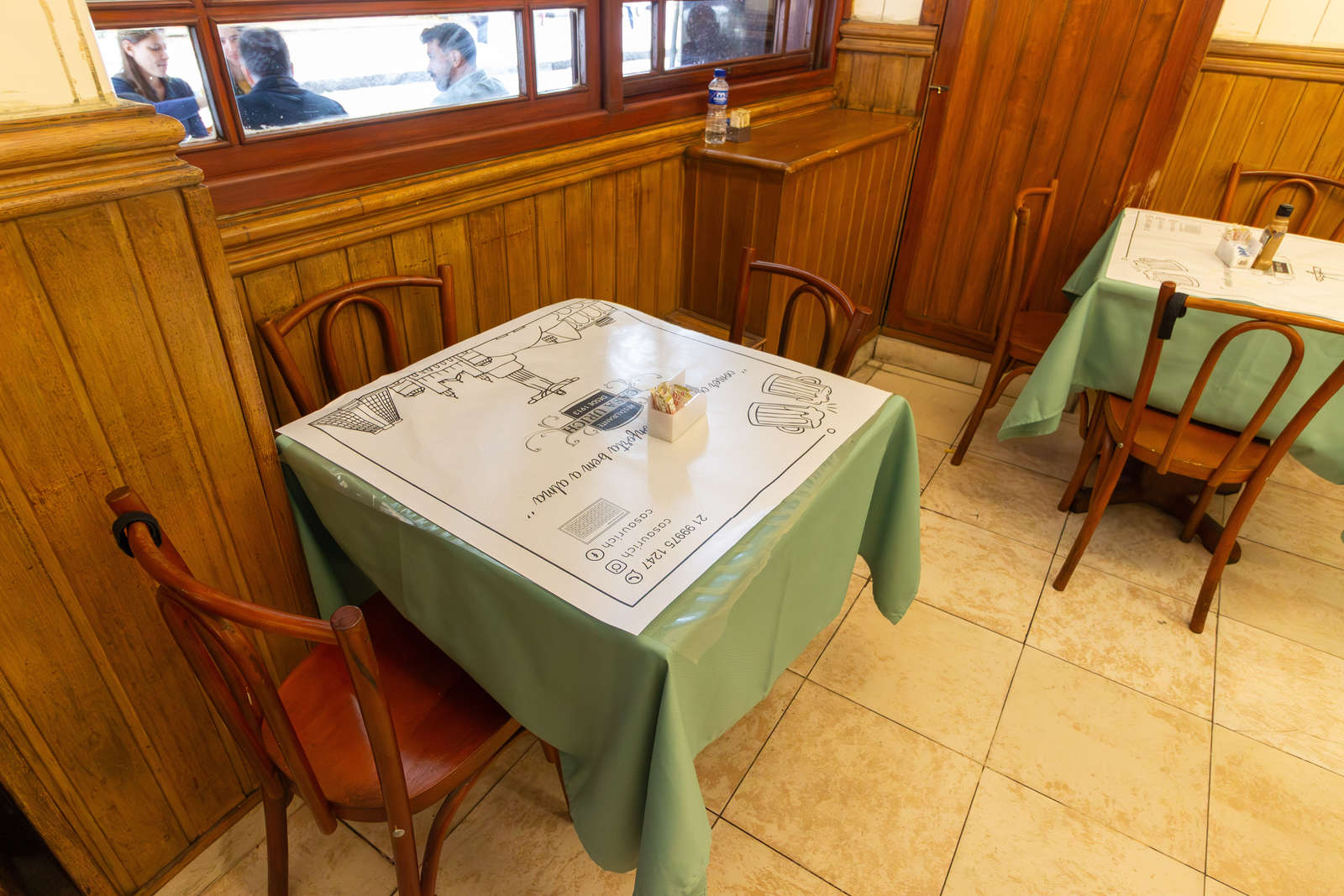
Casa Urich has been serving central Rio since 1913. According to the restaurant's own history, printed in its menu, German immigrant Edmund Urich opened it, with his wife running the kitchen from the start. Its first address was Rua Sete de Setembro, 41. In 1942, Spaniard José Gil Diéguez bought the restaurant and, in 1950, moved it to its present location at Rua São José, 50A. He commissioned architect Francisco Riveira to renovate the premises and design the logo. The original wall tiles and the overall appearance of the dining room date from that renovation. Since April 1, 1992, the restaurant has been run by siblings Orlando and Marisa Oreiro.
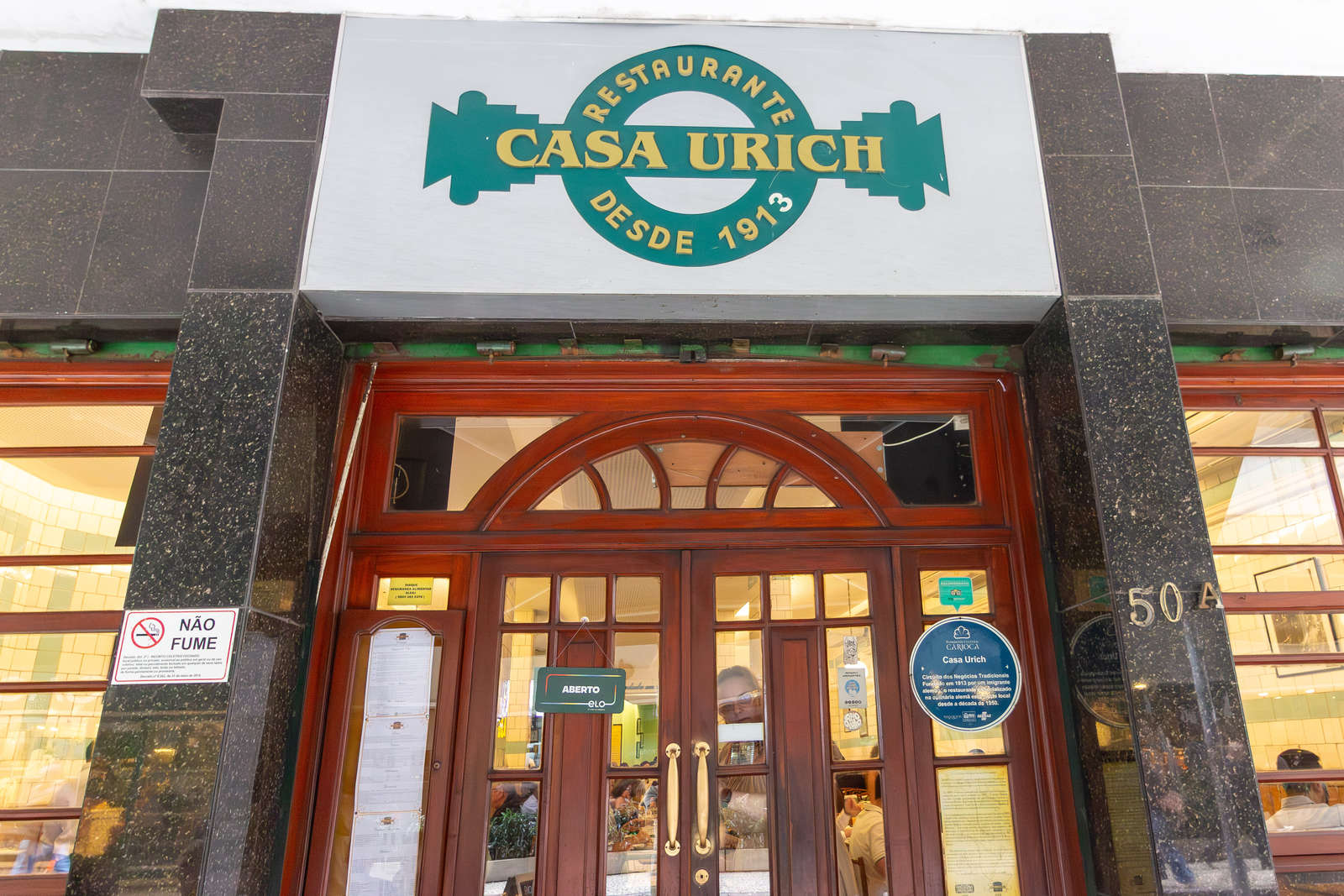
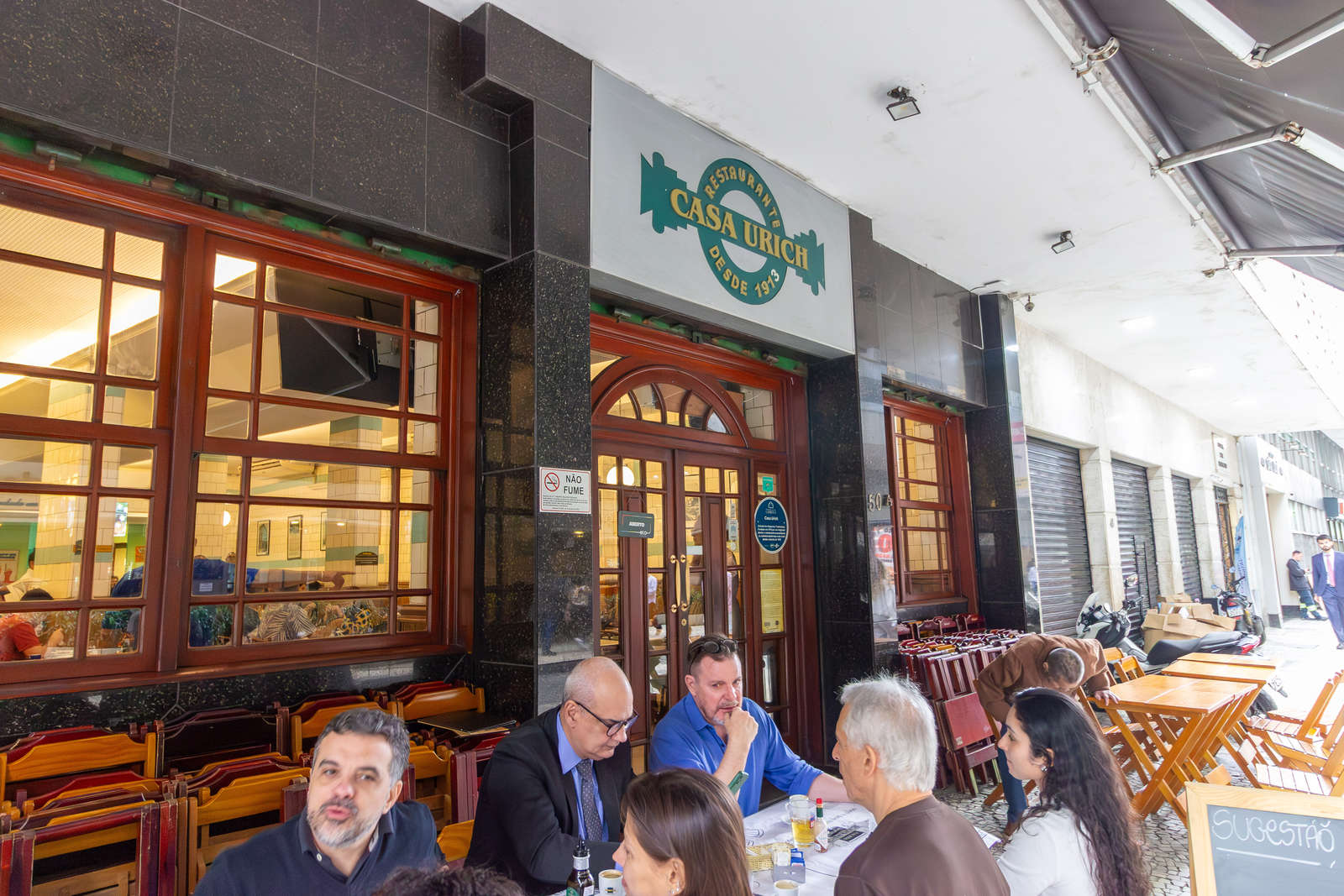
The combination of weekday-only opening, from 11:30 to 22:00, a central location, and a compact menu makes Casa Urich the easiest first stop to plan. You do not need to set aside a whole evening; you can drop in during a weekday outing downtown.
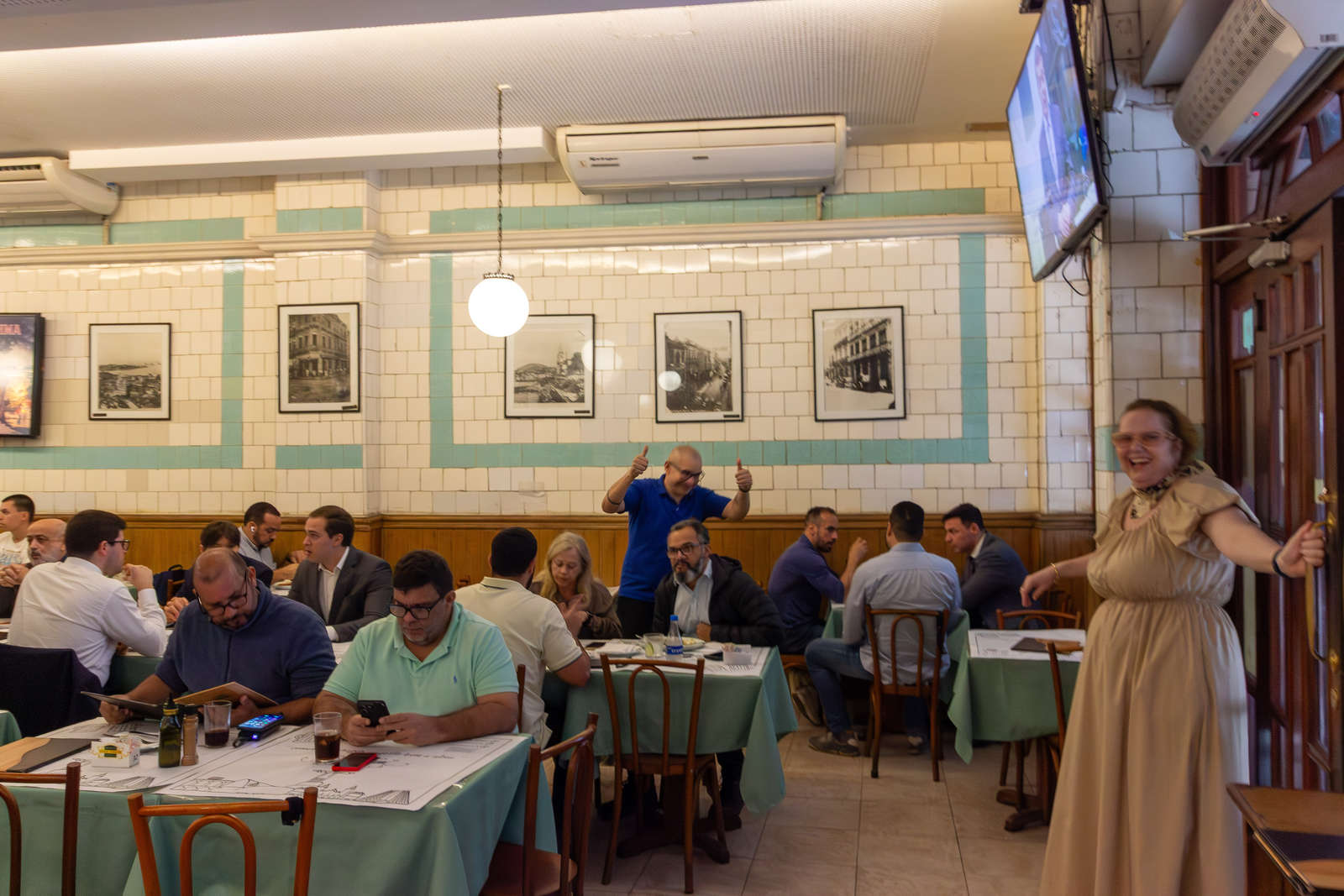
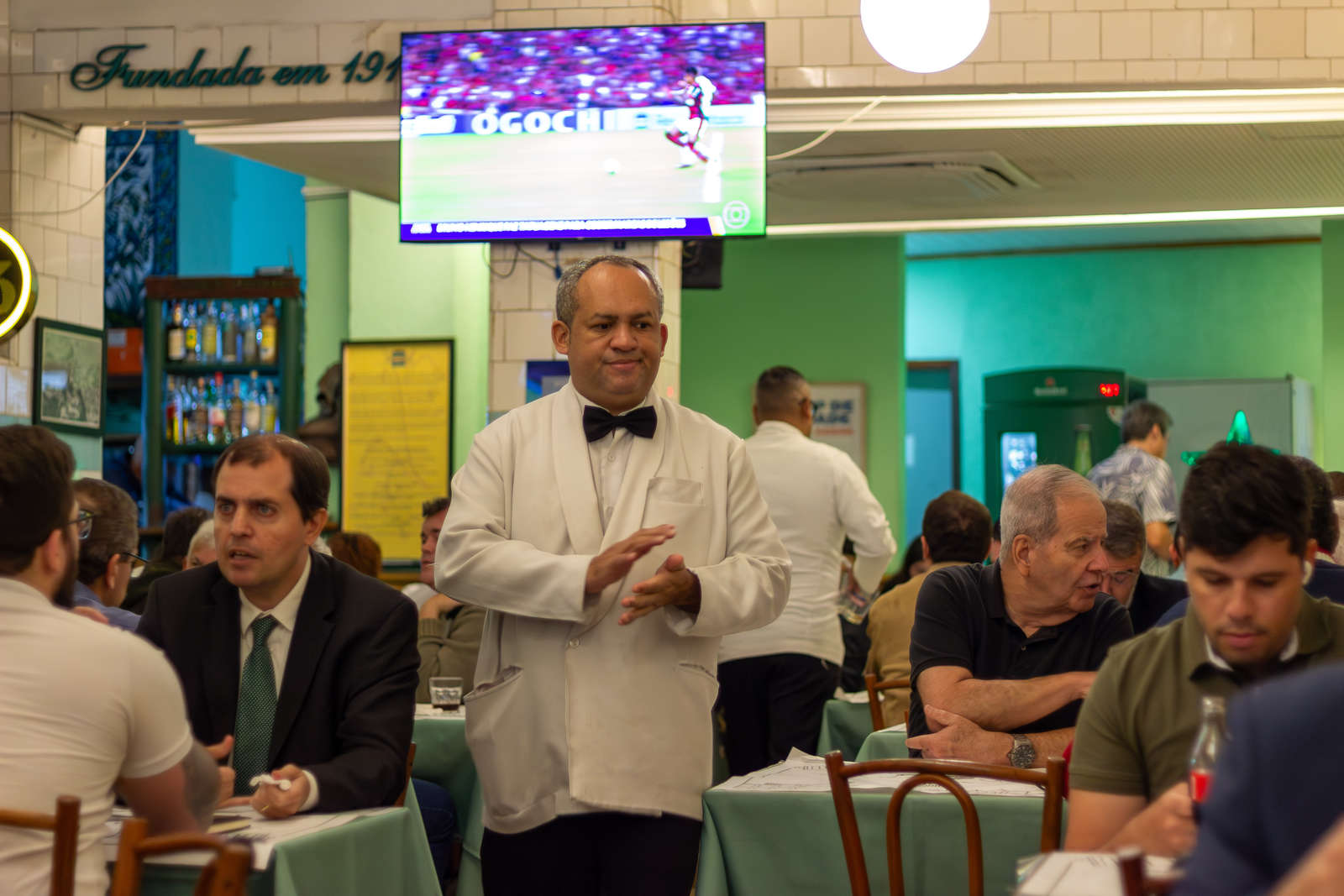
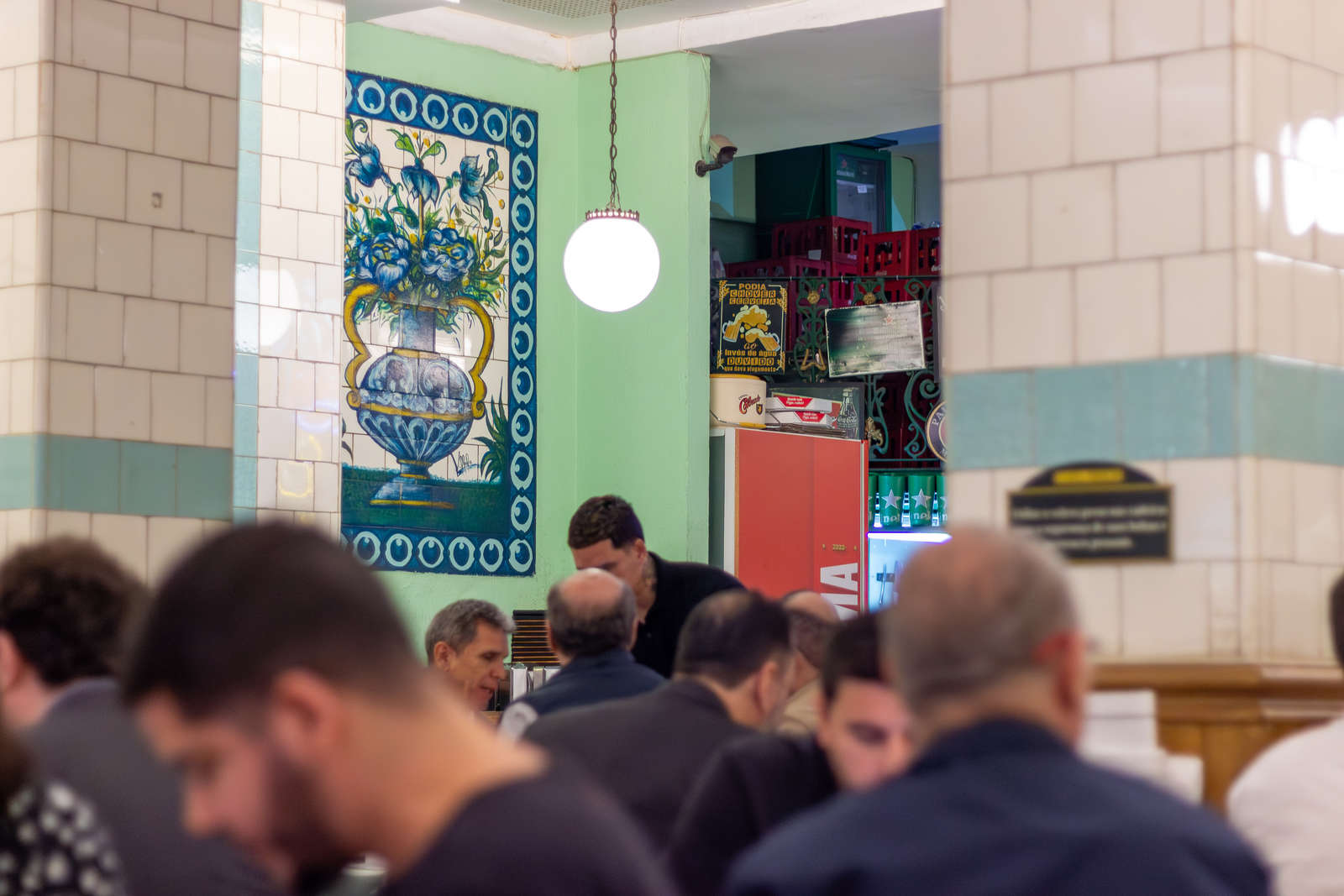
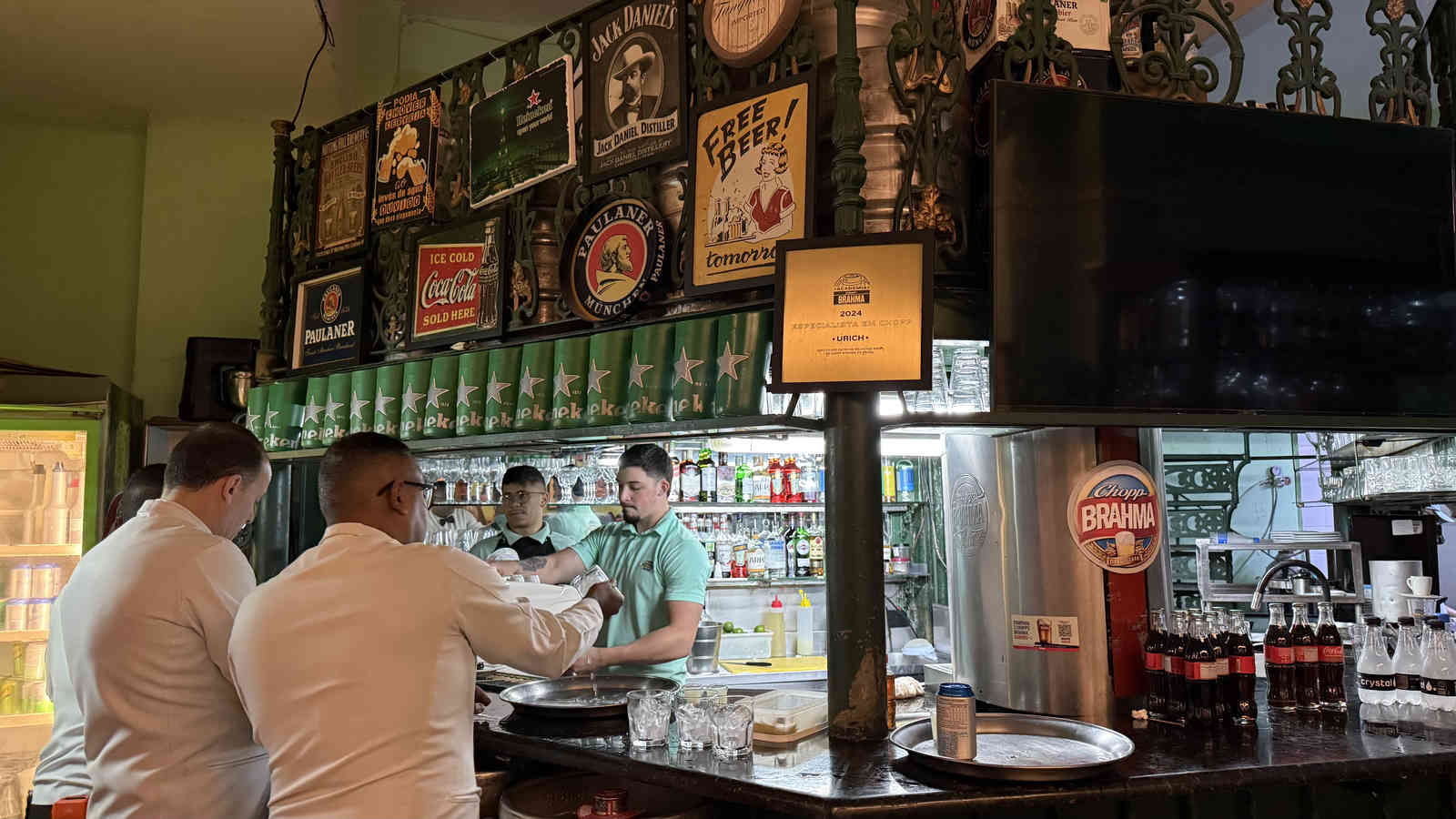
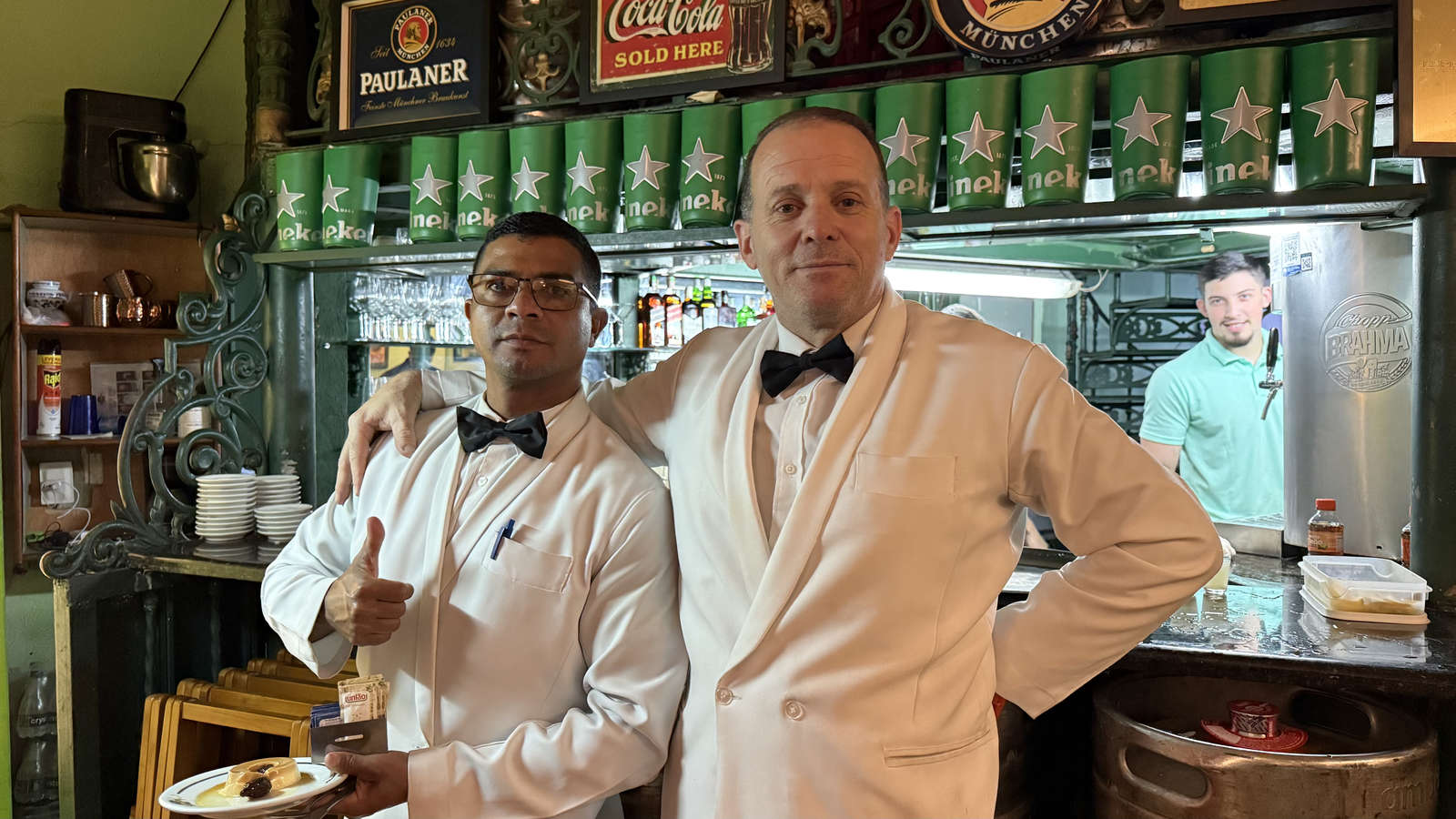
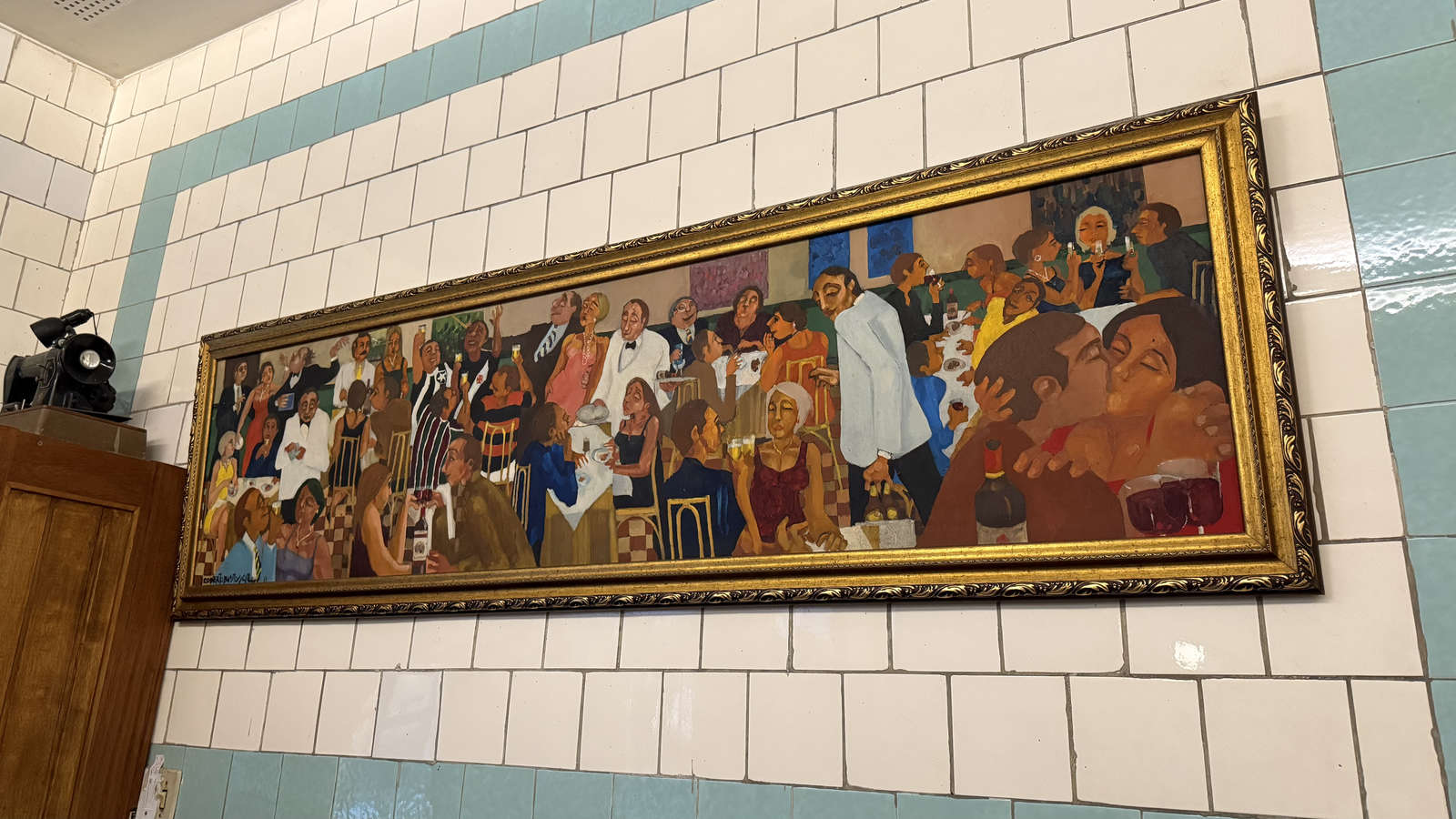
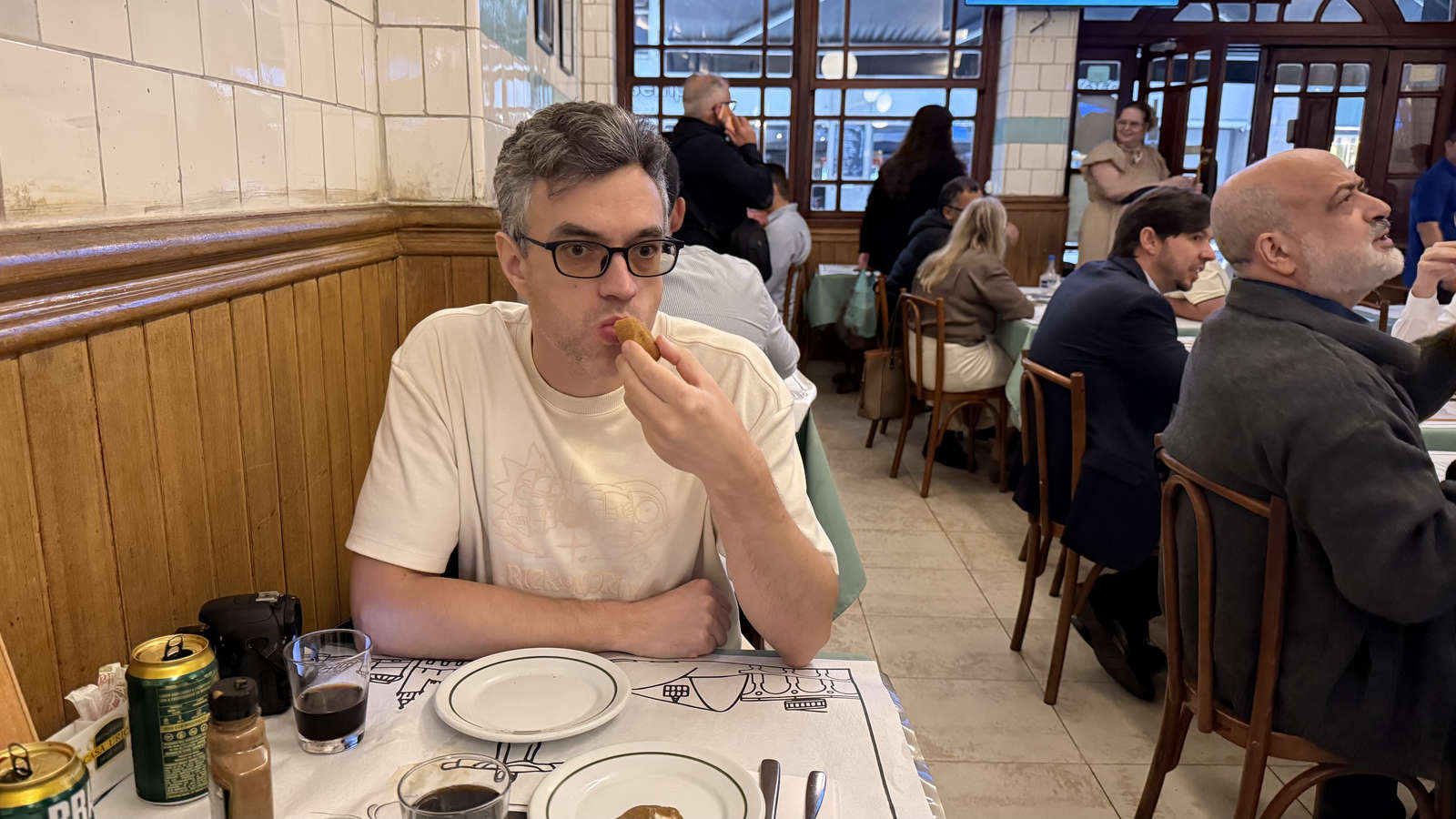
We started with a croquete de carne: finely chopped meat, breaded and deep-fried. It is a simple dish, tasty and good with beer, though not something to cross the city for. The menu sells croquettes individually, at around R$11.50 each. Here, they work as a warm-up for the rest of the route: three or four to share, a few photos, a feel for the place, and onward.
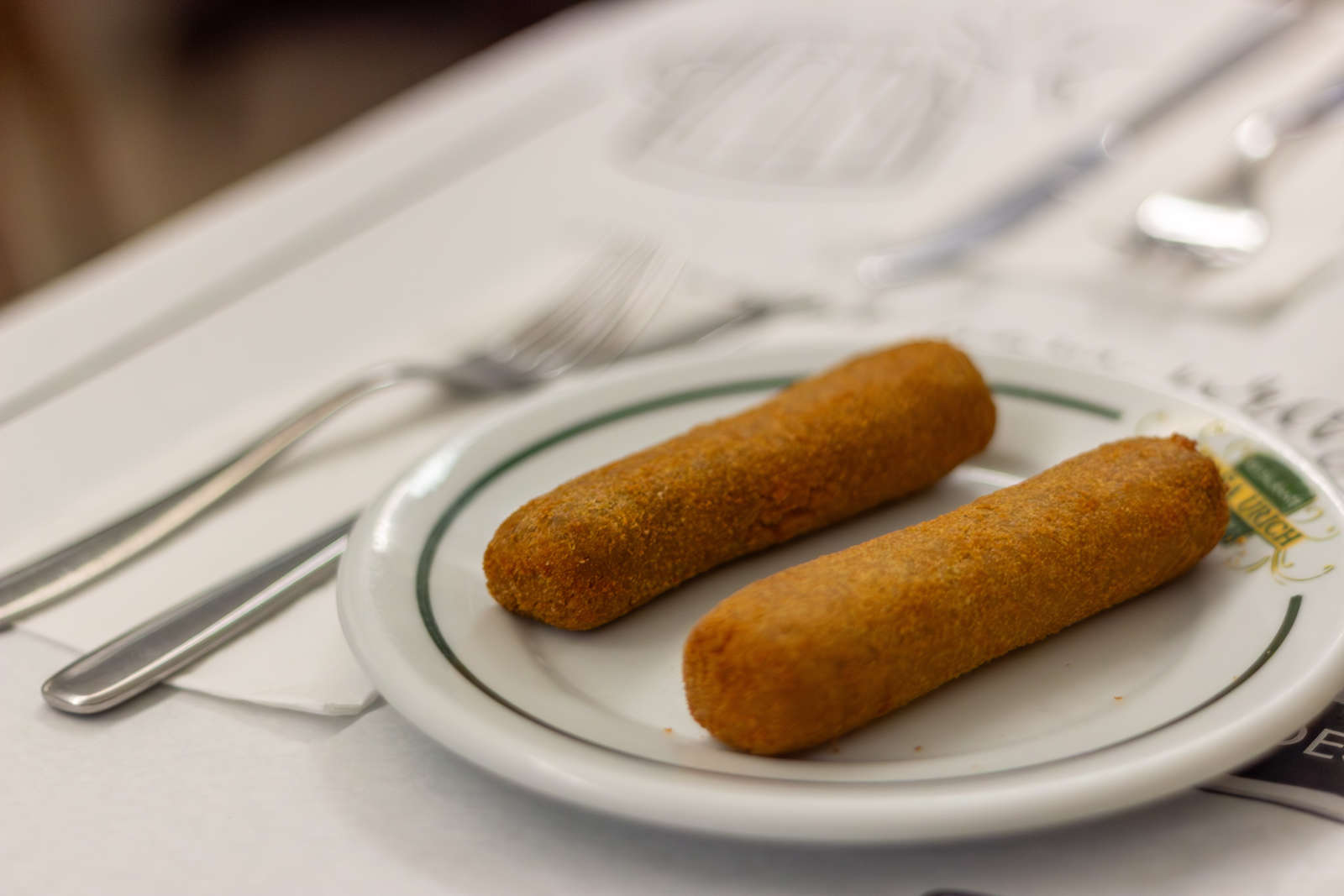
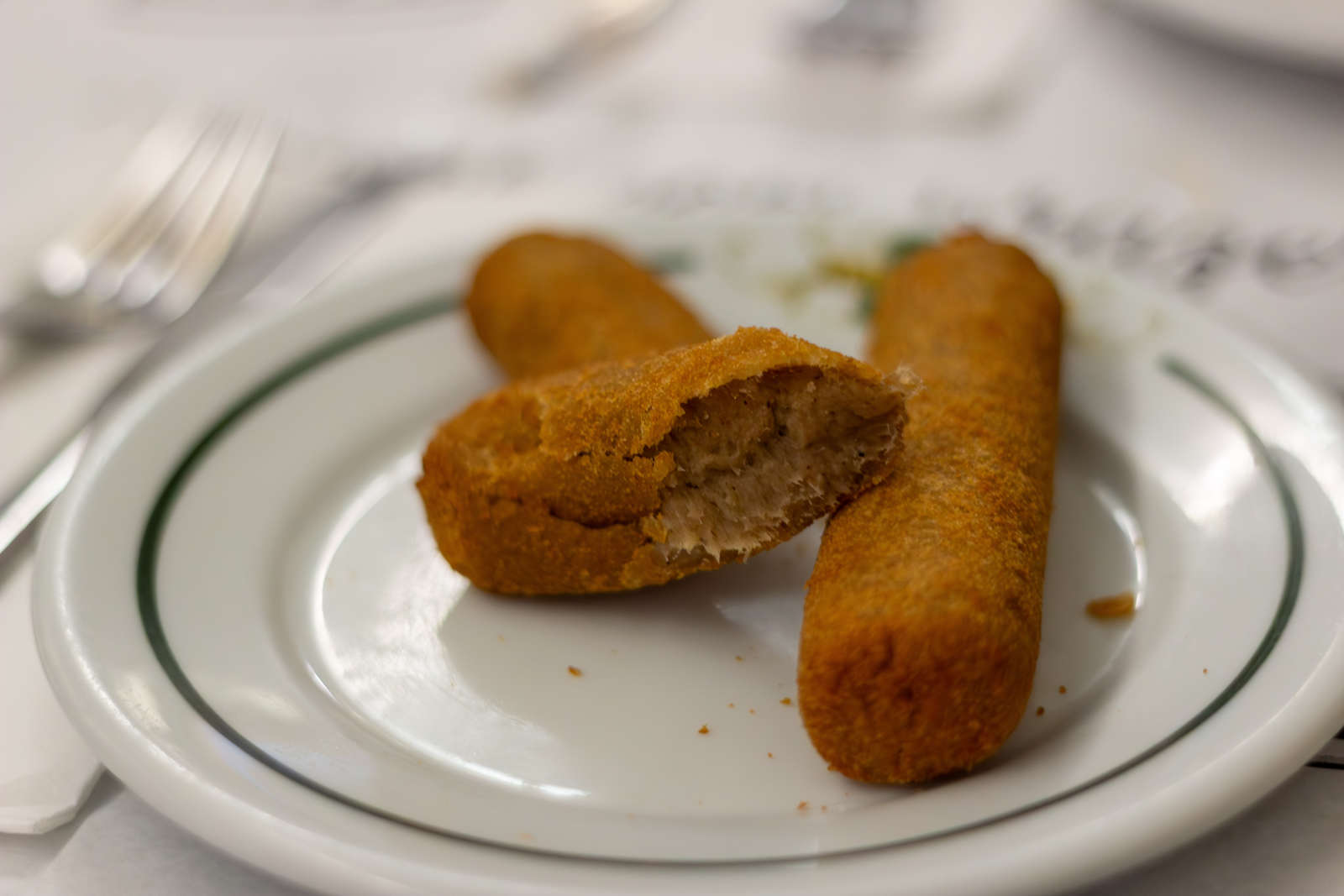
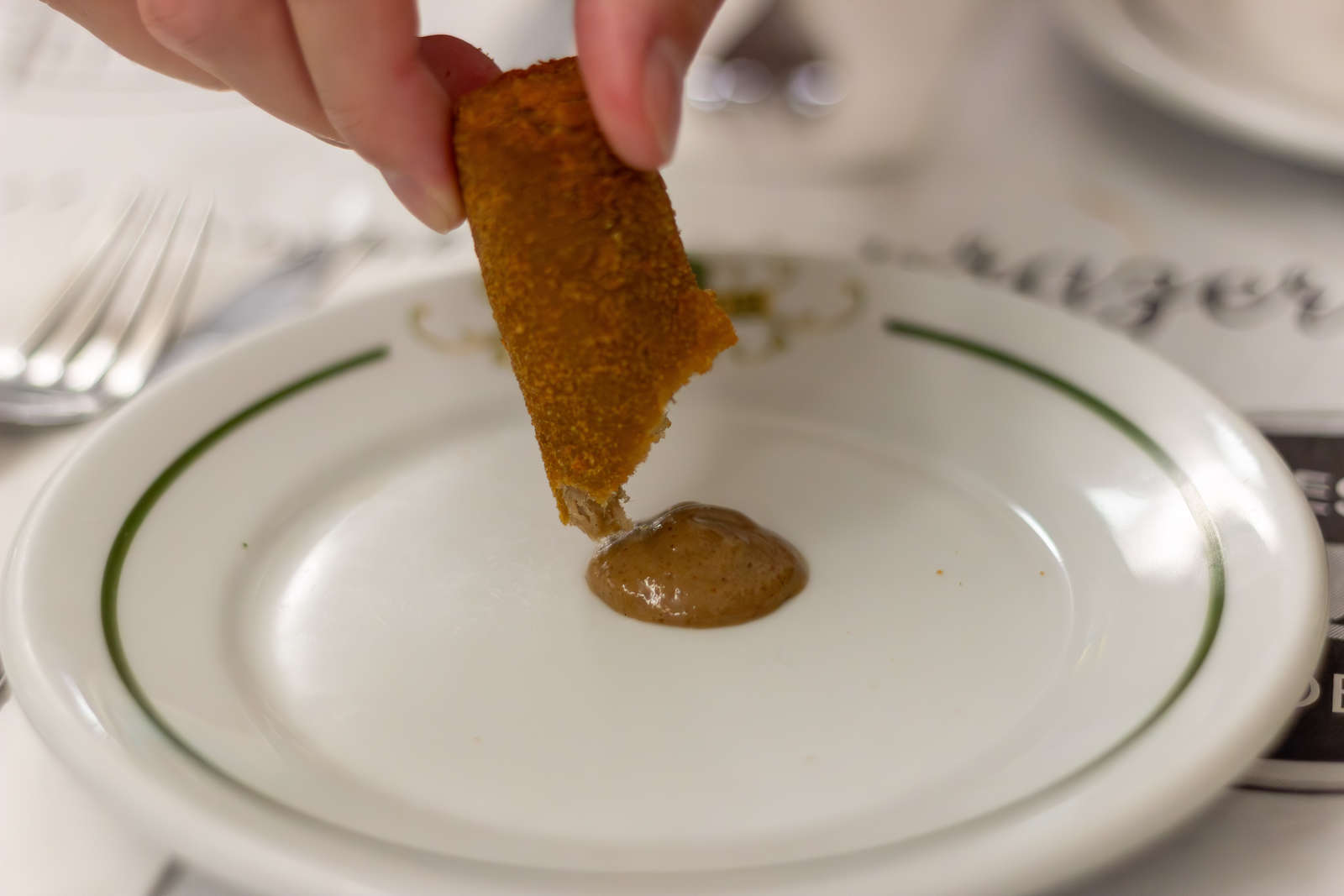
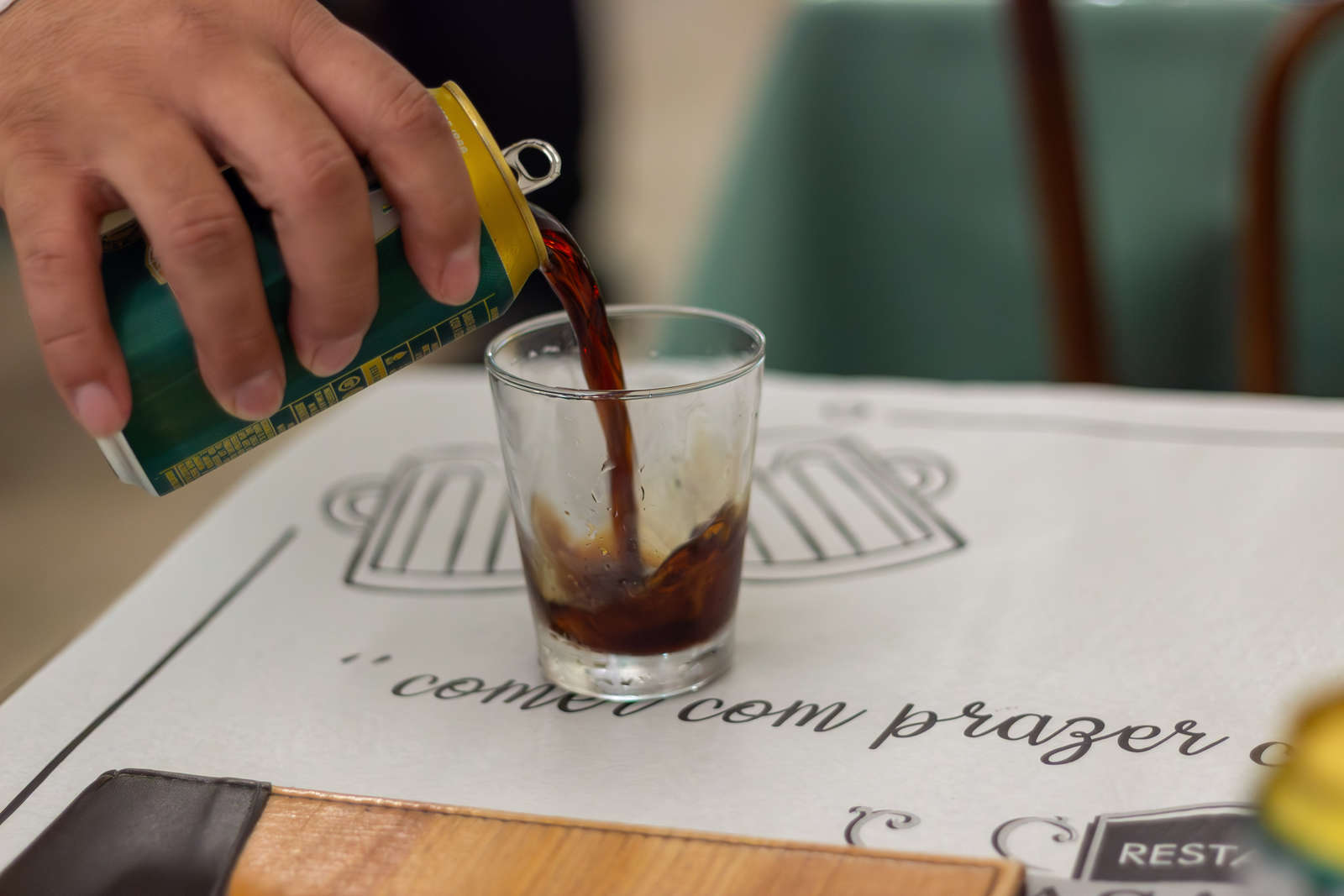
If you stay longer at Casa Urich, the menu has more substantial German dishes: schnitzel, veal sausages (salsichão de vitela), eisbein, and several versions of smoked kassler (kassler defumado), including the house version with celery and Roquefort sauce. Apple strudel, or apfelstrudel, follows for dessert. The restaurant names smoked kassler with mayonnaise-based potato salad as one of the dishes that made it famous, so if this is your only stop, that and the strudel are a sensible choice.
2. Bar Brasil: how Zeppelin became Brasil
After Casa Urich, we walked to Bar Brasil, which has a different feel. The interior is simpler: fewer tiles and less of the old-restaurant atmosphere, more of a typical bar dining room. But the menu is extensive and detailed: sausages, kassler, eisbein, schnitzel, potato salad, cabbage, lentils, and strudel.
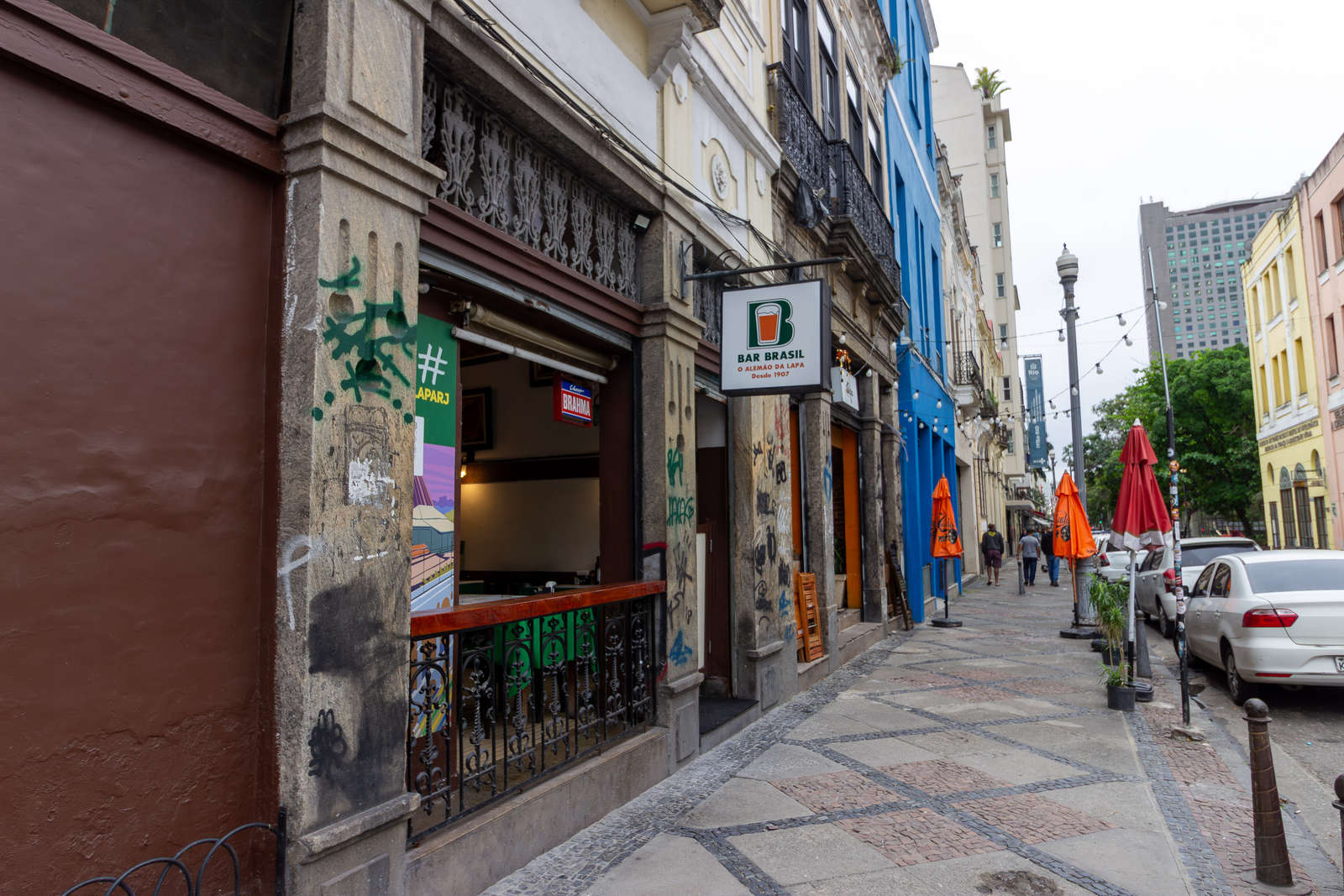
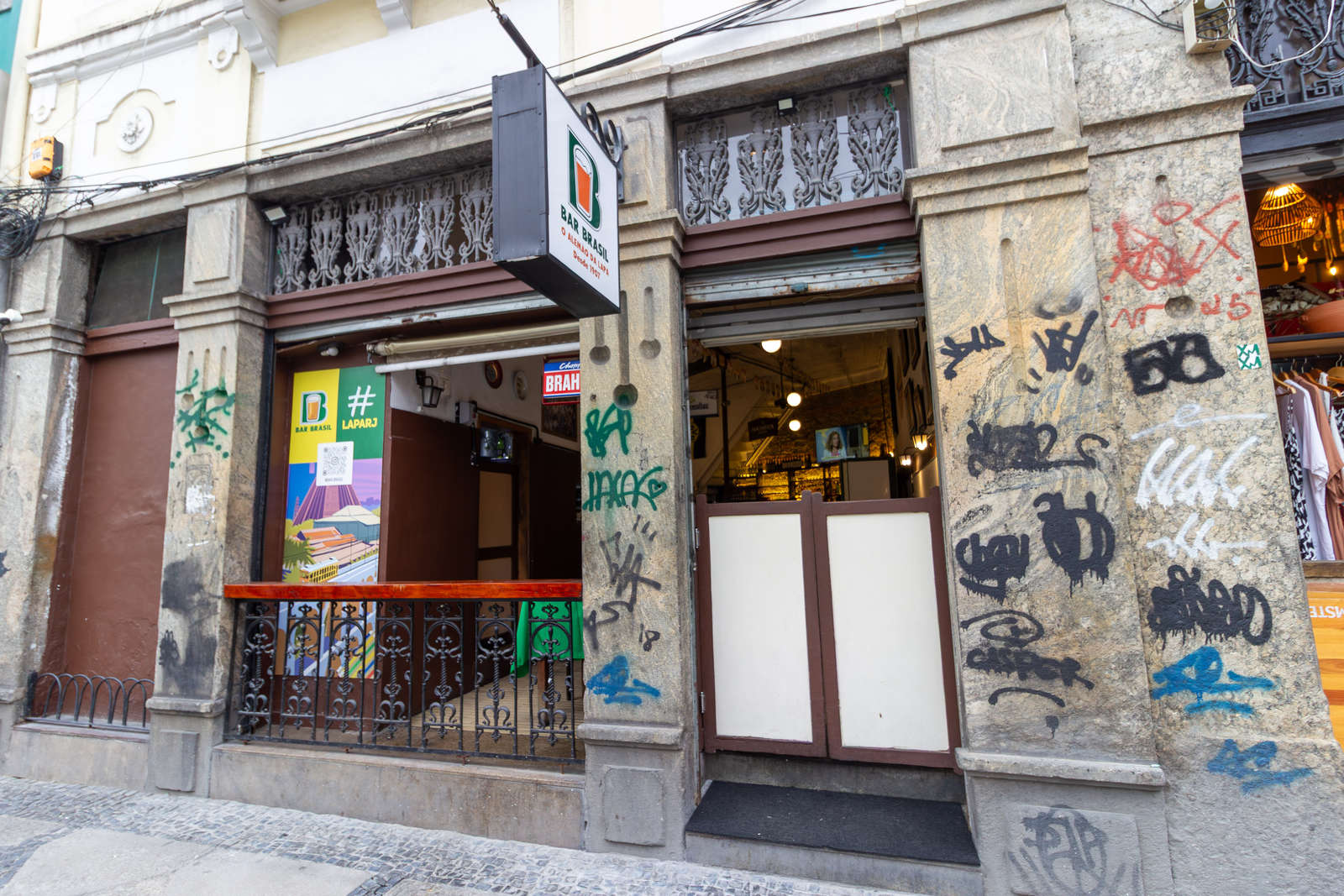
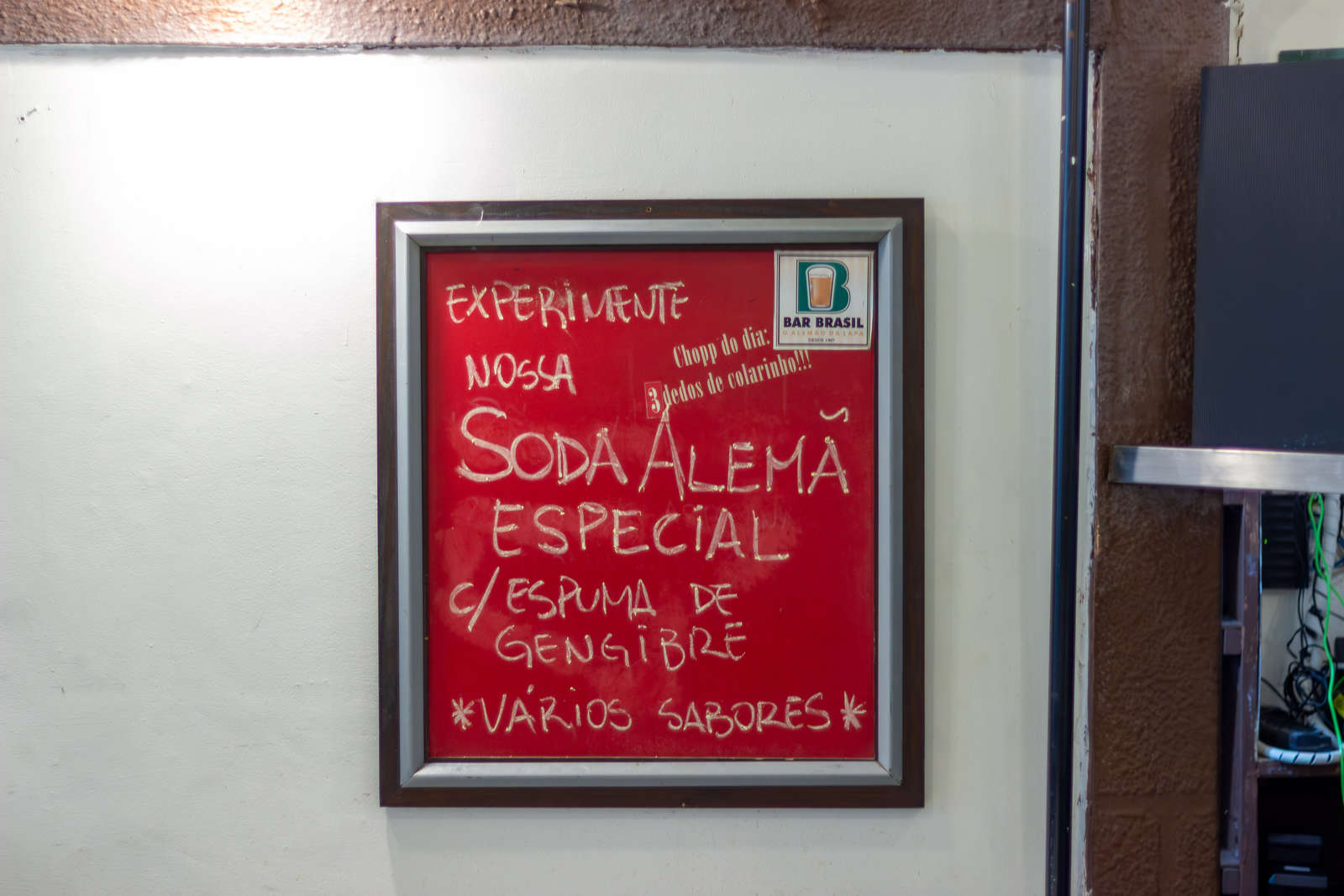
The bar has been operating since 1907, and its name has an unusual history. It began as Bar Zeppelin, an open German beer hall. During World War II, German names fell out of favor in Rio, and the bar became known as Germânico before adopting its current name, Bar Brasil. Paradoxically, that very Brazilian name belongs to one of the city's most German establishments. It has since become known as o Alemão da Lapa, “the German of Lapa.”
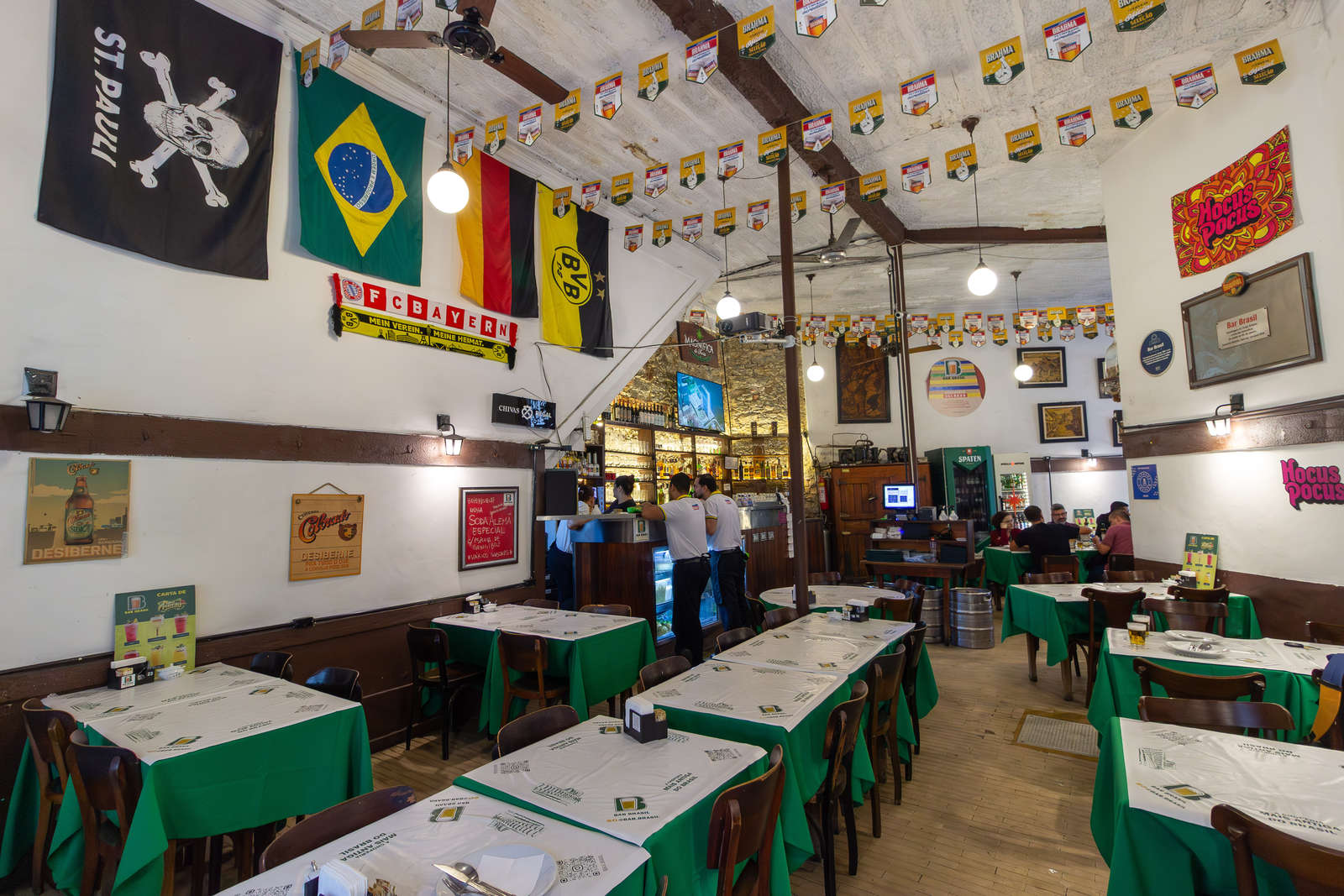
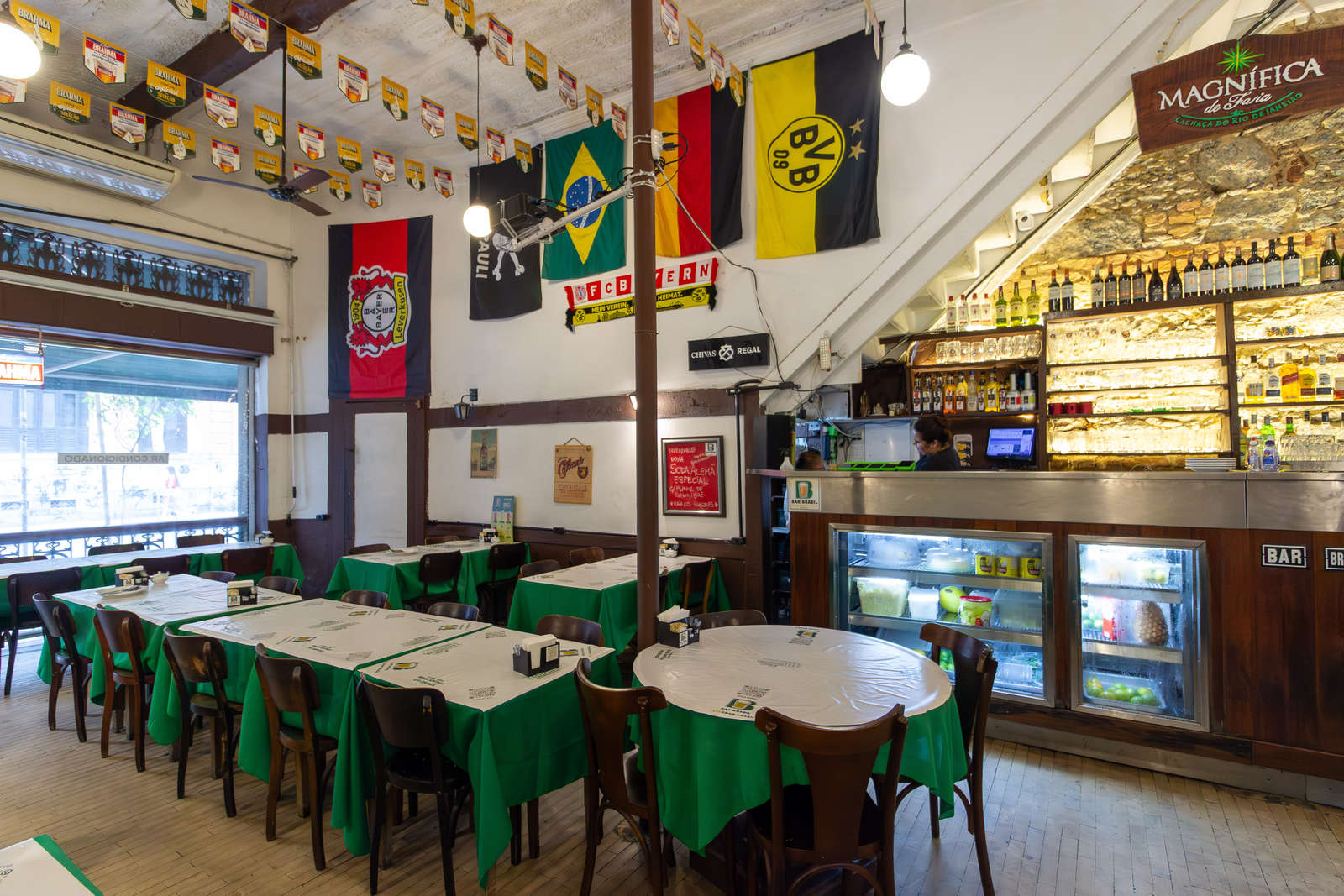
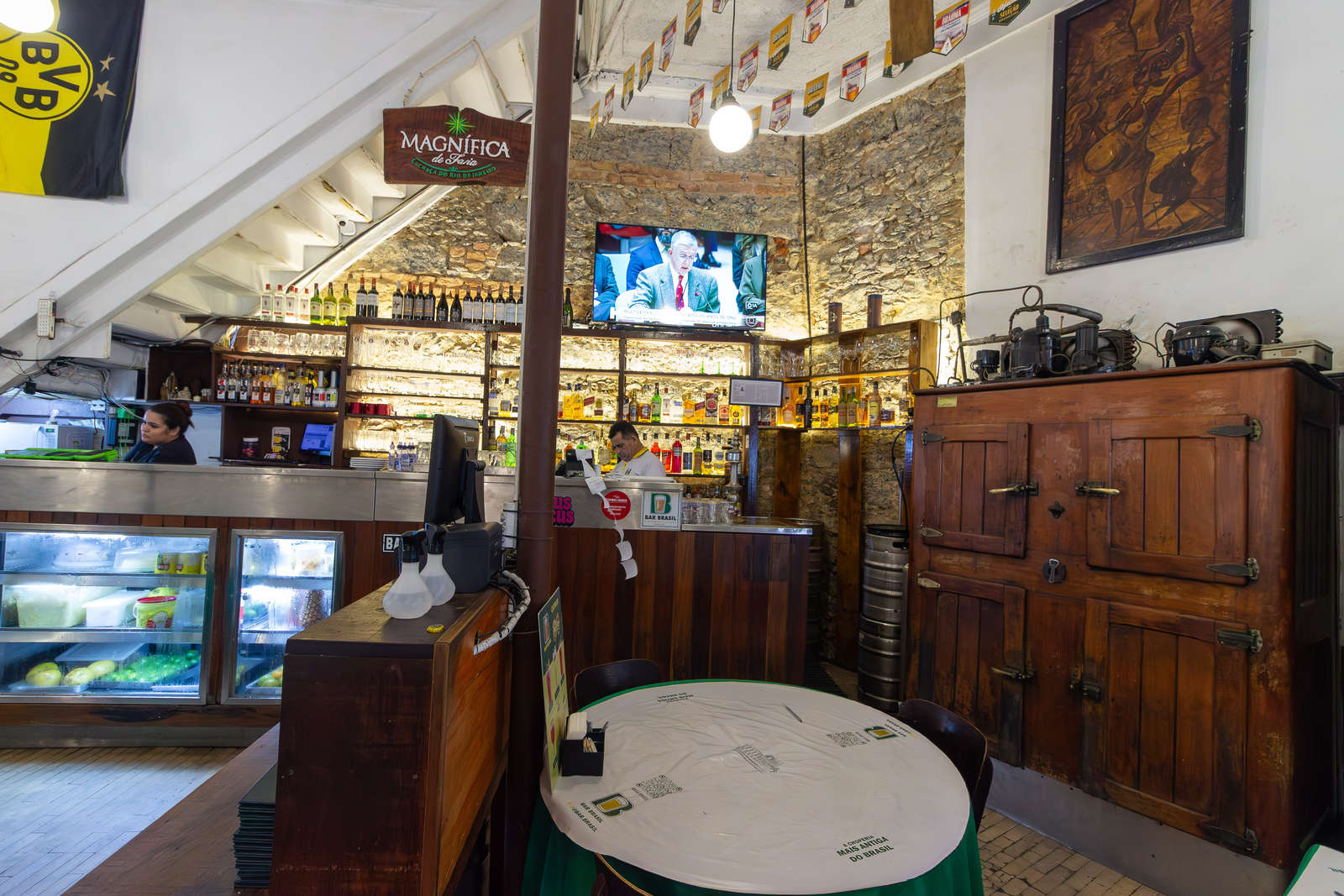
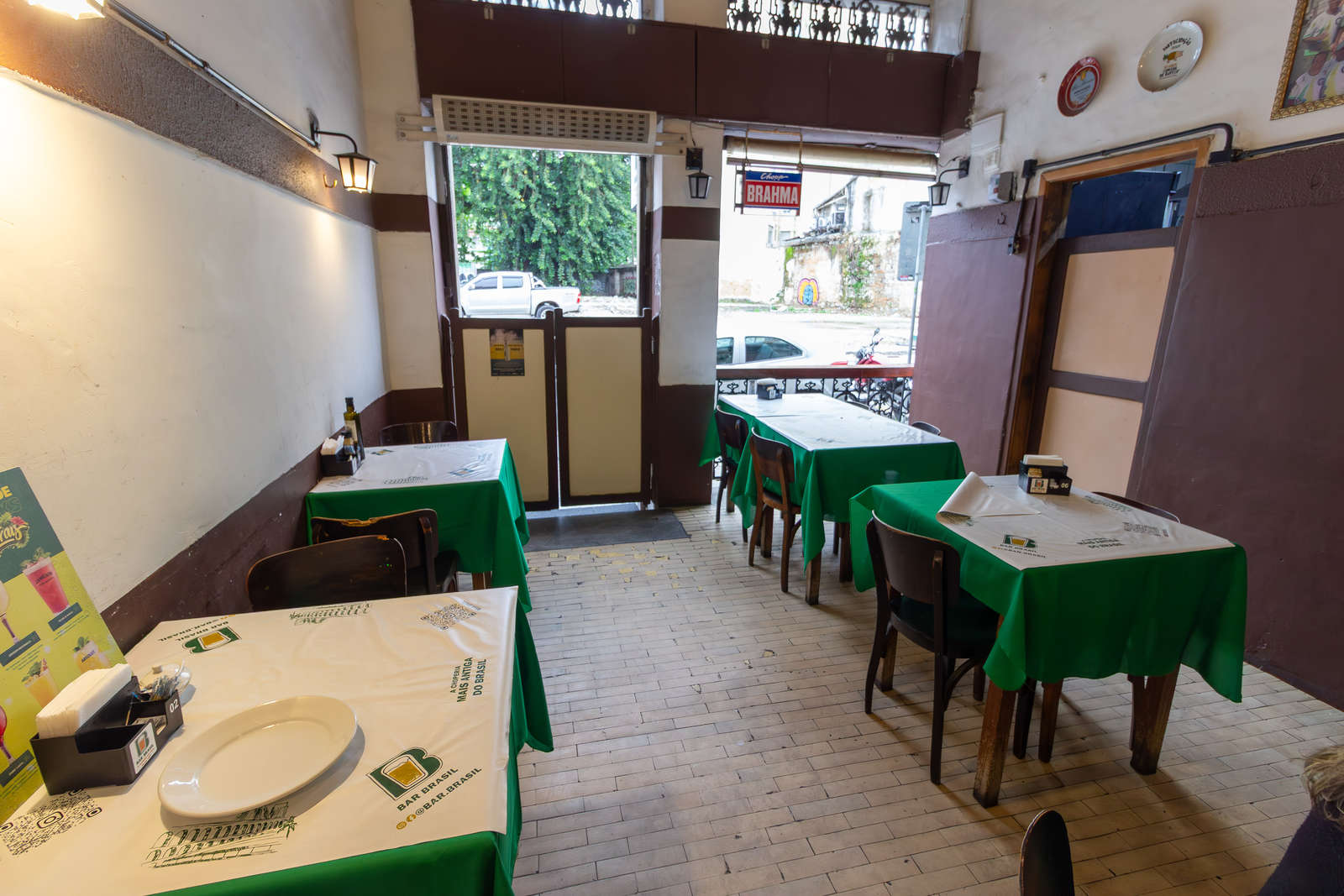
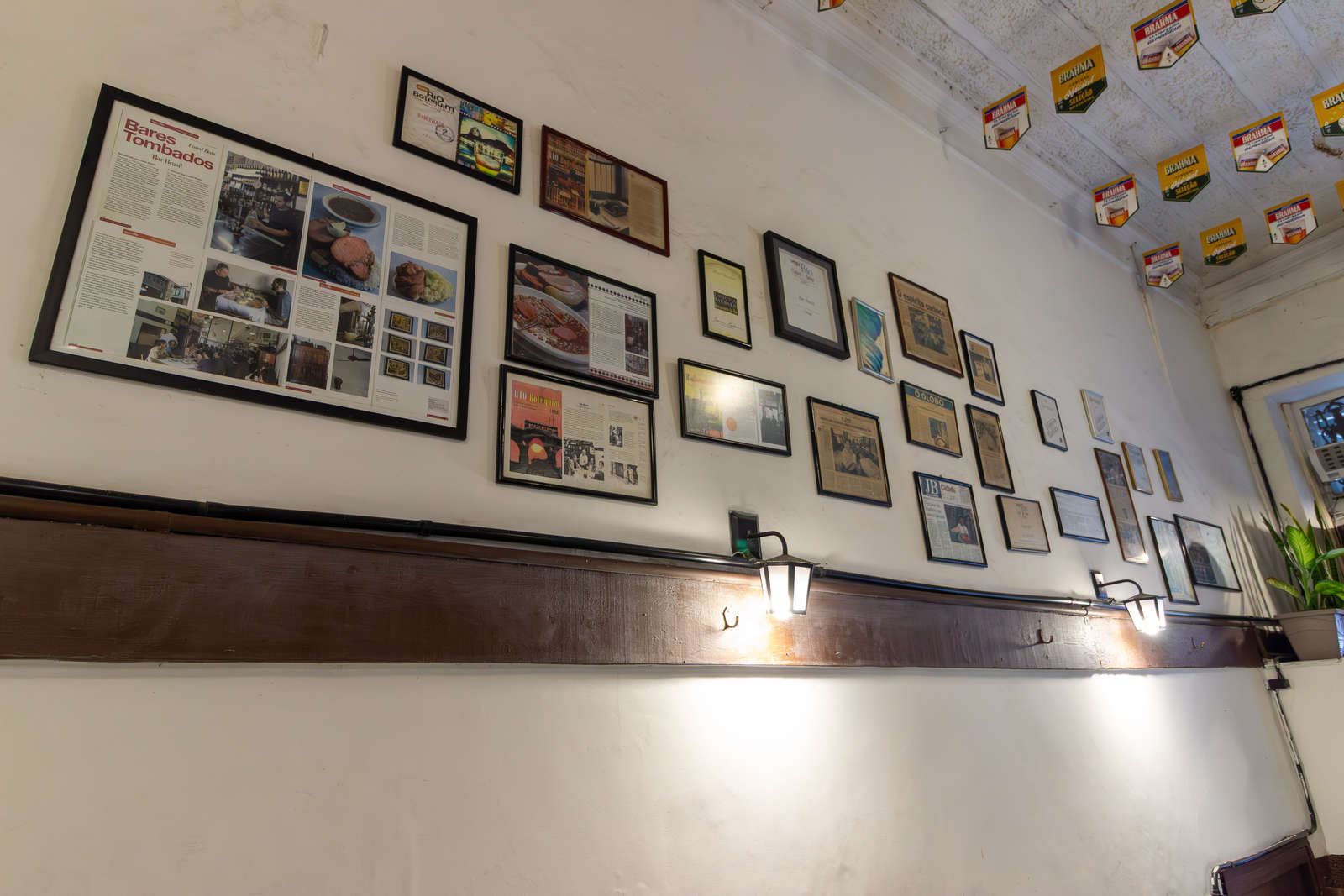
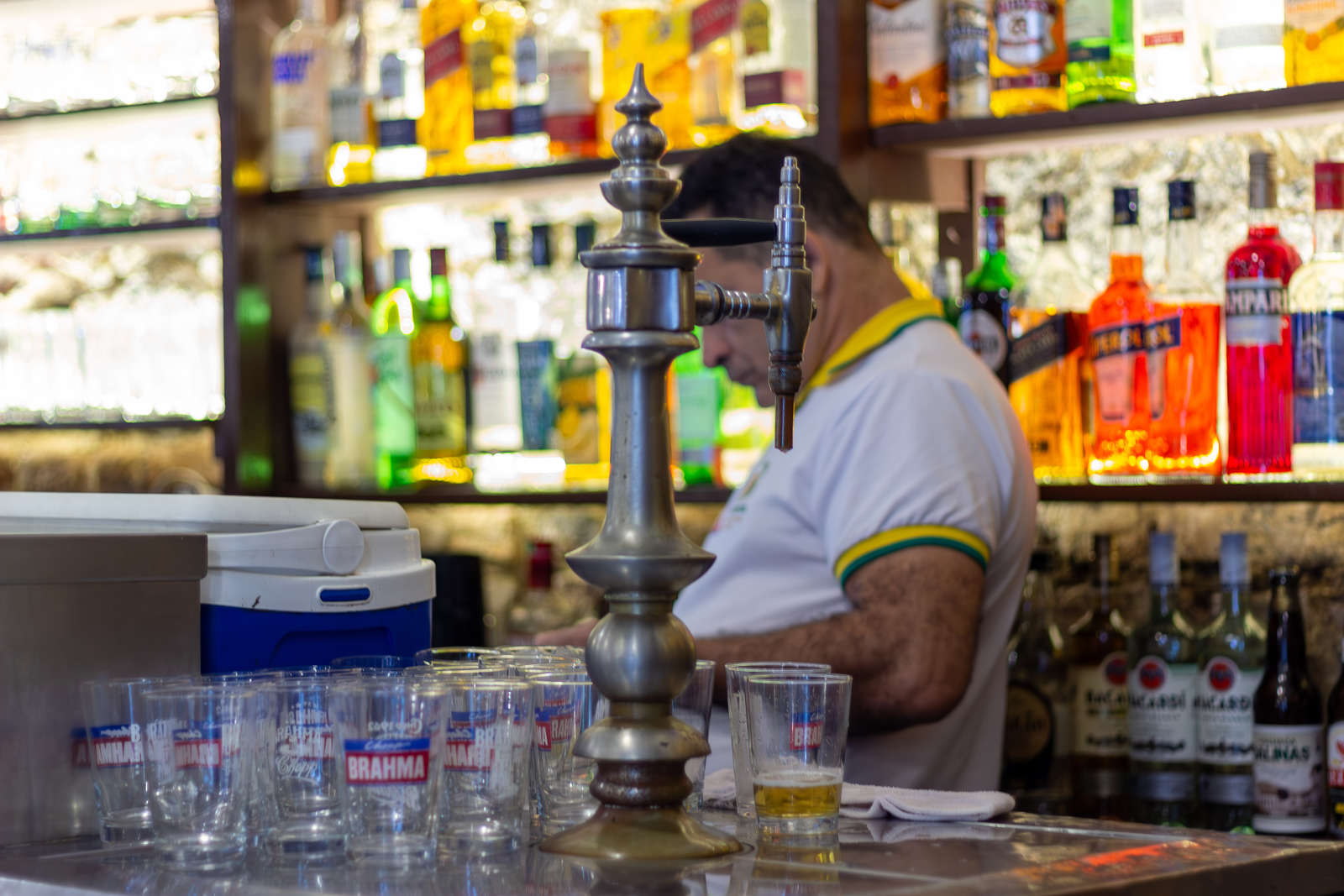
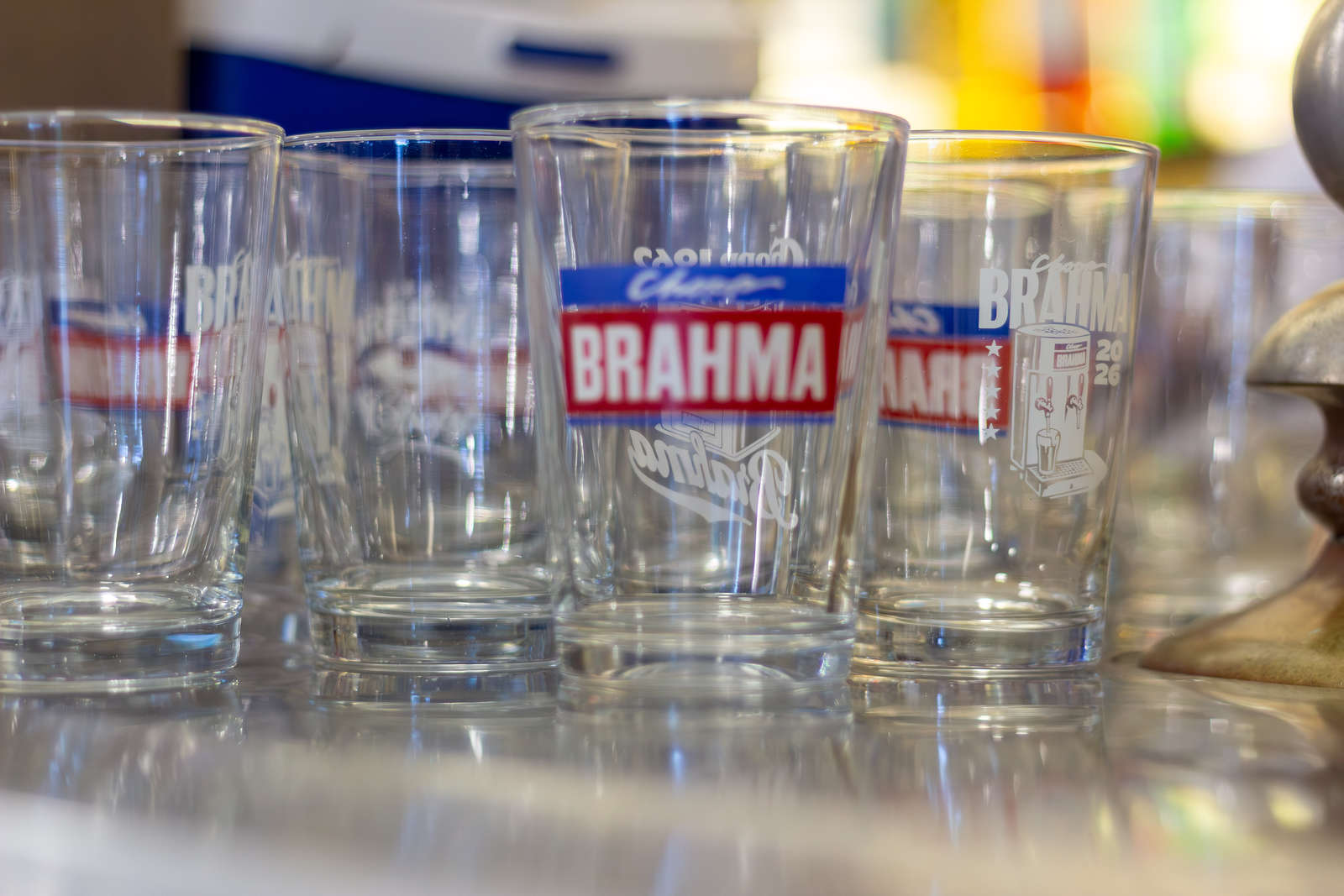
The dining room still has a historic bronze beer tap with a 66-meter cooling coil, described as one of the oldest in Brazil.

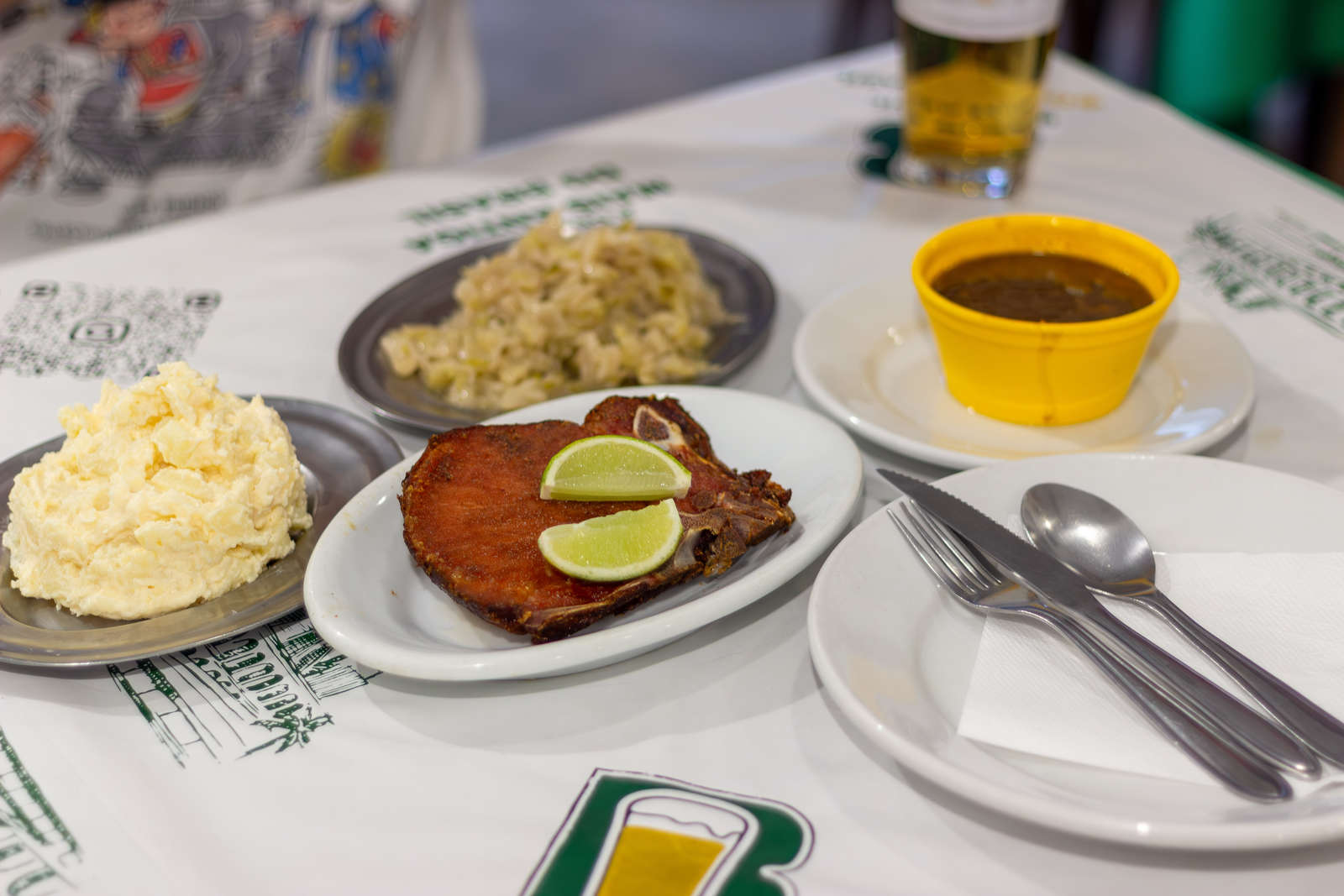
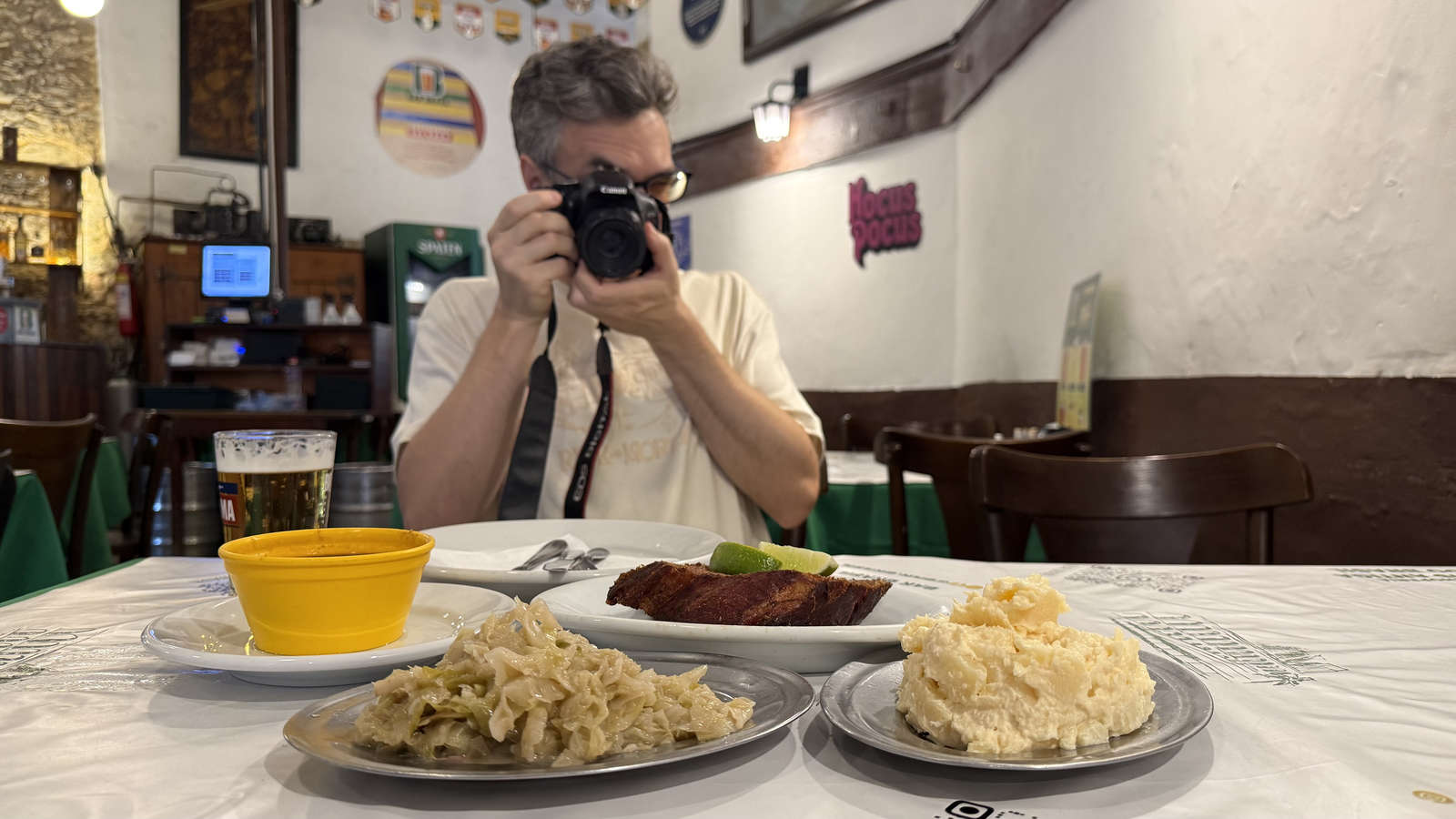
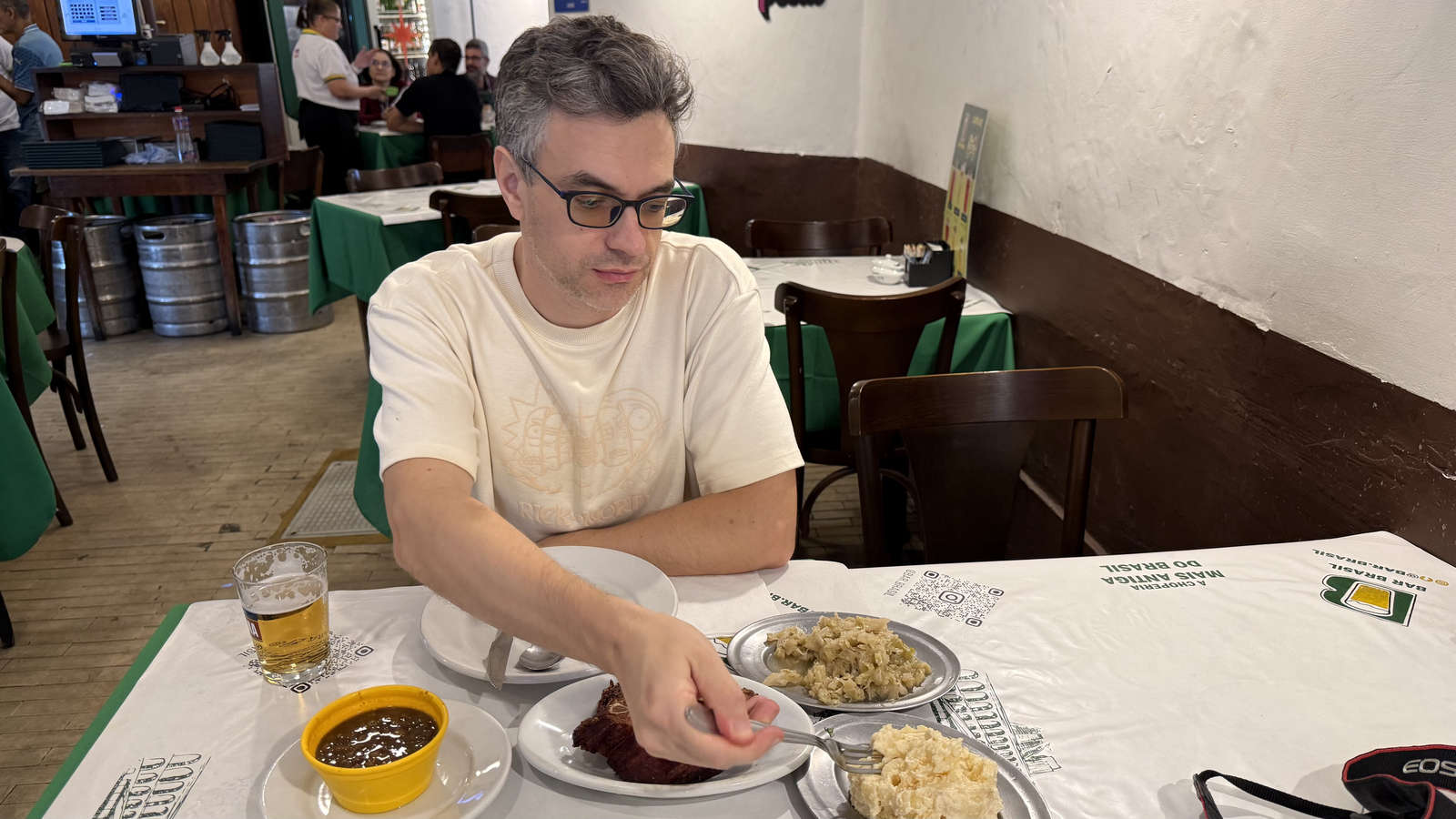
We ordered smoked kassler (Kassler Defumado) with three sides of our choice: potato salad, braised sauerkraut (chucrute), and lentils. The menu lists it as “Kassler Defumado, 3 acompanhamentos à sua escolha,” priced at R$78 for one person or R$148 for an “inteiro,” a larger portion to share. The pork was tasty, with a distinct smoky flavor. The cabbage was simply braised sauerkraut, without excessive seasoning. The potato salad was straightforward boiled potatoes with mayonnaise. The lentils tasted slightly too salty.
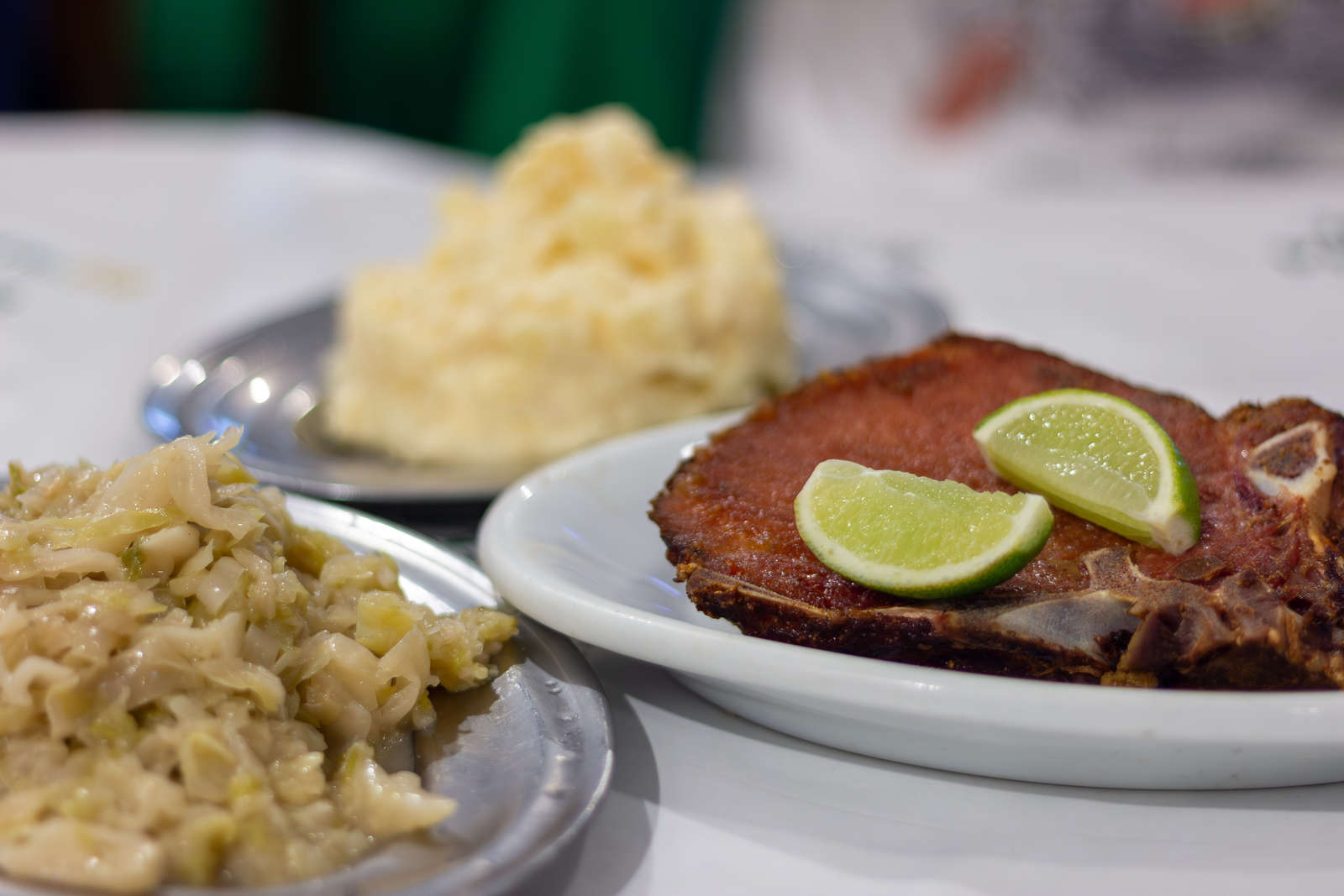
Bar Brasil serves hearty, straightforward food without pretending to be more refined than it is. Other dishes worth considering include pork knuckle (Joelho de Porco / Eisbein), schnitzel with potato salad and cabbage, mixed sausages (Mix de Salsichas), kassler as a snack (Kassler Aperitivo), currywurst (Curry Wurst), and apple strudel with whipped cream. For a group, it makes sense to order one large dish for the table, such as pork knuckle or schnitzel for two, instead of separate individual meals.
Bar Brasil is closed on Mondays. According to its published schedule, it stays open until 23:00 Tuesday to Thursday, until 01:00 on Friday and Saturday, and until 16:00 on Sunday. Check the hours again before your visit.
3. Ernesto: a family story and apple strudel
Bar Ernesto belongs on this route for more than its food. It has something that makes a food tour memorable: the personal story of one family.
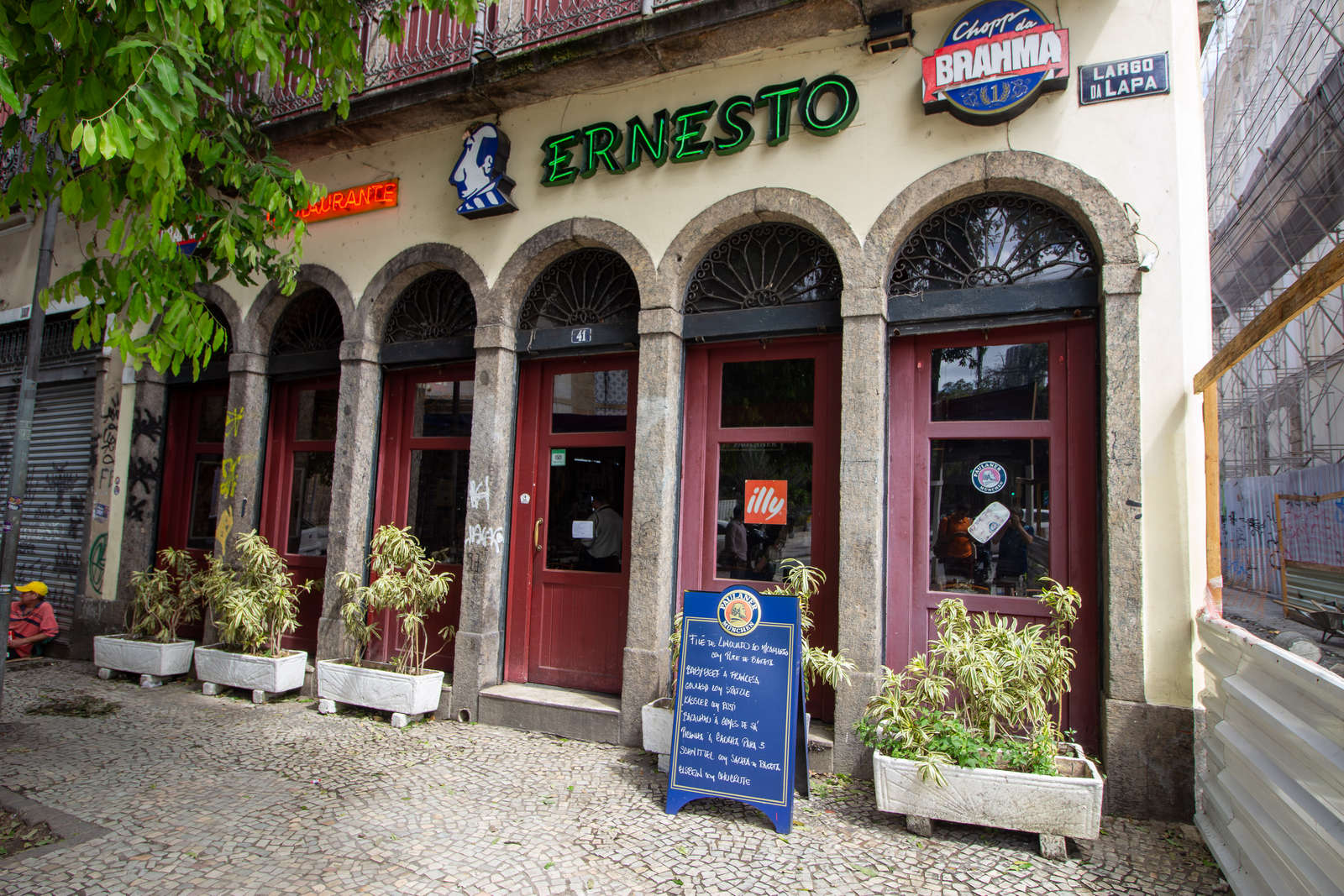
Ernst Meler was born in 1900 in the Czech town of Krasná. By 1933, he was living in Frankfurt, where his family owned Café et Patisserie Adolf Goldberg on Leipziger Strasse, named after his father-in-law, Adolf Goldberg. In 1933, shortly after the Nazis came to power, Meler left Germany with his wife Marta, their son Alfred, and his father-in-law. On April 30, 1934, they disembarked in Rio de Janeiro from the steamship Raul Soares. In the Brazilian documents, Ernst gave his nationality as Czechoslovak, while Marta, although born in Germany, was registered as stateless.
They opened their restaurant, Ernesto, in 1935 at Rua Teófilo Otoni, 94. In August 1936, the building burned to the ground, a fire that made the front page of A Noite. By November 27 of the same year, the restaurant had reopened on a neighboring street, then Rua dos Ourives, 37, now Rua Miguel Couto. It later moved twice more, to Rua Buenos Aires and Rua do Rosário. In 1993, the founders' grandson, Flávio Meler, opened Ernesto in Lapa and continued the family story. The official website now lists its address as Rua da Lapa, 10.
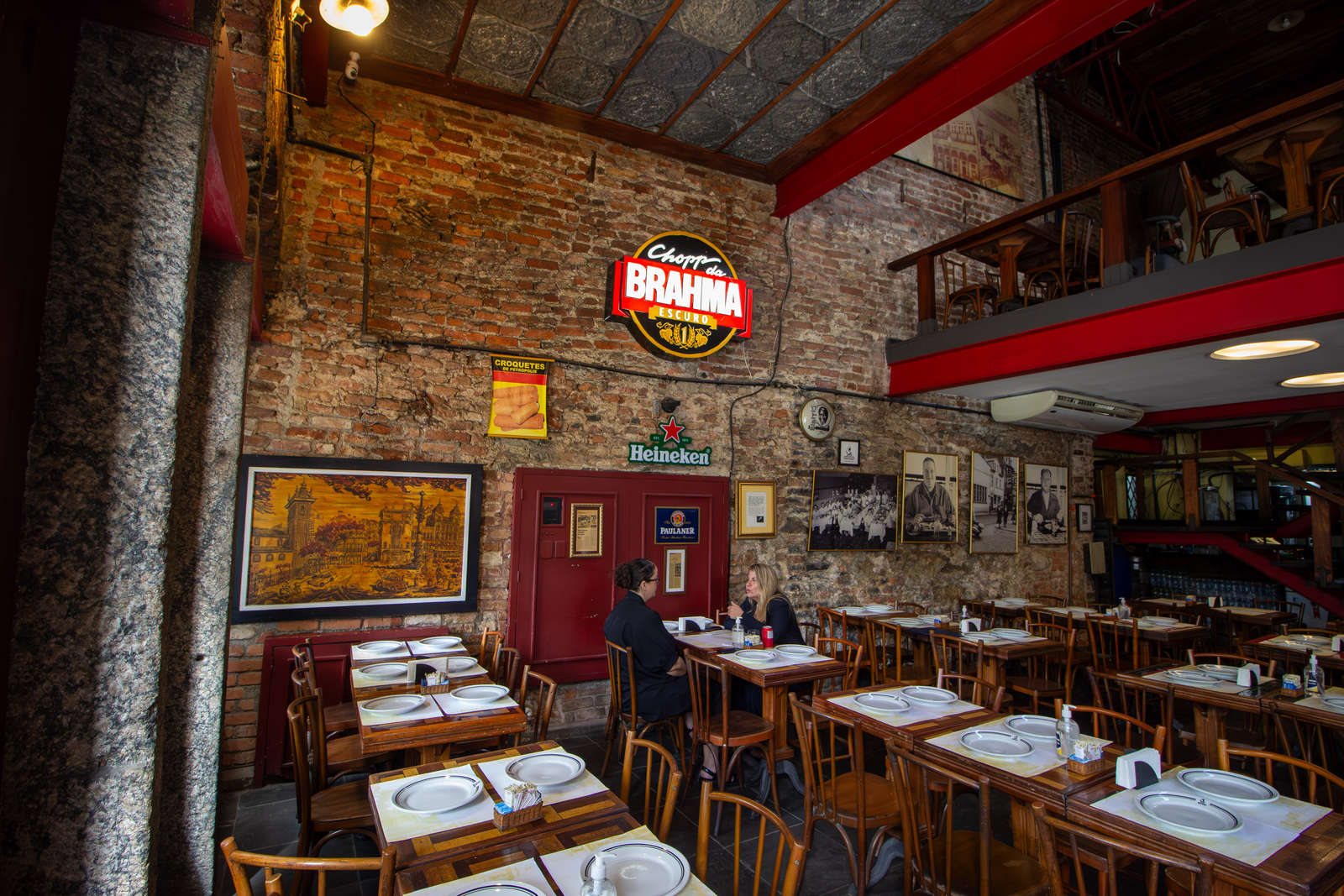
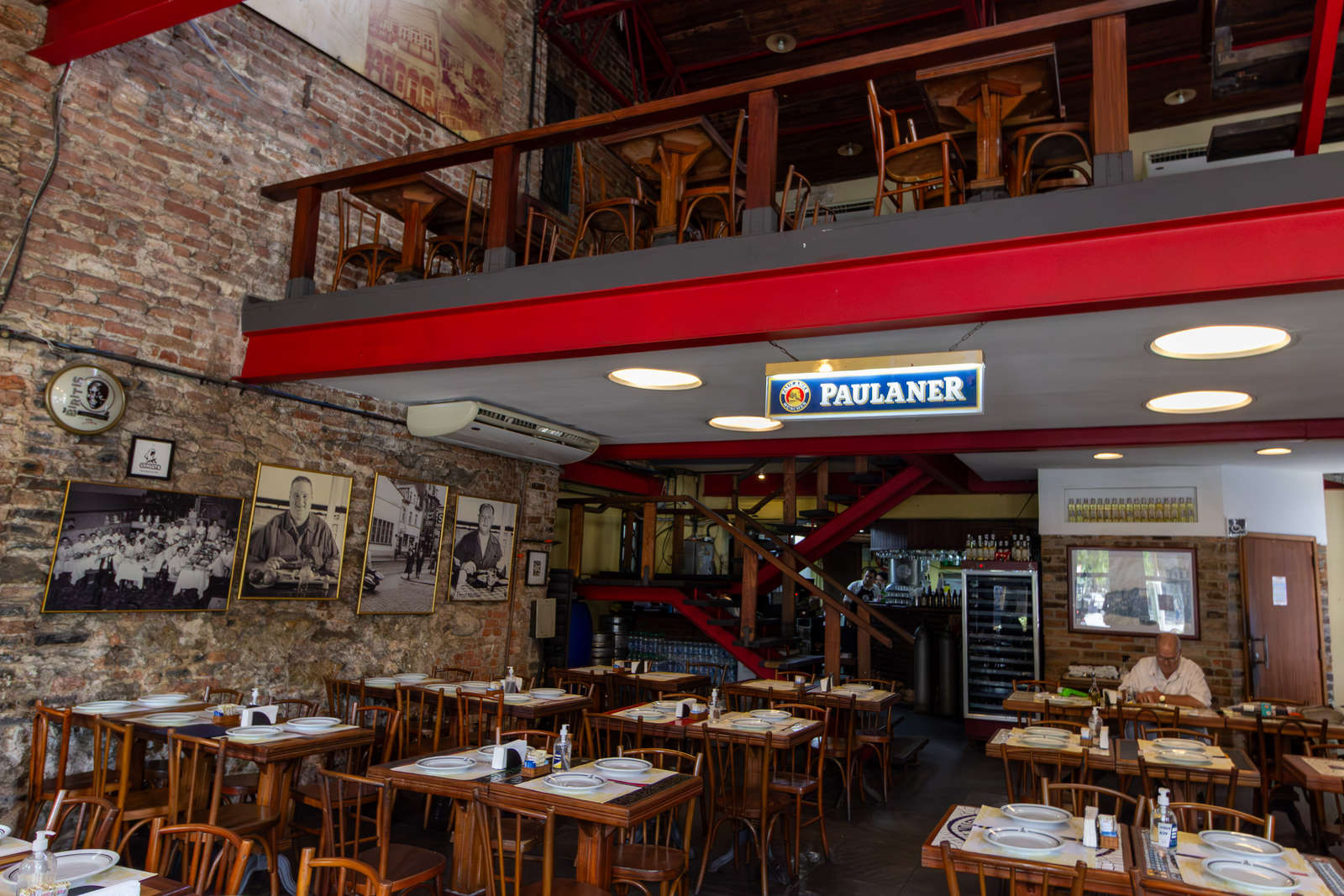
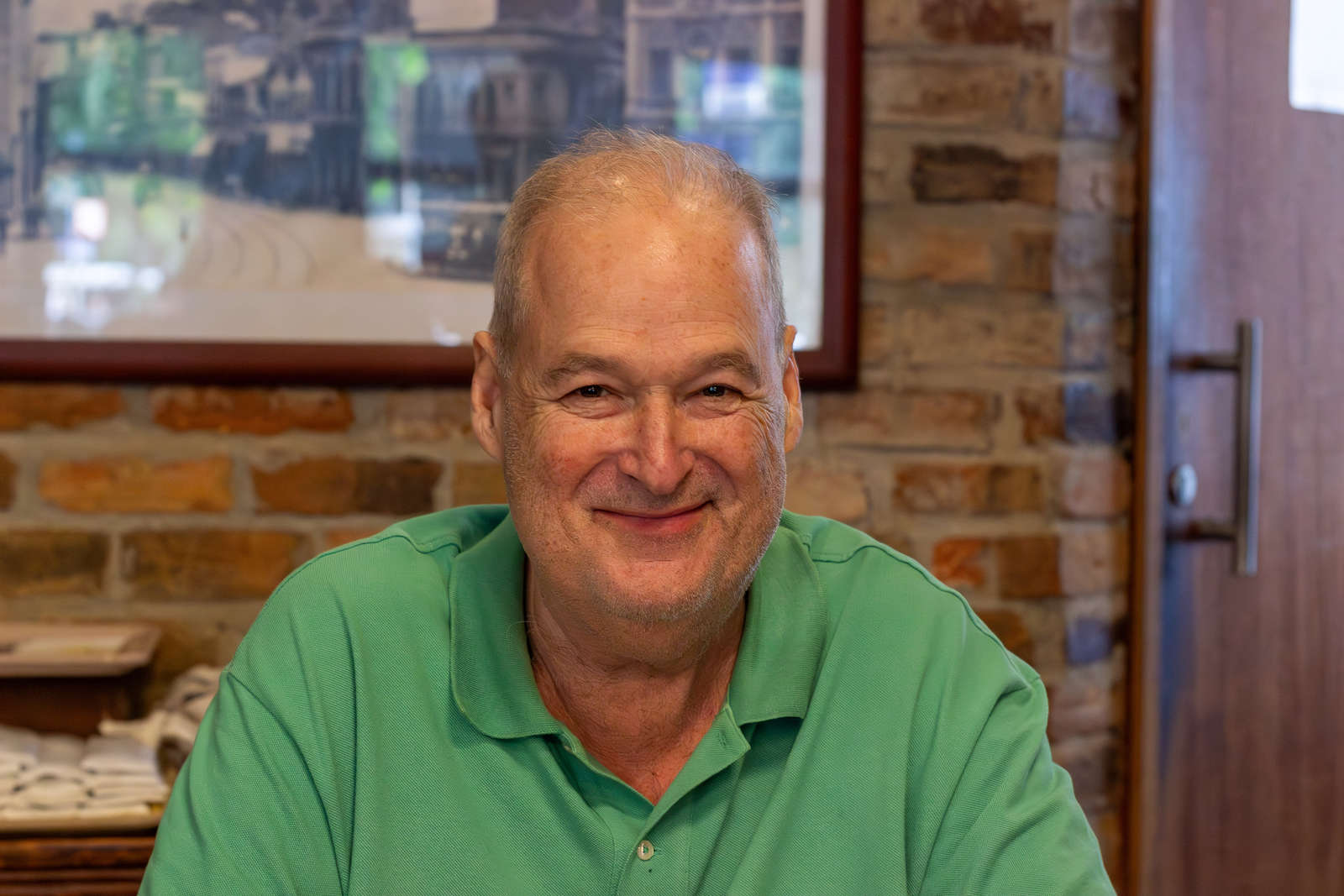
Flávio himself was in the dining room during our visit, and we asked him to pose for a photograph. His portrait deserves a place in this article: a face alongside a family's story says more than another photograph of a plate.
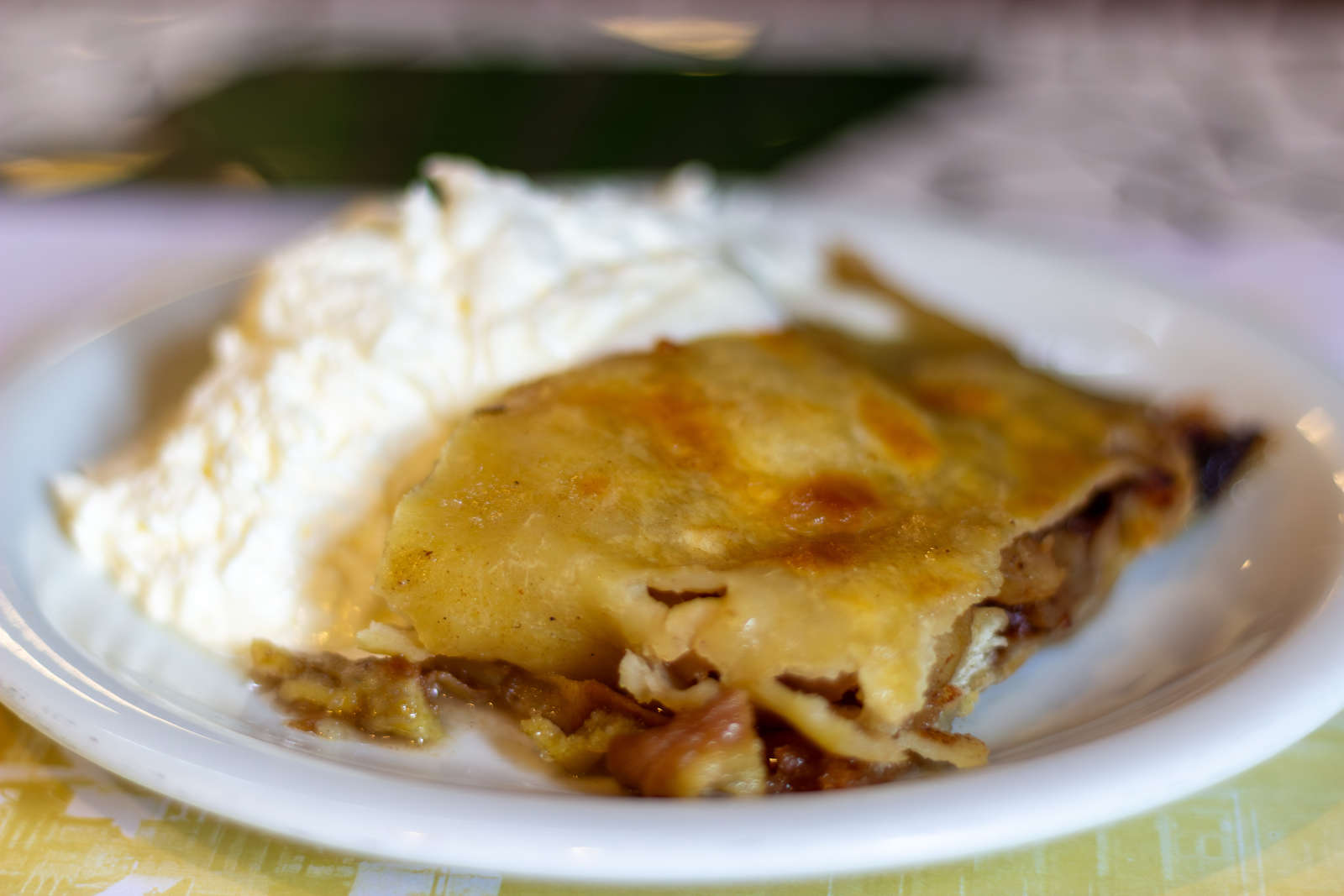
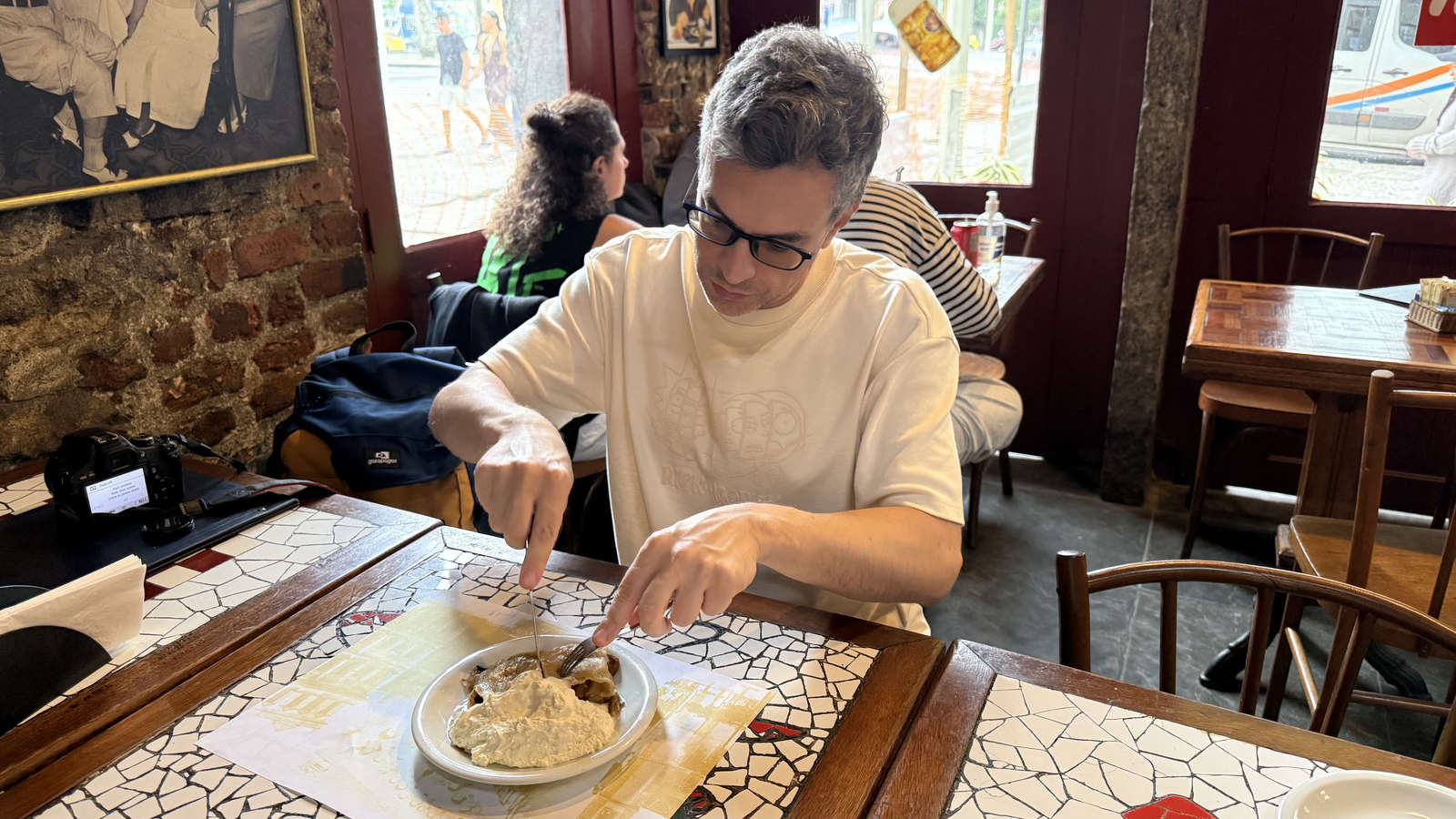
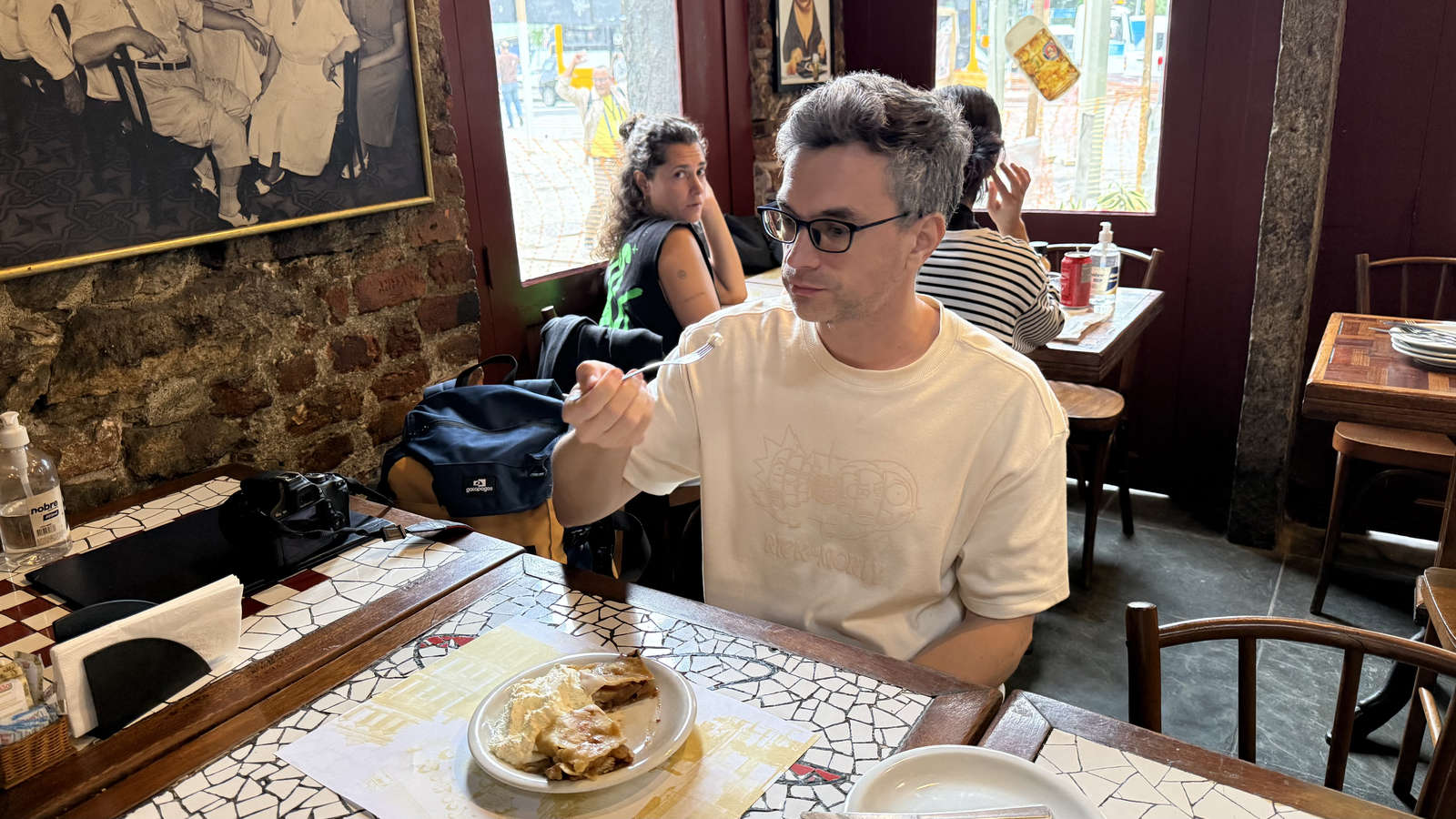
We did not attempt a full lunch at Ernesto. After Casa Urich and Bar Brasil, that would have been an exercise in overindulgence, so we ordered only apple strudel. It came with proper whipped cream, rich and not from a spray can. The apples were sweet, soaked in cinnamon and syrup, and the pastry was soft. In Rio, where dessert more often means brigadeiros or puddings, this is a very different tradition. According to the menu at the time of our visit, a portion cost R$28.50.
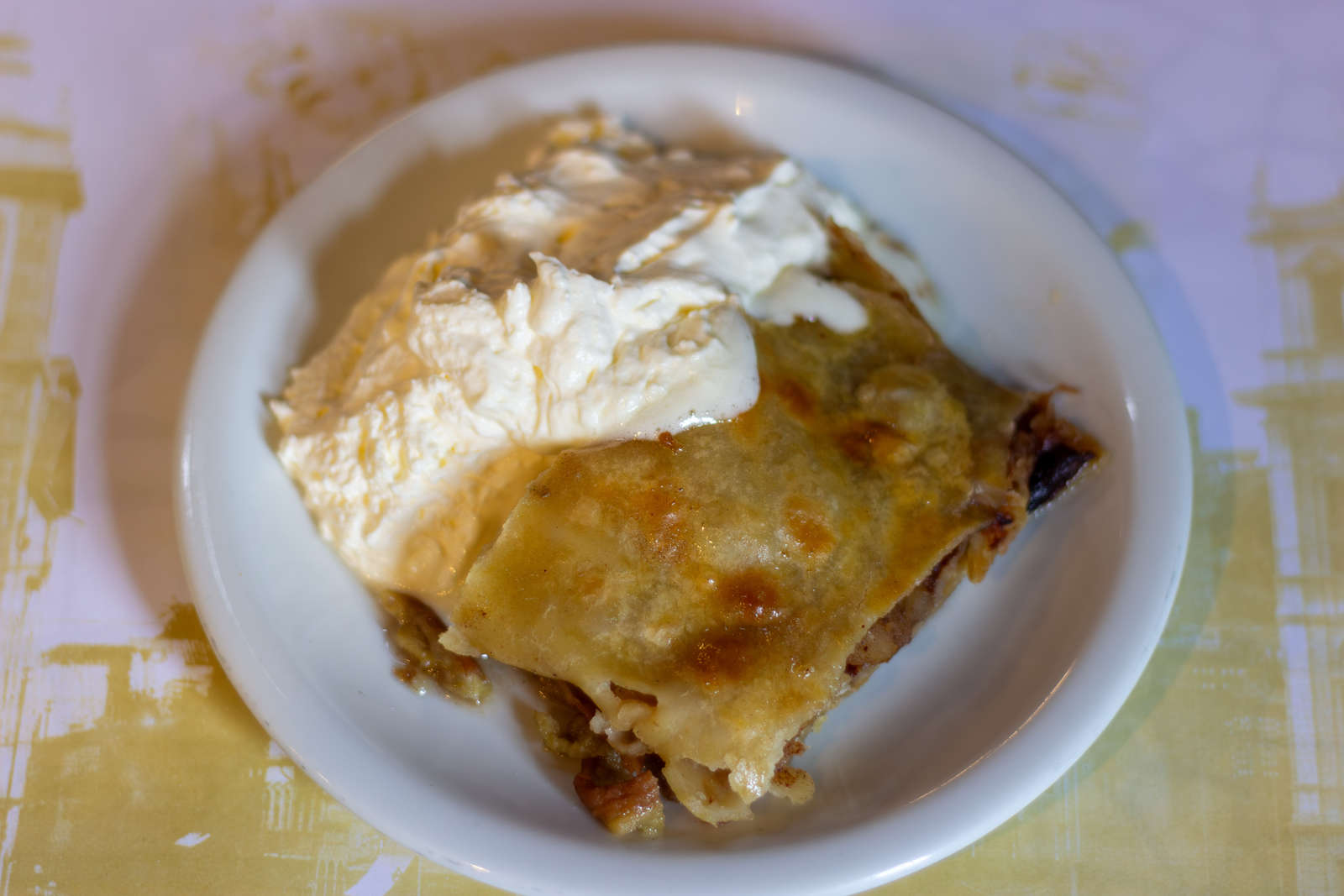
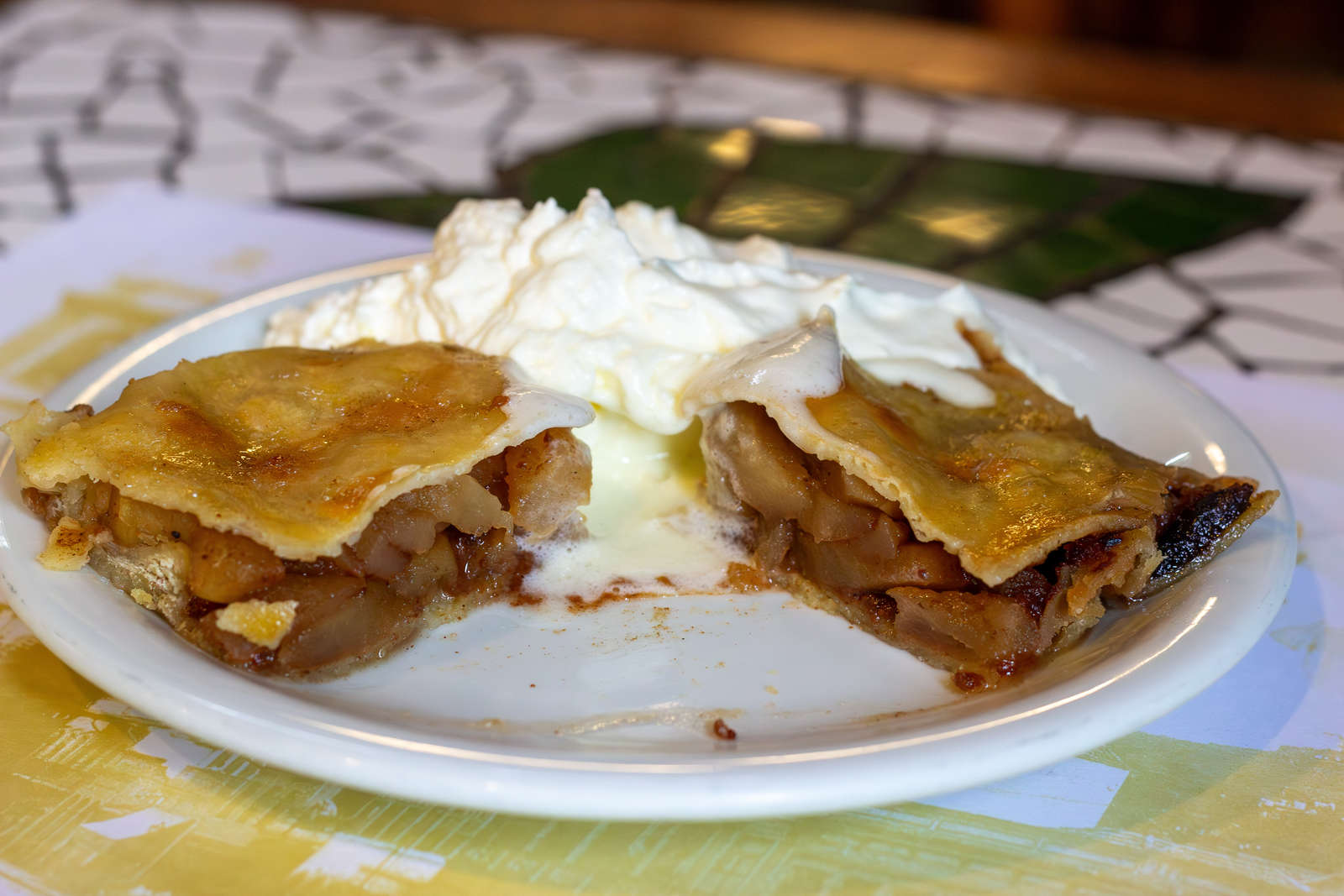
If you come to Ernesto for more than dessert, the menu includes schnitzel, kassler, eisbein, goulash with spätzle (Goulash com Spätzle), red and white German sausages, onion soup, and meat croquettes.
The official website lists Ernesto's hours as Tuesday to Saturday, 11:00–21:00, and Sunday, 11:00–16:00. It is closed on Mondays. Confirm the hours before visiting, especially on public holidays.
4. Adega do Pimenta: the Brahma brewer who became “Pepper”
The final stop is Adega do Pimenta in Santa Teresa, at Rua Almirante Alexandrino, 296. This is less a story of immigration and a family restaurant than of a German bar that became part of Rio twice: first under its founder, and then under a new owner who came from outside the restaurant business.
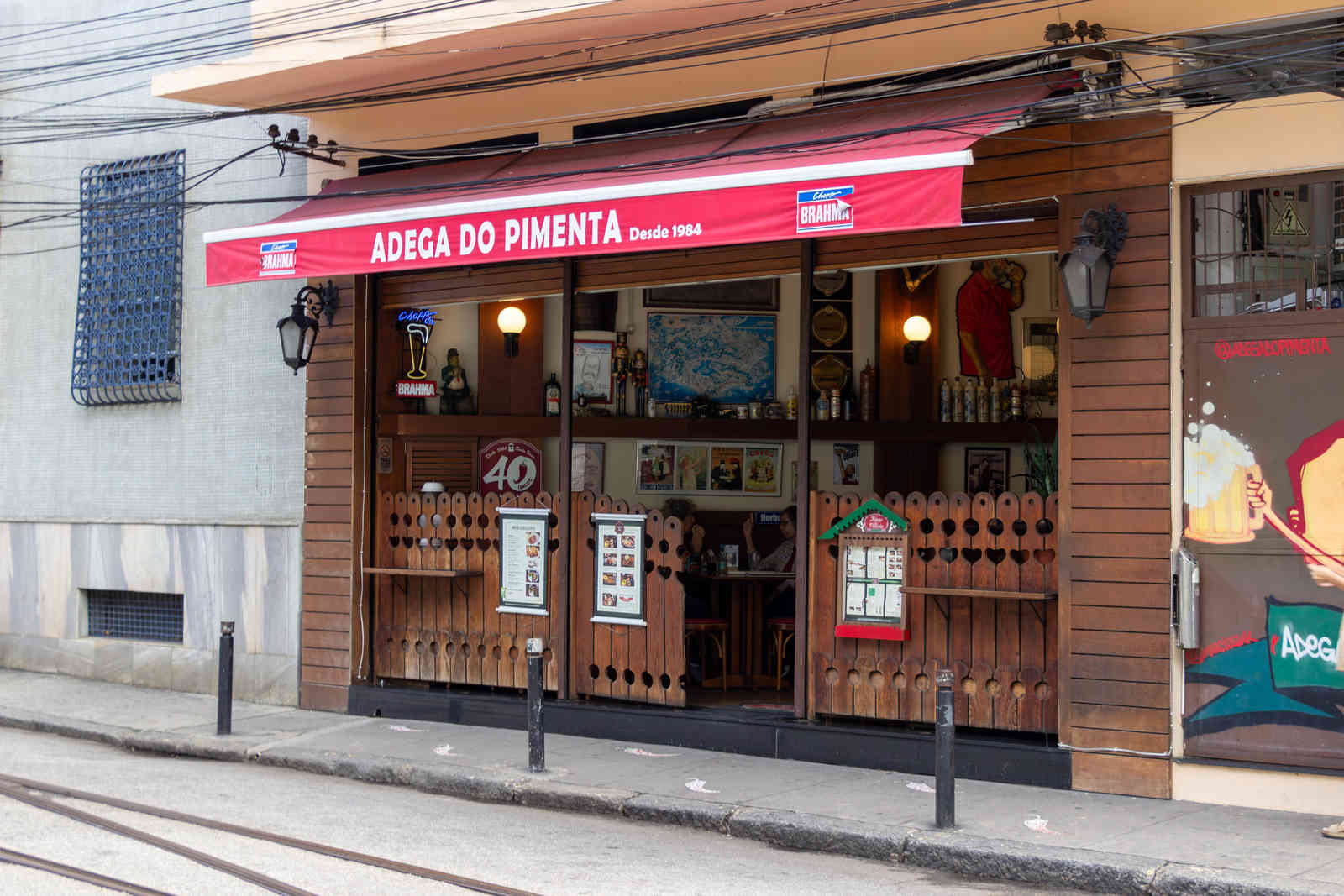
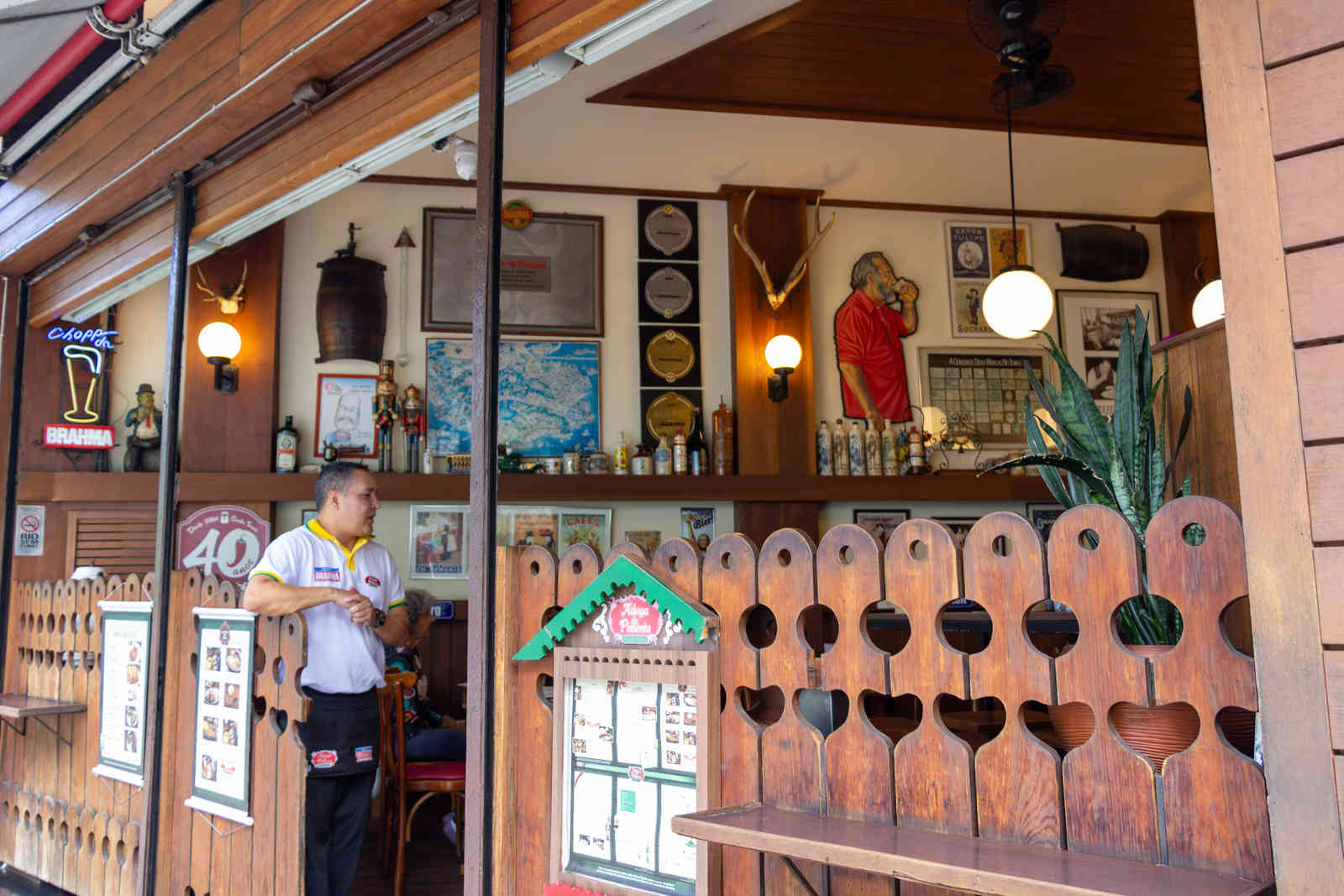
The bar was opened in 1984 by Holf Pfeffer, a German former brewer at Brahma. He translated his surname, Pfeffer, meaning “pepper” in German, into Portuguese to make it easier for Brazilians to pronounce. That gave the bar its name, Adega do Pimenta. Pfeffer died in 1992, and the bar struggled for several years without him. In 1994, regular customer William Guedes, an electronics engineer who had recently left a long-held job at a large company, was offered the chance to buy the struggling business. He accepted, despite having no previous restaurant experience, and has run it since 1995, now alongside his three sons. The walls are still decorated with souvenirs from his travels in Germany.
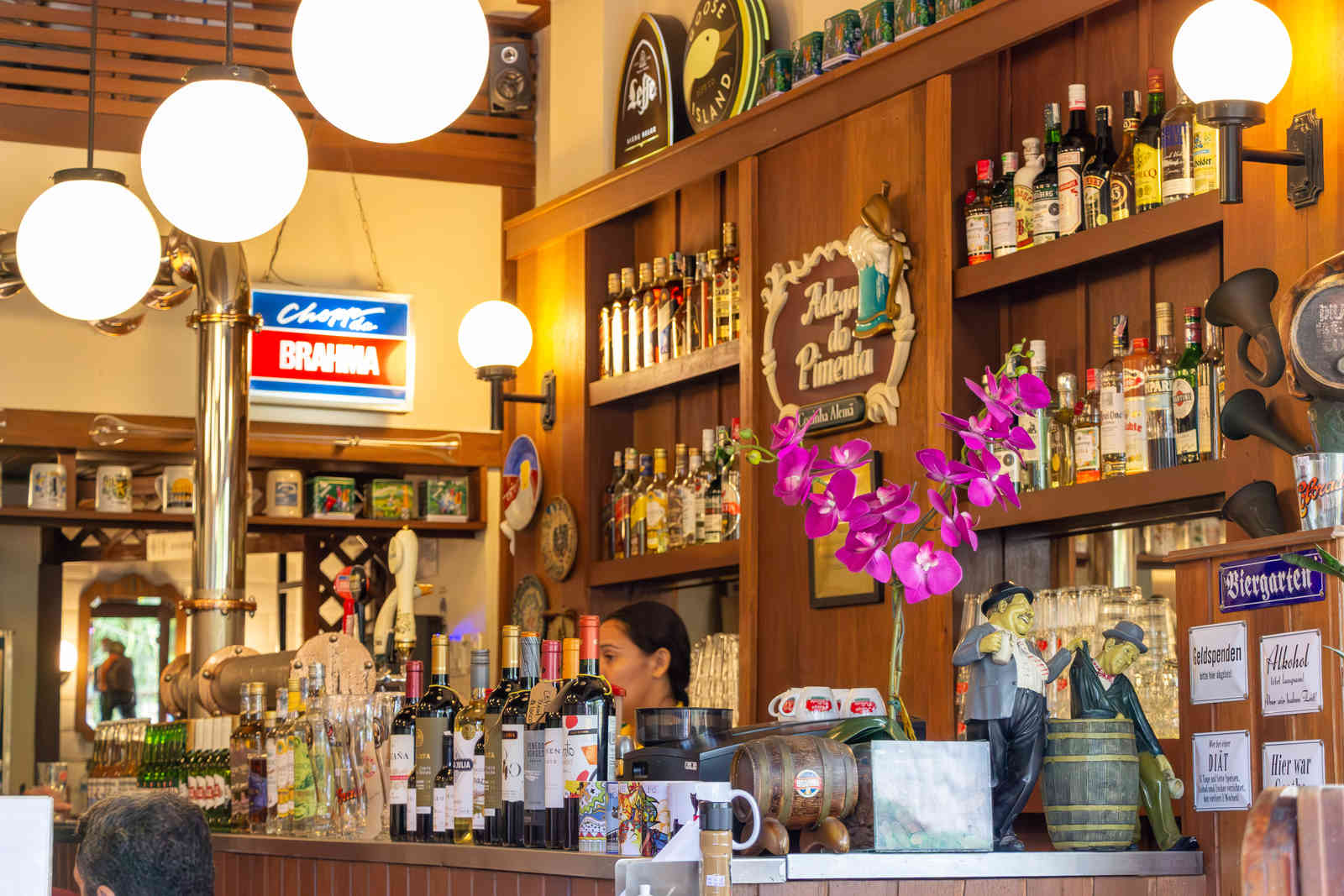
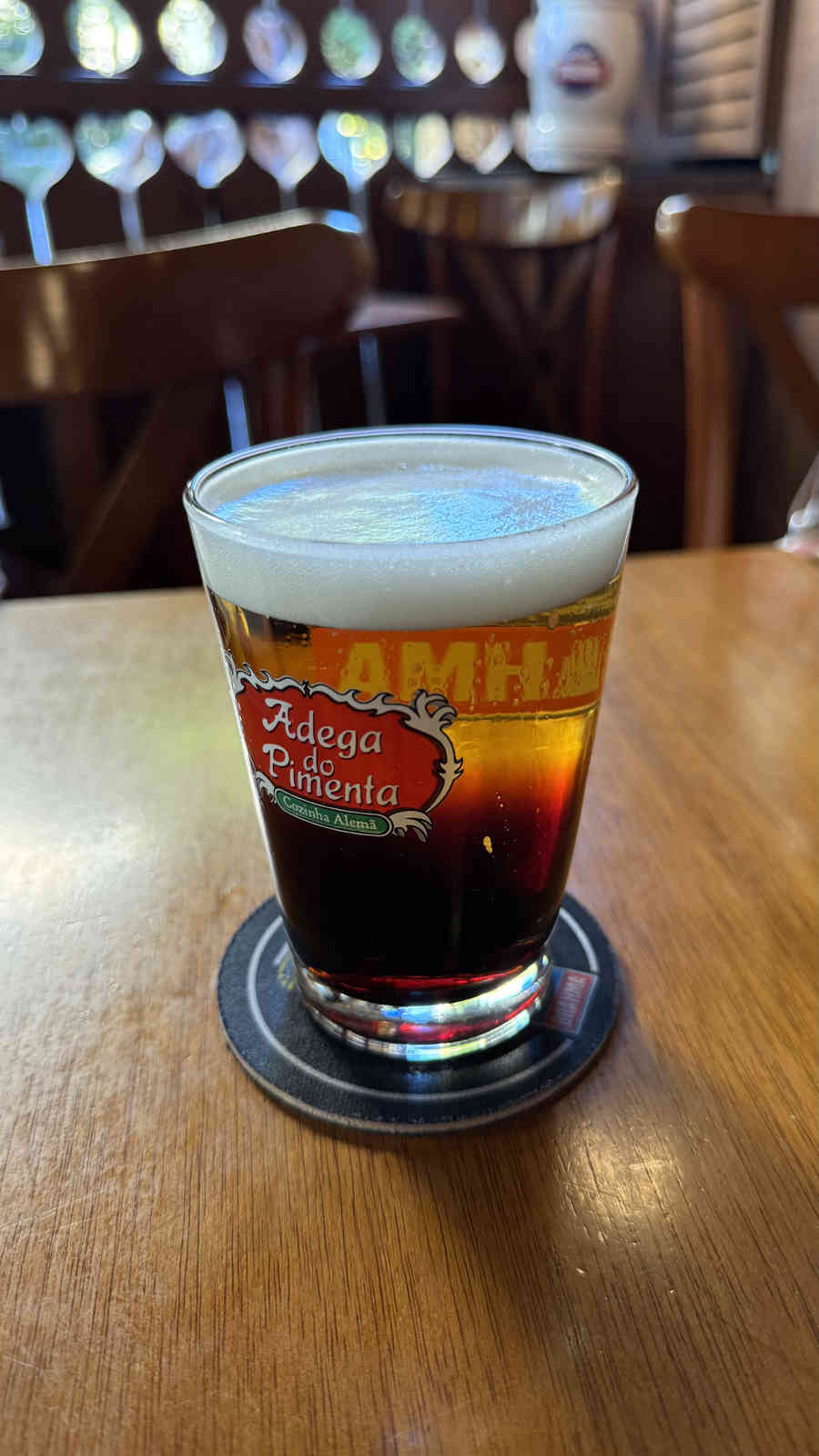
We ordered layered beer, with pale and dark chopp poured into the same glass in separate layers, a technique that takes patience and a steady hand. Alongside it came a selection of small sausages with curry sauce. After croquettes, kassler, and strudel, we did not need another large plate of pork knuckle, so the sausages and beer made a sensible, lighter finish.
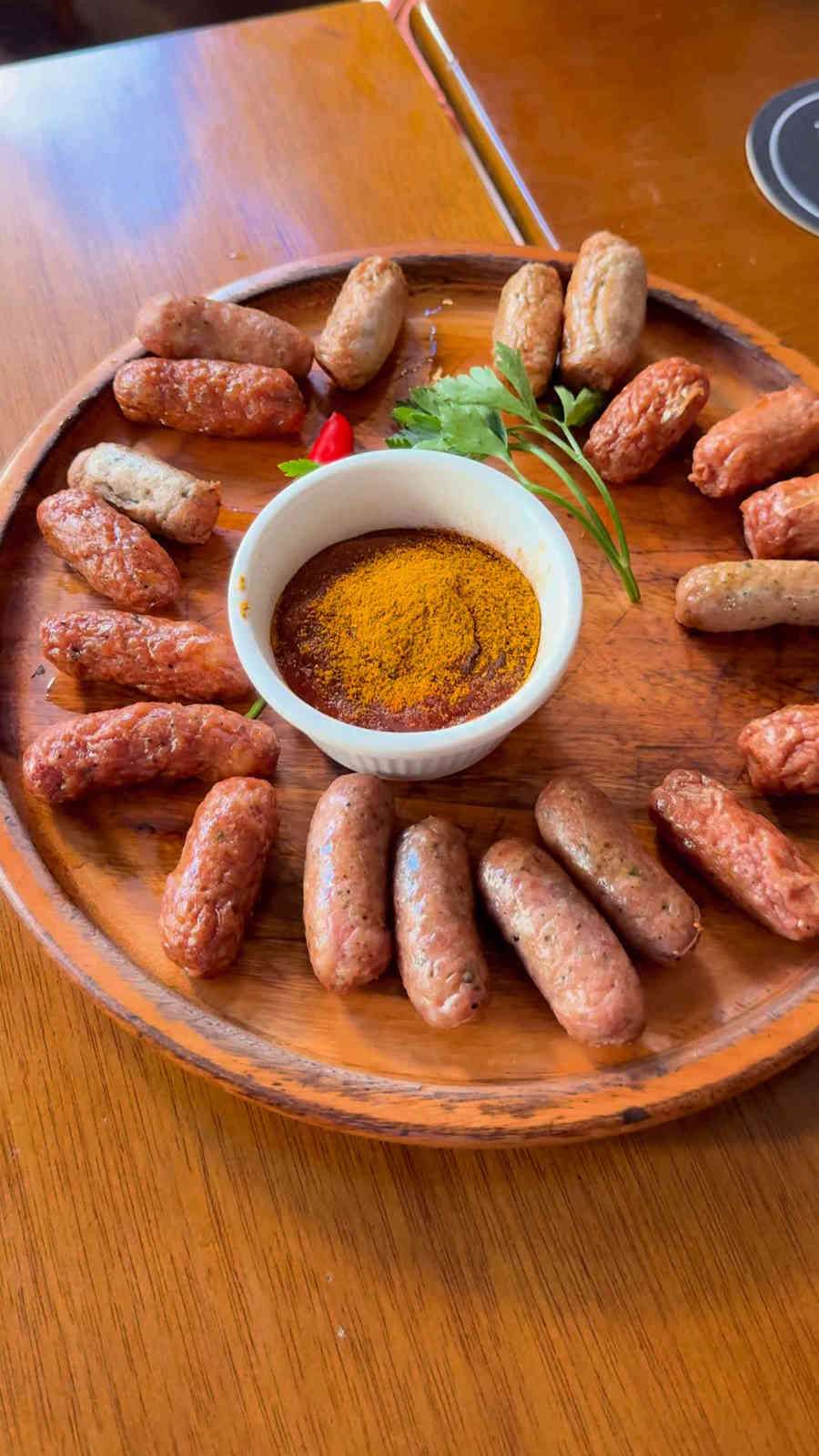
If you arrive hungrier, popular orders at Adega do Pimenta include pork knuckle (joelho de porco / eisbein), kassler, meat croquettes, duck (pato), beef tartare, and mixed sausages. There is also a branch called Herr Pfeffer in Leblon, run by William's son since the early 2000s.
Adega do Pimenta opens daily at 12:00, closing at 22:00 on weekdays, 20:00 on Saturdays, and 18:00 on Sundays.
Quick reference: addresses, hours, and what to order
| Venue | Address | Opening hours | Closed | What to order first | Price of this order |
|---|---|---|---|---|---|
| Casa Urich | Rua São José, 50A, Centro | Mon–Fri, 11:30–22:00 | Sat, Sun | Croquete de carne | R$11.50 |
| Bar Brasil | Av. Mem de Sá, 90, Lapa | Tue–Thu 11:00–23:00, Fri–Sat 11:00–01:00, Sun 11:00–16:00 | Mon | Kassler defumado with three sides of your choice | R$78 (for one) |
| Bar Ernesto | Rua da Lapa, 10 | Tue–Sat 11:00–21:00, Sun 11:00–16:00 | Mon | Apfelstrudel with whipped cream | R$28.50 |
| Adega do Pimenta | R. Almirante Alexandrino, 296, Santa Teresa | Daily from 12:00 (Mon–Fri until 22:00, Sat until 20:00, Sun until 18:00) | — | Layered beer + sausages with curry sauce | R$57 |
At all four venues, a 10% service charge is usually added to the bill. This is standard practice in Brazil rather than a quirk of any one restaurant.
A lighter way to follow the route
Casa Urich: a croquette or another starter. Bar Brasil: kassler with sides for one, or pork knuckle or schnitzel to share. Ernesto: just the strudel. Adega do Pimenta: layered beer and sausages. This gives you a starter, a main course, dessert, and a drink, without ordering a full main course at every stop.
If you have a big appetite or are visiting as a group, you can add one of the more substantial dishes mentioned above at each stop: schnitzel or pork knuckle at Casa Urich, goulash with spätzle at Ernesto, or pork knuckle at Adega do Pimenta. But do not try to sample every signature dish in a single day. German food in Rio is best approached as a walk with stops, rather than a twelve-course tasting menu.
Is it worth going for the German food?
Yes, provided you know what to expect. This is not Germany, and none of the owners claims to serve the best schnitzel in South America. The appeal is discovering, as you explore the historic center, how German dishes found a home in Rio. Each venue has its own reason for being here: one family's escape from the Nazi regime, a brewer's work at a local factory, or a name changed to avoid the stigma attached to Germany during the war.
For locals, this food offers variety: smoked pork, cabbage, potato salad, and beer in place of rice and beans. For visitors, the contrast is the attraction. Rio is usually presented through its beaches, Carnival, favelas, and samba. That picture rarely includes old restaurants with German words on their menus, or desserts that make an unexpectedly good stop after Lapa and the Selarón Steps.
What to remember
Go from Tuesday to Friday, the only days when all four venues are open. Start in Centro and Lapa during the day, leave Santa Teresa until last, and take an Uber up rather than walking. Do not order a main course at every stop: the route is designed around a starter, a main, dessert, and a drink, one stop for each, rather than four full lunches in a row. Check current opening hours and prices before heading out, as all four venues change their schedules and menus from time to time.
Links and maps
Casa Urich — Google Maps; Instagram: @casaurich
Bar Brasil — Google Maps; Instagram: @bar.brasil
Bar Ernesto — website: barernesto.com.br; Google Maps; Instagram: @bar_ernesto_lapa
Adega do Pimenta — website: adegadopimenta.com.br; Google Maps; Instagram: @adegadopimenta
If this route leaves you wanting to see more of German Brazil, read our guide to Oktoberfest Blumenau: 2026 festival dates and parades, tickets, travel from Rio, and an itinerary for 2–4 days.